 Gender Reassignment
Breast Lift (Mastopexy) In Mumbai
Reposition and reshape sagging breasts for a firmer, youthful profile.
Breast Lift (Mastopexy) Surgery in Mumbai
The breasts naturally change throughout a woman's life. Pregnancy, breastfeeding, ageing, significant weight fluctuations, hormonal changes, and the gradual loss of skin elasticity can all alter breast shape and position over time. While breast volume may remain relatively unchanged in some women, the breasts may begin to droop, lose firmness, or appear elongated, causing the nipples to point downward and the upper portion of the breasts to lose fullness. These changes can affect body proportions, clothing fit, and personal confidence.
A Breast Lift, medically known as Mastopexy, is a surgical procedure designed to elevate and reshape sagging breasts by removing excess skin, repositioning the breast tissue, and restoring the nipples to a more youthful position. Unlike breast augmentation, which primarily increases breast volume, a breast lift focuses on improving breast shape, firmness, symmetry, and position. In some patients, breast lift surgery may also be combined with breast implants to restore both breast volume and youthful contour.
Modern mastopexy techniques emphasize preserving natural breast anatomy while creating long-lasting, proportionate, and elegant results. Rather than simply tightening the skin, contemporary breast lift surgery reshapes the internal breast tissue to provide improved support and maintain breast projection over time.
At Hair & Shape Clinic, breast lift surgery is carefully individualized according to each patient's anatomy, skin quality, breast tissue characteristics, degree of sagging, and aesthetic goals. The objective is to restore youthful breast contours while maintaining natural proportions, nipple sensation, and long-term breast stability.

What Is a Breast Lift (Mastopexy)?
A breast lift is a cosmetic surgical procedure that elevates sagging breasts by reshaping the breast tissue, removing excess skin, and repositioning the nipple-areola complex to a more youthful anatomical position.
The procedure may improve:
Sagging breasts.
Downward-pointing nipples.
Loss of upper breast fullness.
Stretched breast skin.
Flattened breast shape.
Breast asymmetry.
Enlarged areolas.
Changes following pregnancy, breastfeeding, or weight loss.
Unlike breast augmentation, mastopexy primarily reshapes and repositions the existing breast tissue rather than significantly increasing breast volume.
The goal is to restore firmer, naturally lifted breasts that complement the patient's body proportions.
Why Do Breasts Sag Over Time?
Breast sagging, medically known as breast ptosis, develops gradually due to several biological and mechanical factors.
Pregnancy and Breastfeeding
During pregnancy, the breasts enlarge as the glandular tissue develops.
Following breastfeeding, the breast tissue often decreases in volume while the stretched skin may not fully contract, resulting in sagging.
Ageing
Collagen and elastin gradually decline with age.
This reduces the skin's ability to support the weight of the breasts.
Gravity
Over many years, gravity continuously pulls the breast tissue downward.
The cumulative effect contributes significantly to breast ptosis.
Weight Fluctuations
Repeated cycles of weight gain and weight loss stretch the skin and supporting structures, increasing the likelihood of breast sagging.
Genetics
Some women naturally have less elastic skin or weaker connective tissue, making them more prone to breast ptosis.
Loss of Internal Support
The connective tissue structures supporting the breast gradually weaken over time, allowing the breast tissue to descend.
Understanding the underlying causes helps determine the most appropriate surgical approach for each patient.
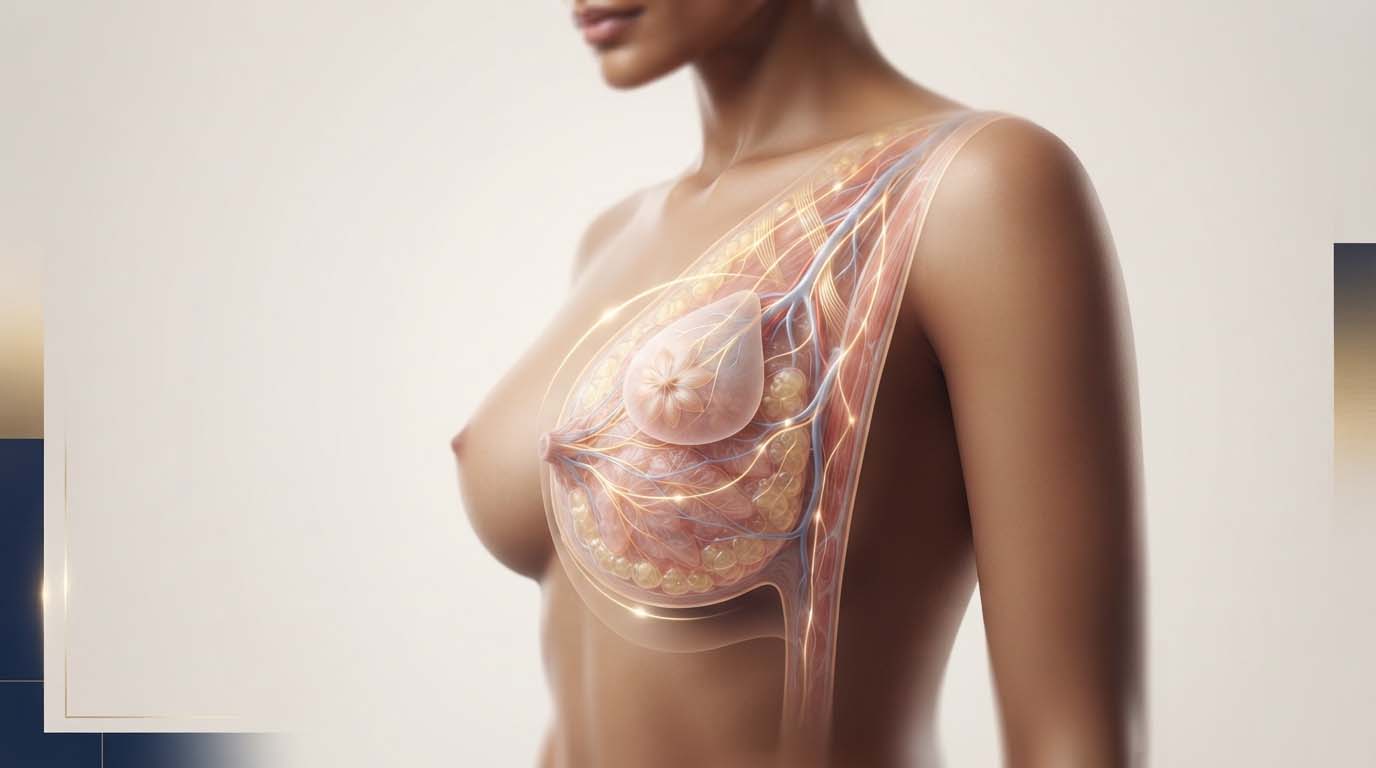
Understanding Breast Anatomy
Successful mastopexy requires a comprehensive understanding of breast anatomy and the supporting structures responsible for maintaining breast shape.
Breast Gland
The glandular tissue provides breast volume and is carefully preserved whenever possible.
Fatty Tissue
Fat contributes significantly to breast softness and overall contour.
Skin Envelope
The skin supports the breast externally.
Loss of elasticity allows the breast tissue to descend.
Cooper's Ligaments
These connective tissue structures provide internal support to the breast.
As they weaken over time, breast sagging becomes more pronounced.
Nipple-Areola Complex
The nipple and surrounding areola are carefully repositioned while preserving blood supply and sensation.
Chest Muscles
The pectoralis major muscle supports the chest wall but is not directly responsible for maintaining breast position.
Understanding the relationship between these structures allows surgeons to reshape the breasts while preserving normal function and natural appearance.
How Does a Breast Lift Improve Breast Appearance?
A breast lift restores youthful breast shape by repositioning the breast tissue rather than simply tightening loose skin.
The procedure may provide several improvements.
Higher Breast Position
The breasts are elevated to a more youthful location on the chest.
Improved Breast Firmness
Internal reshaping creates better breast projection and support.
Better Upper Pole Contour
The upper portion of the breasts often appears fuller after tissue repositioning.
Repositioned Nipples
The nipples are moved to a more youthful, forward-facing position while maintaining natural proportions.
Improved Breast Symmetry
Differences in breast position and shape may be corrected where appropriate.
More Balanced Body Proportions
Restoring youthful breast contours often improves the relationship between the breasts, waist, and hips.
The objective is natural breast rejuvenation that complements the patient's individual anatomy rather than creating an artificial appearance.
Who Is a Good Candidate for Breast Lift Surgery?
Breast lift surgery may be appropriate for women who are satisfied with their breast volume but wish to improve breast position and firmness.
You may be a suitable candidate if you:
Have sagging breasts.
Notice downward-pointing nipples.
Have stretched breast skin.
Have experienced breast changes following pregnancy or breastfeeding.
Have lost significant weight.
Are in good general health.
Do not smoke or are willing to stop during recovery.
Have realistic expectations regarding surgical outcomes.
A comprehensive consultation helps determine whether a breast lift alone or a breast lift combined with augmentation would provide the most appropriate result.
What Concerns Can a Breast Lift Address?
Breast lift surgery may improve several cosmetic concerns.
Breast Ptosis
Elevates breasts that have descended due to ageing, pregnancy, or weight changes.
Downward-Pointing Nipples
Restores the nipples to a more youthful position.
Loss of Breast Shape
Improves flattened or elongated breast contours.
Enlarged Areolas
May reduce enlarged areolas while improving overall breast proportions.
Breast Asymmetry
Improves differences in breast position, shape, and nipple height.
Loss of Upper Pole Fullness
Repositions existing breast tissue to improve upper breast contour without necessarily increasing breast volume.
Personalized Breast Lift Planning
Every woman's breasts age differently, making individualized surgical planning essential. Factors such as breast volume, degree of ptosis, nipple position, skin elasticity, breast base width, tissue quality, chest wall anatomy, previous pregnancies, and future pregnancy plans all influence the most appropriate treatment approach. Simply removing excess skin is rarely sufficient to achieve durable, natural-looking results.
At Hair & Shape Clinic, every patient undergoes a comprehensive breast assessment before surgery is recommended. The degree of breast sagging, nipple position, breast symmetry, skin quality, and overall body proportions are carefully evaluated to determine the most appropriate mastopexy technique. When additional volume restoration is desired, breast lift surgery may be combined with breast augmentation to achieve optimal shape, fullness, and long-term support.
The objective is to restore youthful breast contours that appear balanced, natural, and proportionate while preserving nipple sensation, breast function, and long-term aesthetic harmony.
What Happens During Breast Lift Surgery?
Breast lift surgery is performed in an accredited operating facility under carefully controlled sterile conditions. Depending on the degree of breast ptosis and whether additional procedures such as breast augmentation or breast reduction are performed simultaneously, the surgery generally takes between two and four hours.
Every mastopexy is customized according to the patient's breast anatomy, skin quality, tissue characteristics, and desired outcome.
A typical breast lift procedure includes the following stages.
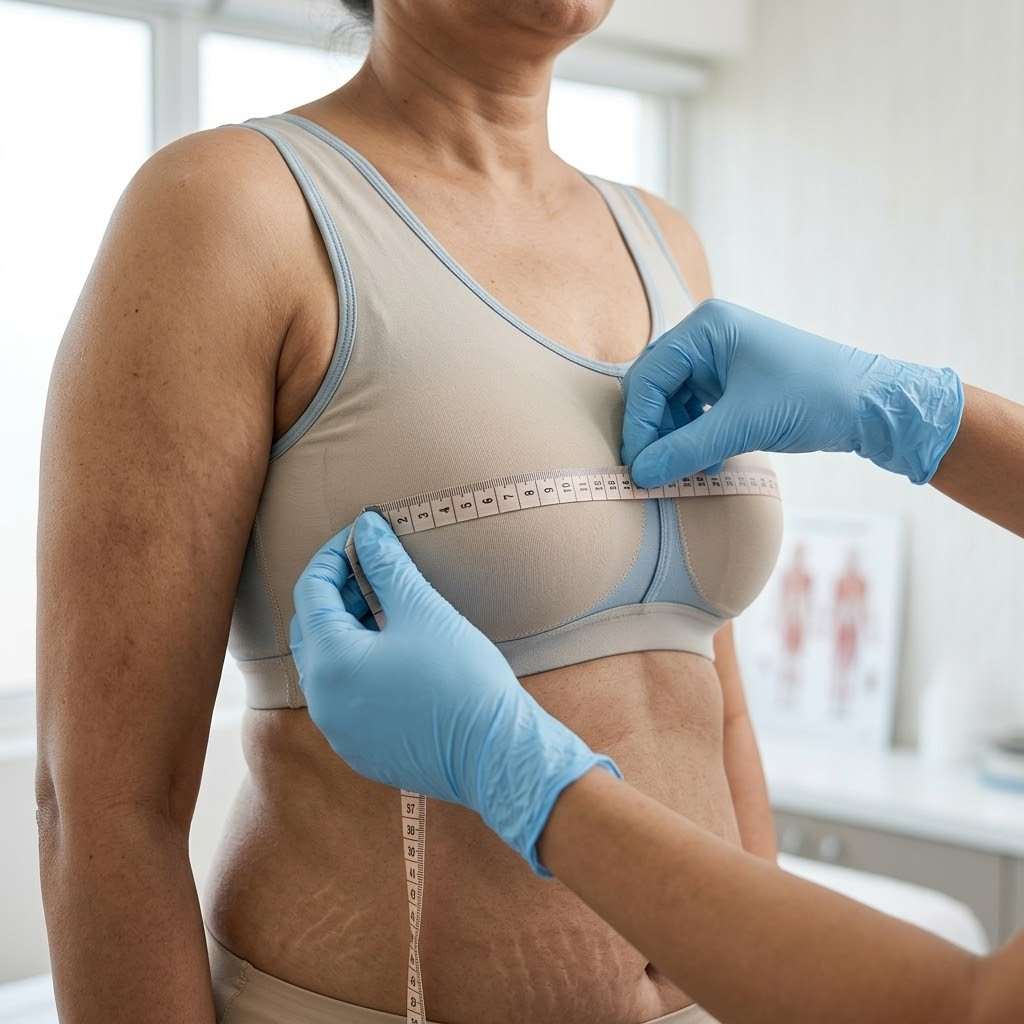
Step 1: Preoperative Planning
Before surgery begins, your surgeon carefully reviews the individualized treatment plan developed during consultation.
This includes:
Breast measurements.
Degree of breast ptosis assessment.
Nipple position analysis.
Breast symmetry evaluation.
Skin elasticity assessment.
Breast tissue volume analysis.
Surgical markings.
Review of aesthetic goals.
The objective is to restore youthful breast position while preserving natural breast proportions and nipple viability.
Step 2: Anaesthesia
Breast lift surgery is typically performed under general anaesthesia.
Throughout the procedure, your vital signs are continuously monitored to ensure safety.
Step 3: Surgical Incisions
The incision pattern depends on the amount of breast sagging and the surgical technique selected.
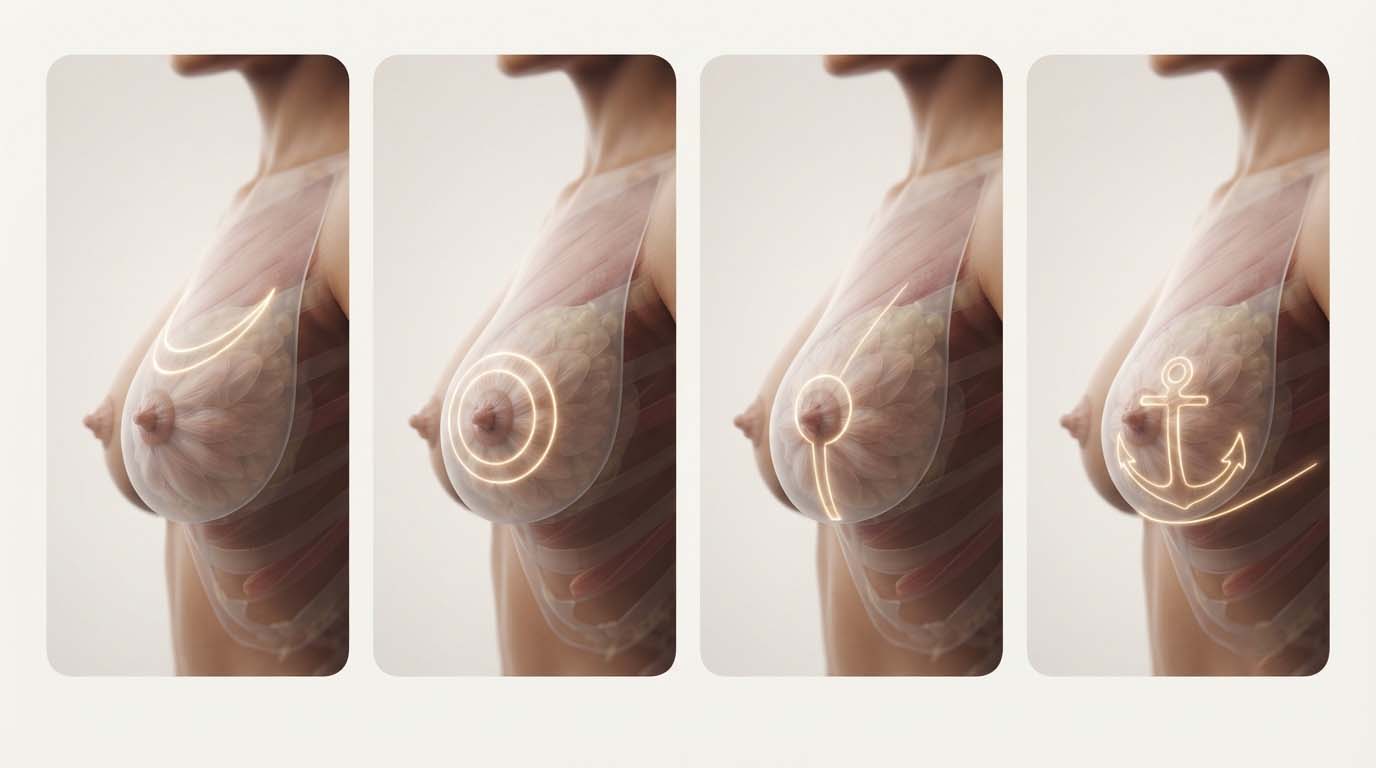
Common incision patterns include:
Around the areola (periareolar).
Around the areola with a vertical incision (vertical or lollipop lift).
Around the areola, vertical incision, and breast crease (anchor or inverted-T lift).
The chosen approach provides adequate access while allowing the breasts to be reshaped effectively.
Step 4: Breast Tissue Reshaping
The breast tissue is carefully elevated and reshaped to restore youthful projection and firmness.
Rather than relying only on skin tightening, modern mastopexy techniques focus on reorganizing the internal breast tissue to provide improved structural support.
Depending on the patient's anatomy, the surgeon may:
Reposition breast tissue.
Improve upper pole fullness.
Remove excess skin.
Improve breast symmetry.
Restore breast projection.
Step 5: Nipple-Areola Repositioning
The nipple-areola complex is elevated to a more youthful anatomical position.
If necessary, enlarged areolas may also be reduced in diameter to create balanced breast proportions.
Every effort is made to preserve blood supply, sensation, and nipple viability.
Step 6: Closure
The incisions are closed in multiple layers using fine sutures to support healing and reduce tension on the skin.
Dressings and a supportive surgical bra are applied before recovery begins.
Types of Breast Lift Surgery
Several mastopexy techniques are available depending on the degree of breast sagging and the patient's treatment goals.
Crescent Breast Lift
A small crescent-shaped section of skin is removed above the areola.
This technique is generally suitable for very mild breast ptosis and is often combined with breast augmentation.
Periareolar Breast Lift
Also known as the donut lift, this technique uses an incision around the areola.
It is appropriate for selected patients with mild breast sagging.
Vertical Breast Lift
Commonly called the lollipop lift, this technique combines a circular incision around the areola with a vertical incision extending to the breast crease.
It provides greater reshaping for moderate breast ptosis.
Anchor Breast Lift
The anchor or inverted-T lift includes an additional incision along the breast crease.
This approach provides the greatest degree of reshaping and is commonly used for significant breast ptosis.
Breast Lift with Implants
Patients seeking both improved breast position and increased volume may benefit from combining mastopexy with breast augmentation.
What Results Can You Expect After Breast Lift Surgery?
Breast lift surgery produces immediate structural improvements, although the final breast shape develops gradually as swelling resolves and the tissues settle.
Patients commonly notice:
Higher Breast Position
The breasts sit at a more youthful level on the chest.
Firmer Breast Contours
Internal reshaping creates improved breast support and projection.
Better Upper Pole Fullness
The upper portion of the breasts appears more youthful due to tissue repositioning.
Improved Nipple Position
The nipples face forward and sit in a more balanced anatomical position.
Better Breast Symmetry
Differences in breast height, contour, and nipple position become less noticeable.
More Youthful Breast Shape
The breasts appear firmer, rounder, and more proportionate while maintaining a natural appearance.
Although ageing continues naturally, the structural improvements achieved through mastopexy are generally long-lasting.
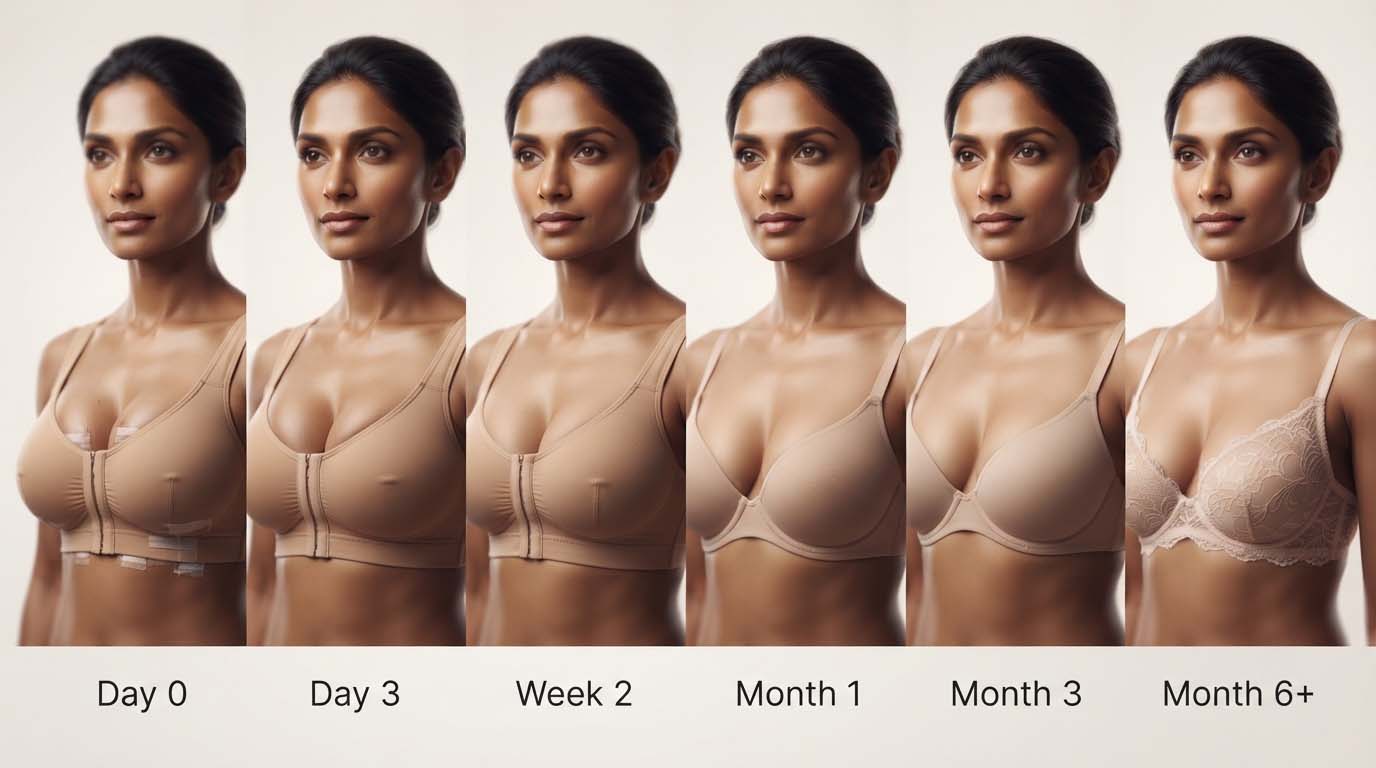
What Is Recovery Like After Breast Lift Surgery?
Recovery varies depending on the surgical technique used and whether additional procedures are performed simultaneously.
Healing generally progresses through several stages.
Immediately After Surgery
You may experience:
Swelling.
Mild bruising.
Breast tightness.
Temporary discomfort.
Mild fatigue.
These symptoms are expected and gradually improve.
First Week
A supportive surgical bra is typically worn continuously.
Patients are encouraged to perform gentle walking while avoiding heavy lifting and strenuous physical activity.
Two to Six Weeks
Swelling progressively decreases.
Most patients gradually return to work, driving, and normal daily activities according to their surgeon's recommendations.
Exercise is resumed gradually as healing progresses.
Several Months
Residual swelling resolves.
Scars continue to mature and soften.
The breasts gradually settle into their final shape and position.
Long-Term Healing
Final breast contour develops over several months as the tissues fully adapt and healing is completed.
Are There Any Risks or Limitations?
Breast lift surgery is generally considered safe when performed by an experienced plastic surgeon, but every surgical procedure carries potential risks.
Possible complications include:
Bleeding.
Infection.
Swelling.
Bruising.
Delayed wound healing.
Changes in nipple sensation.
Scar formation.
Minor breast asymmetry.
Fluid accumulation.
Partial loss of nipple sensation in rare cases.
Need for revision surgery.
It is also important to understand the limitations of surgery.
A breast lift restores breast position but does not permanently prevent future changes related to ageing, pregnancy, weight fluctuations, or gravity.
Maintaining a stable body weight and wearing appropriate breast support may help preserve long-term results.
How Much Does Breast Lift Surgery Cost in Mumbai?
The cost of breast lift surgery varies according to the degree of breast ptosis, the surgical technique selected, and whether additional procedures such as breast augmentation are performed simultaneously.
Factors influencing treatment cost include:
Type of mastopexy.
Degree of breast sagging.
Combined breast augmentation.
Areolar reduction.
Anaesthesia.
Operating facility charges.
Postoperative care.
Following a comprehensive consultation, your surgeon will provide a personalized treatment plan outlining the recommended procedure, anticipated recovery, expected outcomes, and associated costs.
Why Choose Hair & Shape for Breast Lift Surgery?
Successful mastopexy requires more than removing excess skin. It demands a detailed understanding of breast anatomy, tissue support, skin biomechanics, and long-term breast aesthetics. Modern breast lift surgery focuses on reshaping the internal breast tissue to achieve durable support while maintaining natural breast contours and preserving nipple function.
At Hair & Shape Clinic, every patient undergoes a comprehensive breast assessment before surgery is recommended. Breast volume, degree of ptosis, skin elasticity, nipple position, chest wall anatomy, breast symmetry, and long-term treatment goals are carefully evaluated to develop an individualized surgical plan. The emphasis is on creating youthful, naturally lifted breasts that complement the patient's body while maintaining long-term structural stability and aesthetic harmony.
Why Does Personalized Breast Lift Planning Matter?
Every woman's breasts age differently, making individualized planning essential for achieving natural and durable results.
Every Degree of Breast Ptosis Requires a Different Technique
Mild breast sagging may require a less extensive lift, while more advanced ptosis often benefits from vertical or anchor mastopexy techniques.
Internal Tissue Support Influences Long-Term Results
Modern mastopexy reshapes the internal breast tissue rather than relying solely on skin tightening, helping maintain breast projection over time.
Nipple Position Must Be Carefully Planned
The nipple-areola complex is repositioned to achieve natural breast proportions while preserving circulation and sensation.
Breast Volume and Shape Should Be Evaluated Together
Some patients achieve their goals with a breast lift alone, while others benefit from combining mastopexy with breast augmentation to restore lost volume.
Long-Term Breast Harmony Is the Priority
The objective is to create breasts that remain balanced, youthful, and proportionate while respecting each patient's unique anatomy and lifestyle.
International Patients Seeking Breast Lift Surgery in Mumbai
Hair & Shape Clinic welcomes patients from across India and internationally seeking advanced breast rejuvenation procedures.
Our international patient pathway is designed to simplify consultation, travel planning, surgery, and postoperative care.
Before You Travel
Virtual consultations, breast photographs, medical history review, and discussion of your aesthetic goals help determine the most appropriate surgical plan before your visit.
During Your Stay
Your treatment includes consultation, personalized surgical planning, breast lift surgery, postoperative monitoring, supportive garment guidance, and detailed recovery instructions before returning home.
Returning Home
Follow-up consultations can often be coordinated remotely. Continued guidance regarding scar care, activity restrictions, supportive garments, healing milestones, and long-term breast care helps support the best possible outcome wherever you live.
What to Expect
Consultation
A detailed assessment of your goals, suitability, and a personalised plan.
Preparation
Clear pre-treatment guidance so you arrive fully prepared and at ease.
The Procedure
Your treatment, performed by our specialists with comfort and safety first.
Aftercare
Structured recovery support and follow-ups to protect your results.
Frequently Asked Questions
Everything you need to know about Breast Lift (Mastopexy). Still curious? Our team is one message away.
Yes. Many patients combine breast lift surgery with breast augmentation, breast reduction, or Mommy Makeover procedures depending on their anatomy and goals.
Results are generally long-lasting. However, natural ageing, pregnancy, significant weight fluctuations, and lifestyle factors continue influencing breast tissue over time.
Every surgical procedure results in scars. Incisions are carefully planned to achieve the required lift while allowing scars to mature and soften progressively over time.
Future breastfeeding depends on several individual factors, including surgical technique and breast anatomy. This is discussed in detail during your consultation.
No. A breast lift restores breast position and shape. Patients seeking additional volume may discuss combining the procedure with implants or fat transfer where appropriate.
Breast lift surgery (Mastopexy) is a procedure designed to reposition and reshape the breasts by restoring a more youthful contour without necessarily increasing breast size.
Begin Your Breast Lift (Mastopexy) Journey
Book a consultation today and let our specialists craft a plan built entirely around you.