Fat Transplant In Mumbai
Transfer your own fat to restore lost volume and rejuvenate facial contours.
Introduction
Fat Transplant, also known as fat grafting or autologous fat transfer, uses a person’s own fat to restore volume, improve contour, or correct areas that appear hollow or uneven. The fat is usually collected from areas such as the abdomen or thighs using liposuction, processed, and then carefully injected into the area being treated.
Fat transfer can be used in several areas, including the face, breasts, buttocks, hips, and selected contour irregularities, and it also has reconstructive applications. Because the transferred material comes from the patient’s own body, the procedure avoids the use of a synthetic filler or implant in the treated area.
One important aspect of the procedure is that not every transferred fat cell survives permanently, so the technique used for harvesting, processing, and placing the fat can influence the final volume and outcome.
At Hair & Shape Clinic in Mumbai, fat transfer forms part of the clinic’s broader plastic surgery and body-contouring approach, where procedures are planned according to individual anatomy and treatment goals.
Dr. Umang Kothari, Founder and Director of Hair & Shape Clinic, has extensive experience in aesthetic and reconstructive surgery and considers both the donor area and the area receiving the fat while planning the procedure.
The aim of fat transplantation is to achieve natural volume restoration and improved proportions while using the patient’s own tissue as the source of augmentation.
What Is Fat Transfer?
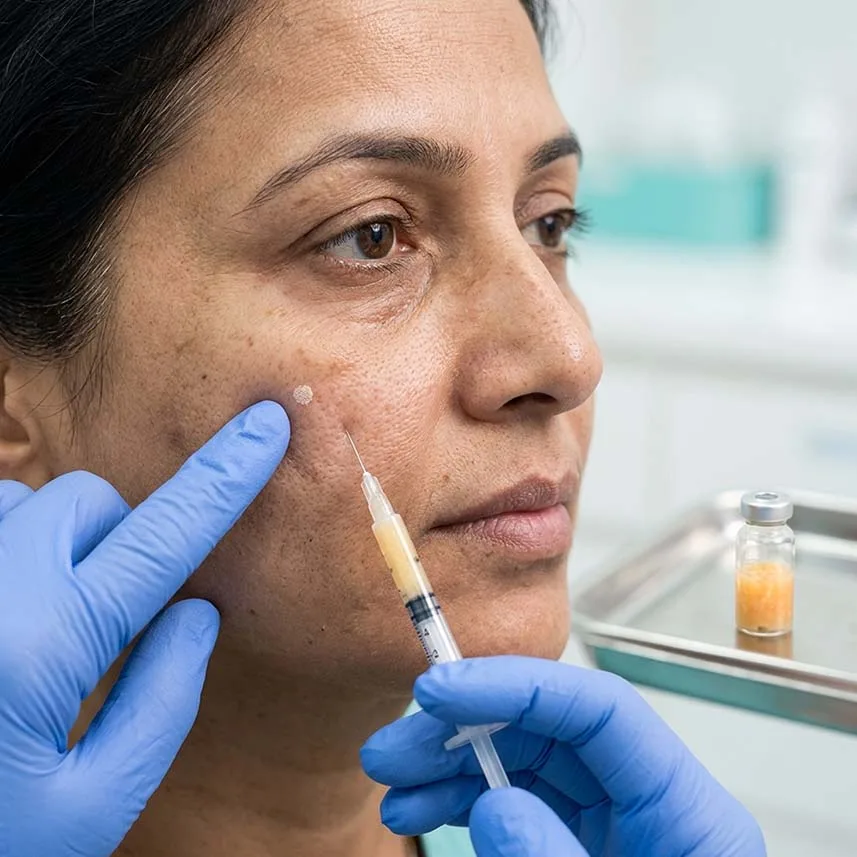
Fat transfer, also known as fat grafting or autologous fat transplantation, is a surgical procedure that removes healthy fat from one area of the body and transfers it to another area requiring additional volume or contour enhancement.
The procedure generally involves three essential stages:
Harvesting healthy fat cells from a donor area
Processing and purifying the harvested fat
Carefully injecting the purified fat into the treatment area
Because the transferred tissue consists of the patient's own living fat cells, the procedure offers natural volume restoration without introducing synthetic materials.
How Does Fat Transfer Work?
Fat transfer relies on the ability of living fat cells to establish a new blood supply after transplantation.
Once carefully injected into healthy tissue:
The grafted fat receives nutrients from surrounding tissues.
New microscopic blood vessels begin developing.
Surviving fat cells gradually integrate into the treatment area.
The transplanted tissue becomes part of the body's natural anatomy.
Long-term results depend on careful harvesting, gentle handling of the fat, precise placement, adequate blood supply, and individual healing characteristics.
Why Do We Lose Facial Volume?
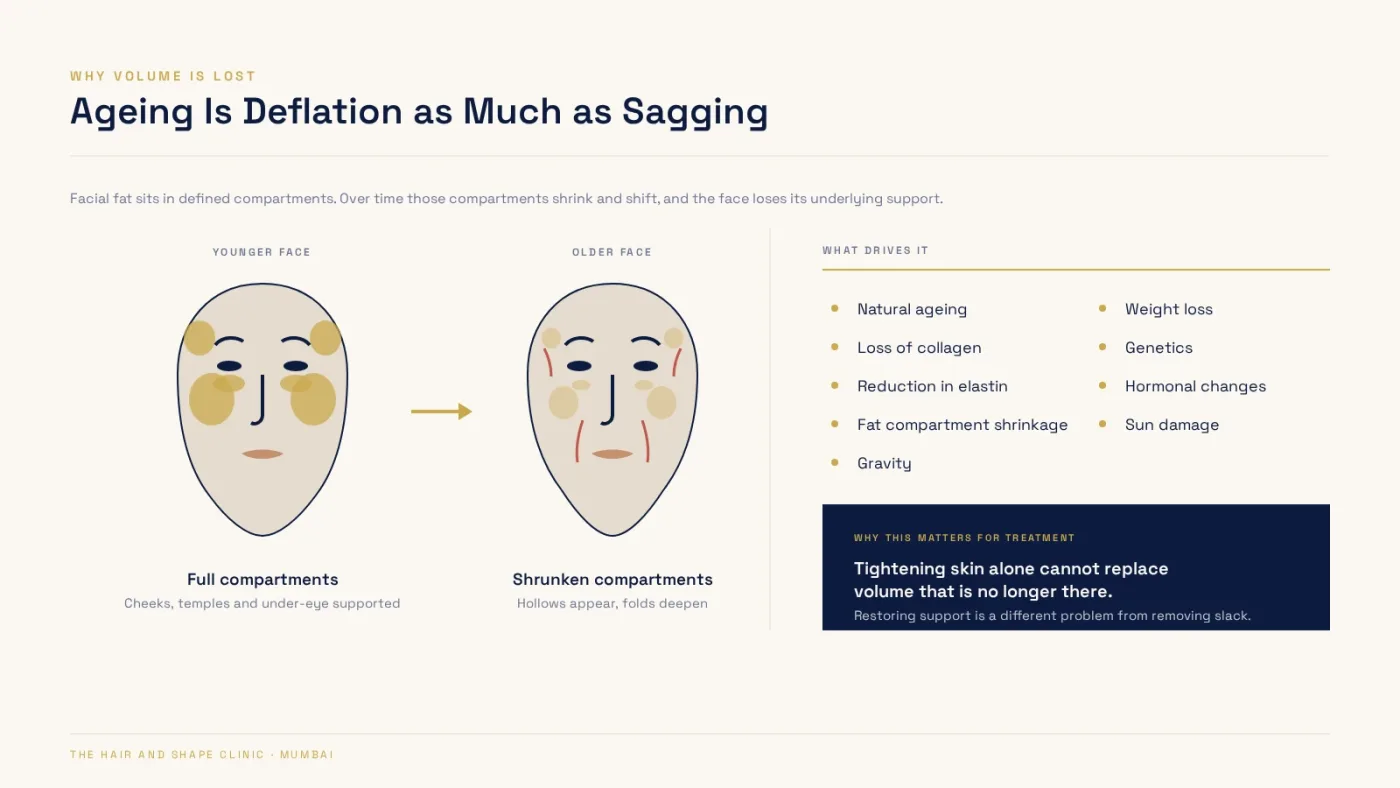
Facial ageing involves much more than wrinkles and loose skin.
One of the most significant age-related changes is the gradual reduction and redistribution of facial fat.
Contributing factors include:
Natural ageing
Loss of collagen
Reduction in elastin
Fat compartment shrinkage
Gravity
Weight loss
Genetics
Hormonal changes
Sun damage
As facial support structures change over time, hollow areas become more noticeable and facial contours may appear less youthful.
Common Areas Treated With Fat Transfer
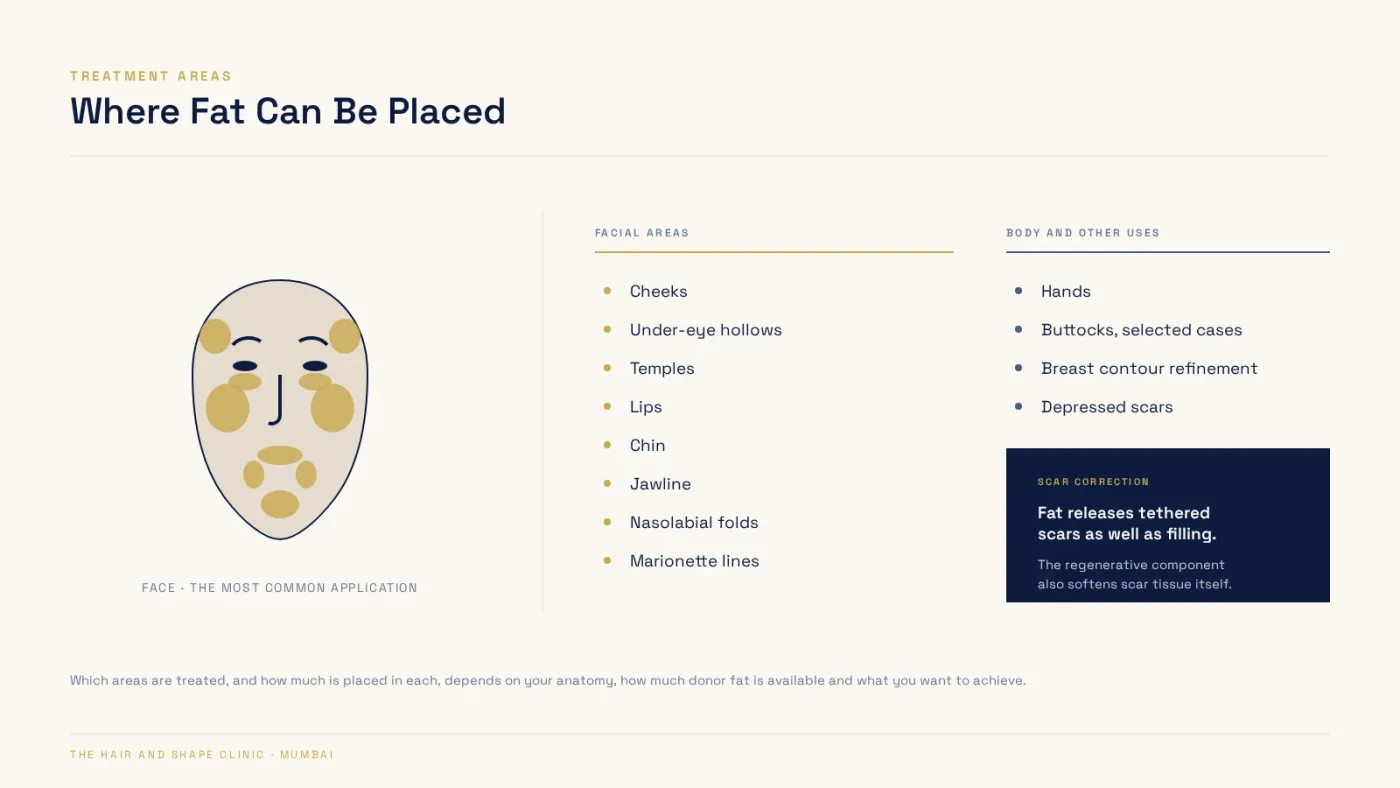
Fat transfer can restore volume to several areas of the face and body.
Common treatment areas include:
Cheeks
Under-eye hollows
Temples
Lips
Chin
Jawline
Nasolabial folds
Marionette lines
Hands
Buttocks in selected cases
Breast contour enhancement in appropriate candidates
Scar correction in selected situations
Treatment planning depends on each patient's anatomy and desired outcome.
Understanding Fat Anatomy
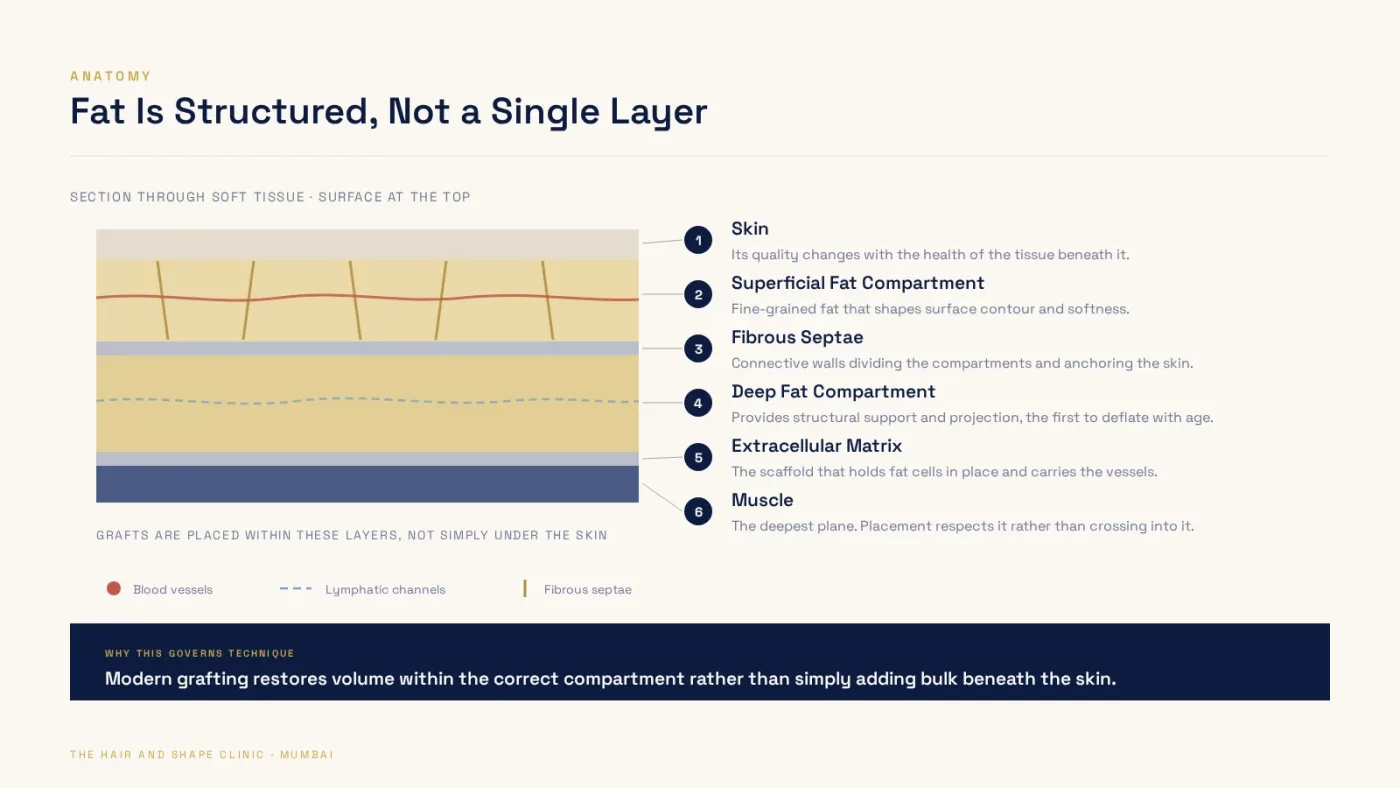
Fat is not simply a layer beneath the skin.
It is organised into specialised compartments that contribute to facial support, contour, and soft tissue balance.
Important anatomical structures include:
Superficial fat compartments
Deep fat compartments
Fibrous connective tissue
Blood vessels
Lymphatic channels
Extracellular matrix
Adipose-derived stem cells
Modern fat grafting focuses on restoring volume within the appropriate anatomical layers rather than simply adding bulk.
The Regenerative Potential Of Fat
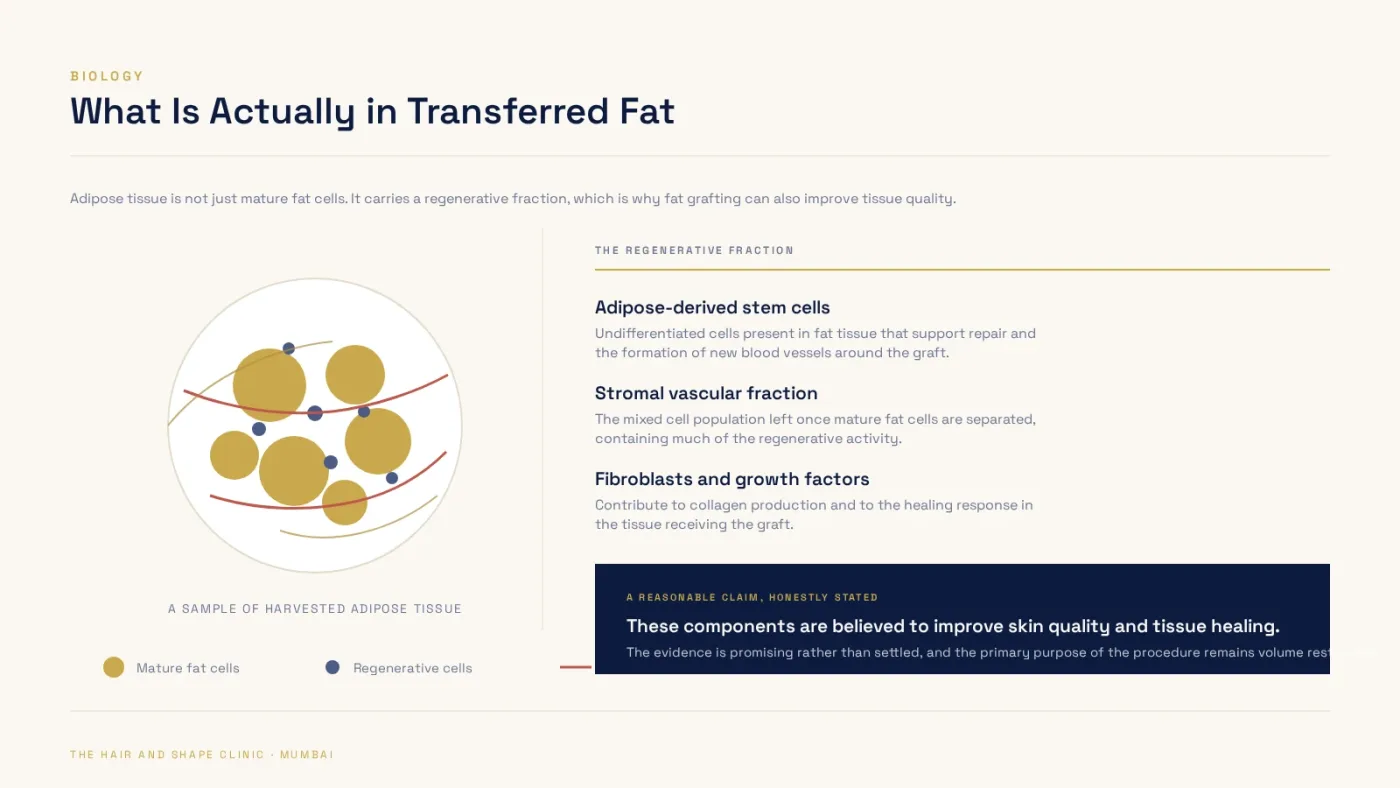
Adipose tissue contains more than mature fat cells.
It also contains regenerative cells that contribute to tissue health.
These include:
Adipose-derived stem cells
Stromal vascular fraction
Fibroblasts
Growth factors
Supportive connective tissue cells
These biological components are believed to contribute to improved skin quality, enhanced tissue healing, and healthier soft tissue following successful fat grafting.
Who Can Benefit From Fat Transfer?
Fat transfer may be appropriate for individuals seeking natural volume restoration while maintaining realistic expectations.
Suitable candidates commonly include patients with:
Age-related facial volume loss
Hollow cheeks
Sunken temples
Under-eye hollowness
Thin lips
Facial asymmetry
Depressed scars
Ageing hands
Soft tissue contour deficiencies
Every patient undergoes a personalised consultation to determine whether fat transfer is the most appropriate treatment.
Who May Not Be An Ideal Candidate?
Although fat transfer is suitable for many individuals, it may not be recommended in every situation.
Alternative treatment options may be considered when:
Insufficient donor fat is available.
Active infection is present.
Certain uncontrolled medical conditions exist.
Smoking may significantly impair healing.
Expectations are unrealistic.
A different procedure is more appropriate for the desired outcome.
A thorough evaluation helps identify the safest and most effective treatment approach.
Donor Areas For Fat Harvesting
Healthy fat can be obtained from several areas of the body.
Common donor sites include:
Abdomen
Flanks
Thighs
Hips
Lower back
Inner thighs
The donor area is selected according to fat availability, body proportions, and overall surgical planning.
Fat Harvesting Techniques
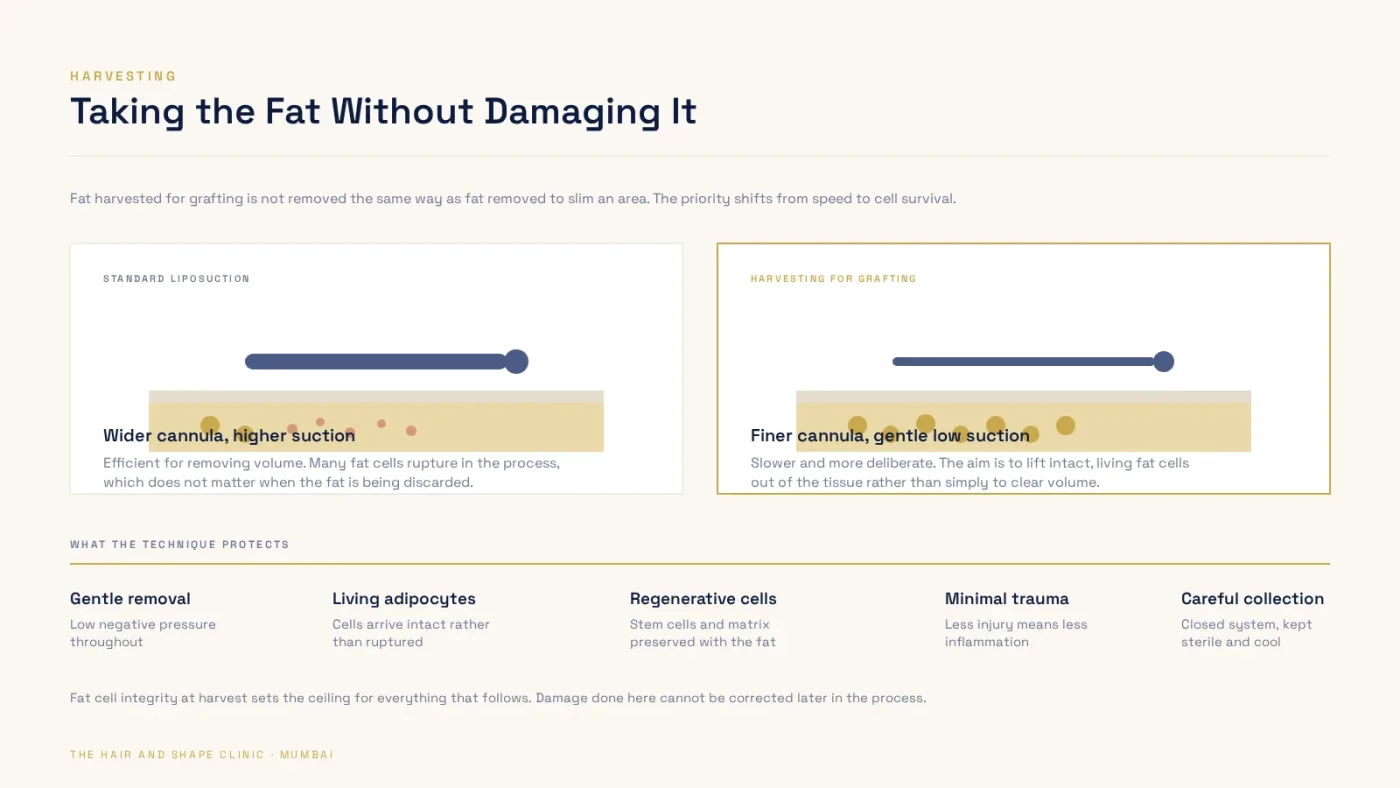
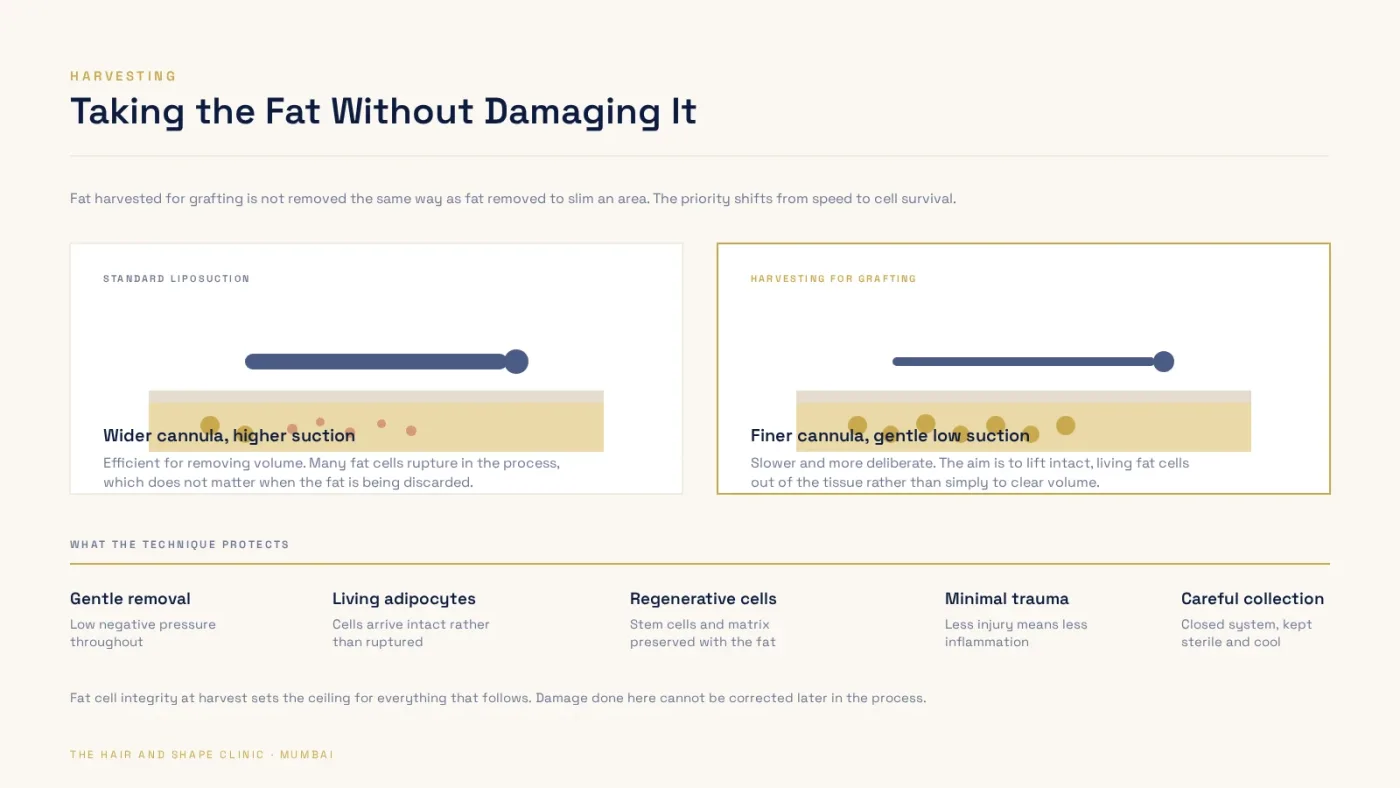
The quality of harvested fat plays an important role in graft survival.
Modern harvesting techniques are designed to minimise trauma to living fat cells while preserving their viability.
The procedure focuses on:
Gentle fat removal
Preservation of living adipocytes
Protection of regenerative cells
Minimal tissue trauma
Careful collection techniques
Maintaining healthy fat cell integrity increases the likelihood of successful long-term graft survival.
How Is Fat Transfer Performed?
The exact technique is customised according to the treatment area, the volume required, donor fat availability, and the patient's anatomy.
Although every procedure is individualised, fat transfer generally consists of three carefully planned stages:
Harvesting healthy fat
Processing and purifying the fat
Precise reinjection into the treatment area
Each step is performed with the goal of preserving living fat cells, encouraging long-term graft survival, and achieving smooth, natural contours.
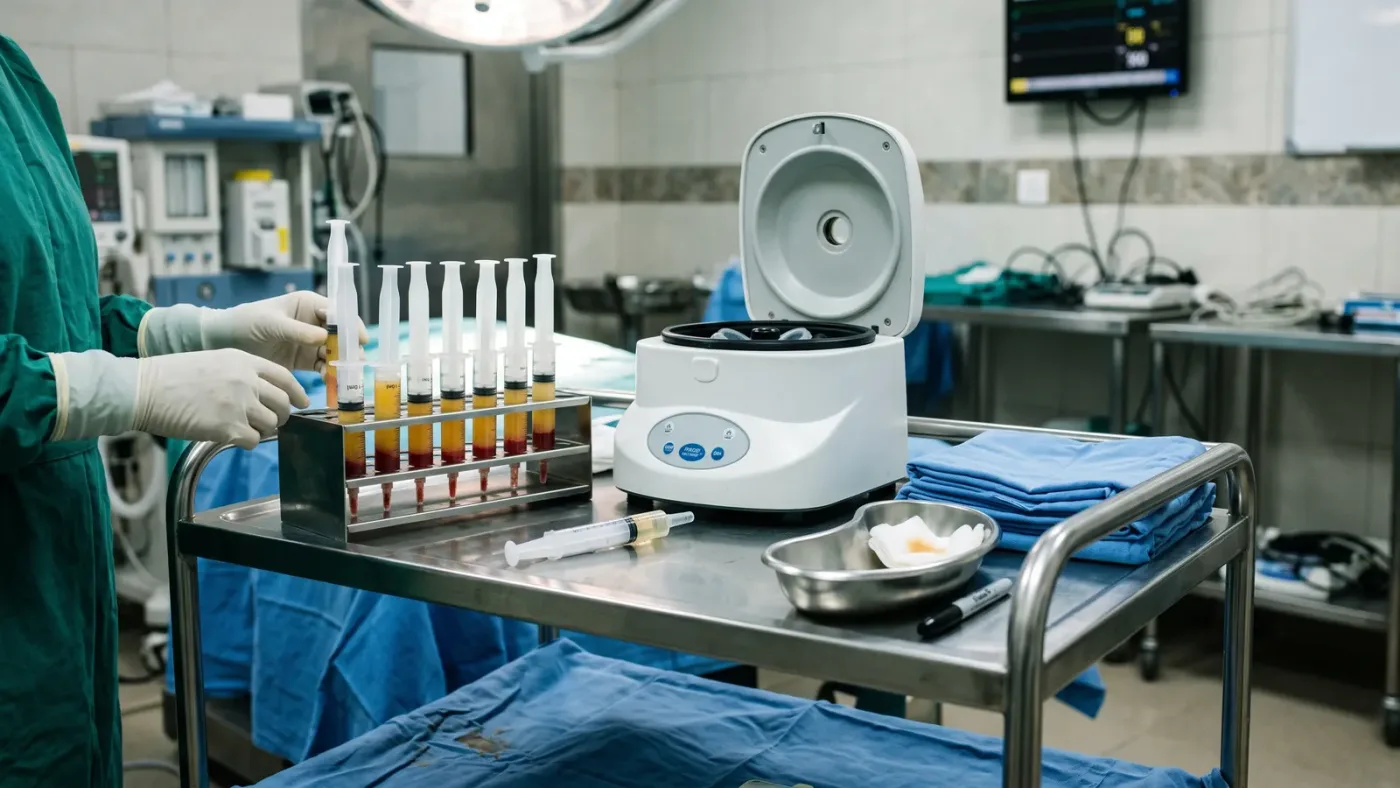
Fat Processing And Purification
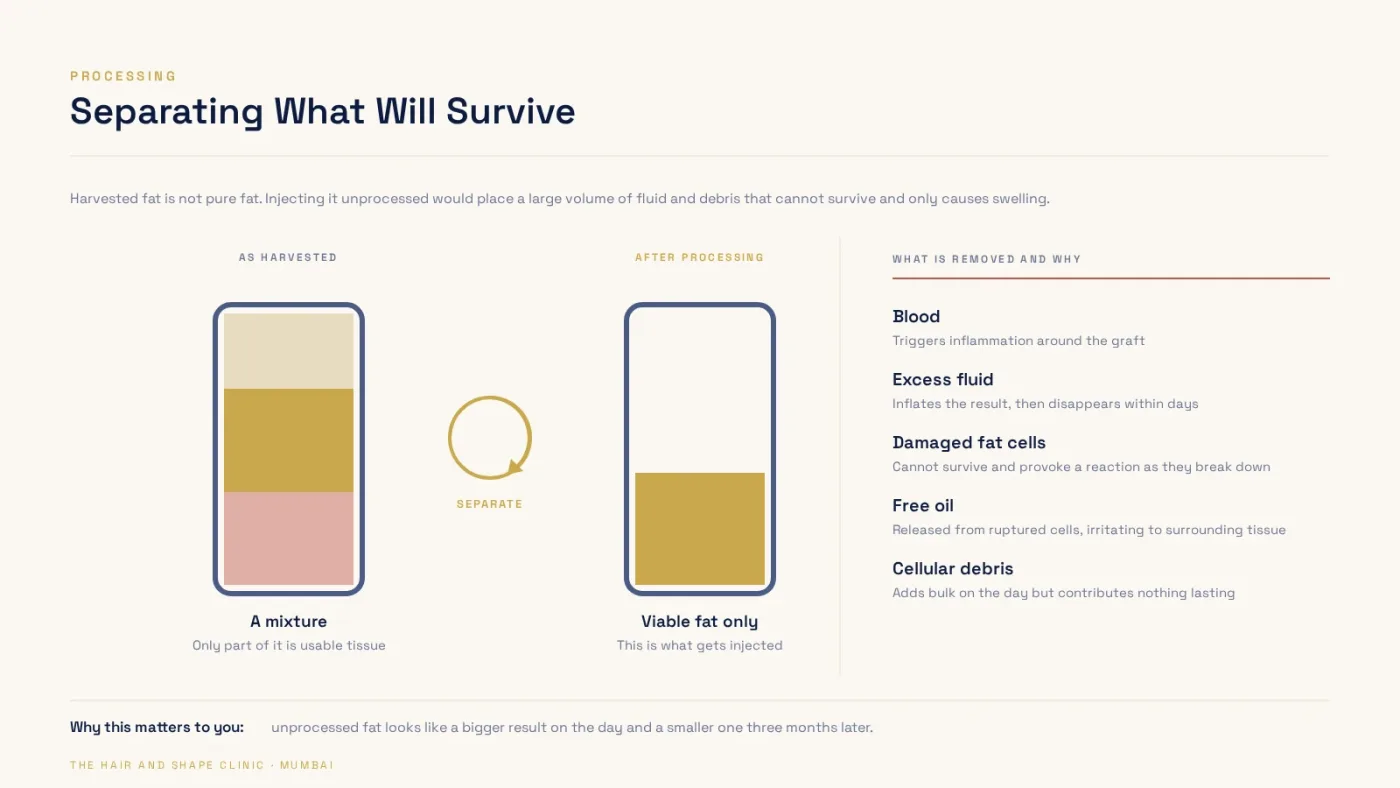
After harvesting, the collected fat is carefully processed before transplantation.
The purpose of purification is to separate healthy fat cells from unwanted components such as:
Blood
Excess fluid
Damaged fat cells
Oil released from injured adipocytes
Cellular debris
Only healthy, viable fat is selected for transplantation to maximise the chances of successful integration and long-lasting results.
Precision Fat Placement
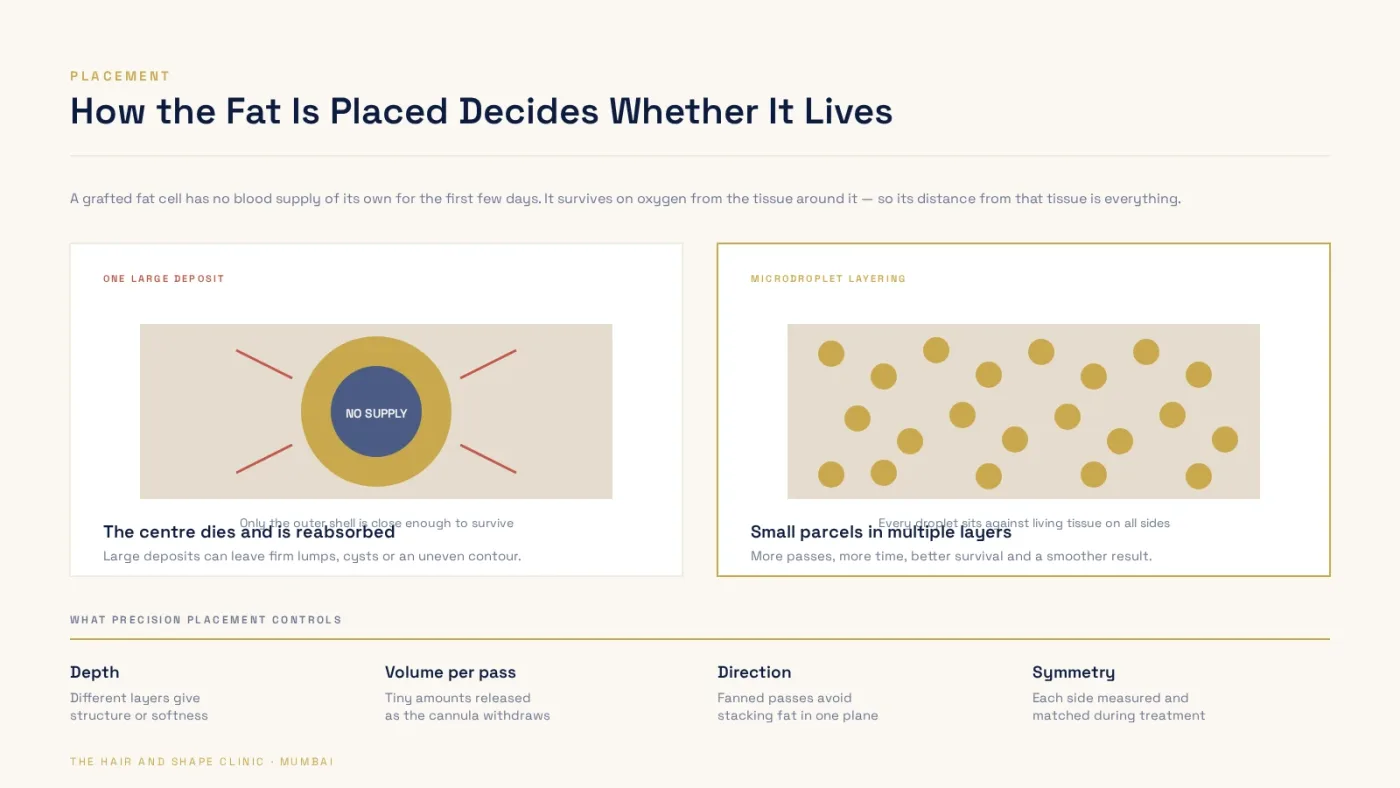
One of the most important aspects of successful fat transfer is the placement technique.
Rather than injecting large amounts of fat into a single location, purified fat is strategically placed in multiple tiny layers throughout the treatment area.
This approach helps:
Improve blood supply
Increase graft survival
Create smooth contours
Reduce irregularities
Achieve natural-looking volume
Precise anatomical placement also helps preserve facial expressions and overall harmony.
Recovery After Fat Transfer
Recovery depends on the amount of fat transferred, the donor site, and the treatment area.
Patients commonly experience temporary:
Swelling
Bruising
Mild soreness
Tightness
Temporary numbness
These changes gradually improve over the following days and weeks.
Patients receive personalised postoperative instructions regarding activity restrictions, sleeping position, wound care, medications, and follow-up visits to support optimal healing.
Fat Transfer Recovery Timeline

Healing occurs in several stages as the transplanted fat establishes its blood supply and integrates with surrounding tissues.
First Week
Swelling and bruising are usually most noticeable.
Mild discomfort at both donor and recipient sites is common.
Early healing begins.
Two To Four Weeks
Most bruising subsides.
Swelling continues improving, and the treated areas begin appearing more natural.
Daily activities can often be resumed according to the surgeon's recommendations.
One To Three Months
The transferred fat continues integrating with surrounding tissues.
Early contour refinement becomes increasingly visible as residual swelling resolves.
Three To Six Months
Fat graft survival stabilises.
The long-term volume and contour become more predictable while tissues continue maturing.
How Much Of The Transferred Fat Survives?
Not every transferred fat cell survives after transplantation.
A portion of the graft naturally undergoes resorption during the healing process before a new blood supply is fully established.
The percentage of surviving fat varies depending on factors such as:
Individual healing
Blood supply
Smoking status
Surgical technique
Treatment area
Overall health
Careful harvesting, gentle handling, meticulous placement, and appropriate postoperative care help maximise long-term graft retention.
Benefits Of Fat Transfer
Fat transfer offers several advantages for patients seeking natural volume restoration.
Potential benefits include:
Natural-looking enhancement
Use of the patient's own tissue
Restoration of facial volume
Improved body contours
Softer, more youthful appearance
Long-lasting results in surviving grafts
Improved tissue quality
Minimal risk of allergic reaction
Simultaneous contouring of donor areas
Individual outcomes depend on anatomy, healing, and long-term graft survival.
Is Fat Transfer Safe?
When performed by a qualified plastic surgeon, fat transfer is generally considered a safe procedure for appropriately selected patients.
As with any surgical procedure, potential risks and complications may include:
Swelling
Bruising
Temporary numbness
Infection
Bleeding
Fat resorption
Contour irregularities
Asymmetry
Fat necrosis in uncommon situations
Need for additional treatment if further volume is desired
Careful patient selection, precise surgical technique, and adherence to postoperative instructions help minimise these risks.
Why Choose Hair & Shape For Fat Transfer In Mumbai?
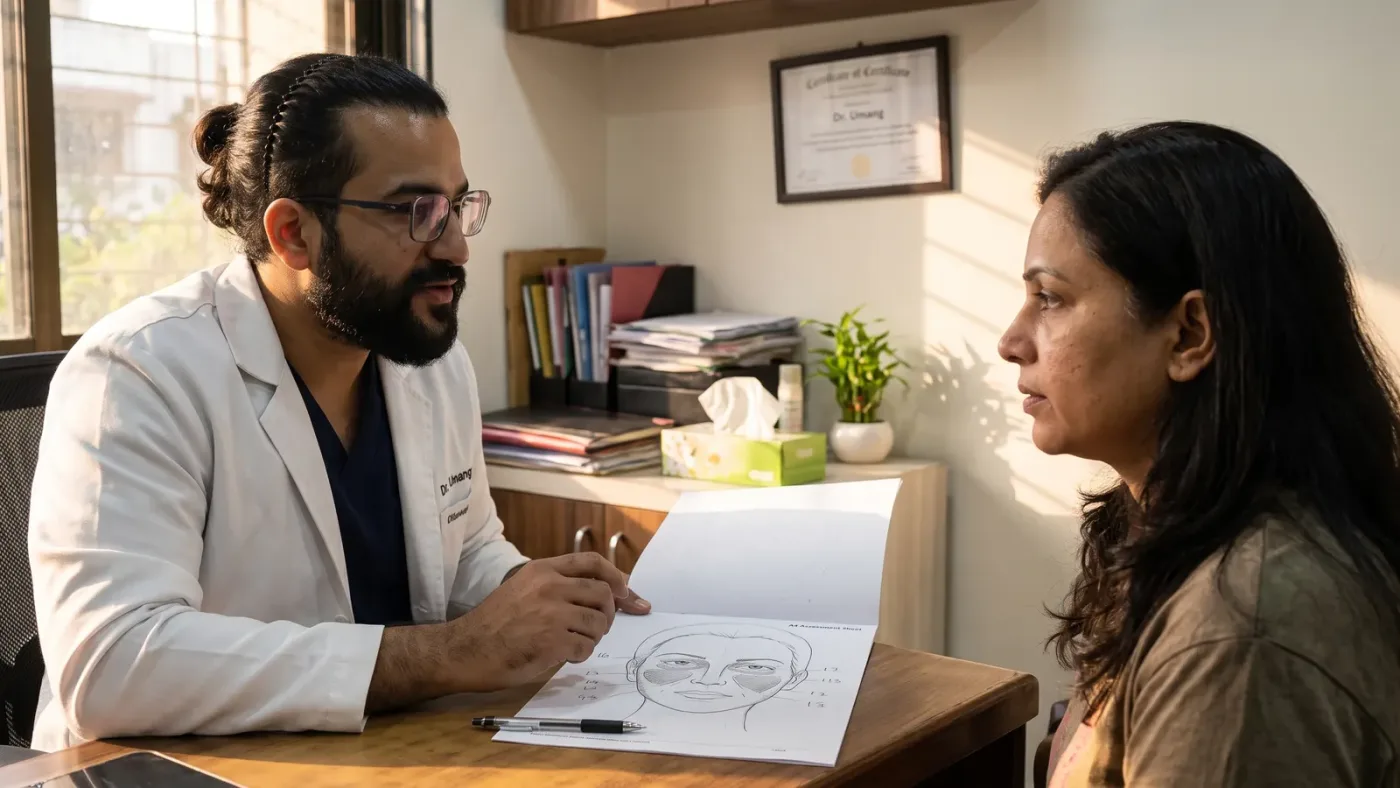
At Hair & Shape Clinic, fat transfer is planned with a strong focus on facial anatomy, tissue biology, and long-term aesthetic balance rather than simply restoring lost volume. Every treatment begins with a comprehensive evaluation of facial proportions, donor fat availability, skin quality, and the specific characteristics of the treatment area to create results that appear naturally refreshed and harmonious.
Dr. Umang Kothari utilises meticulous harvesting, purification, and graft placement techniques designed to preserve healthy fat cells and maximise graft survival. Whether the goal is facial rejuvenation, contour enhancement, scar improvement, or restoration following age-related volume loss, every procedure is customised to achieve elegant, natural-looking outcomes with lasting structural support.
Final Thoughts
Fat transfer offers a natural and versatile solution for restoring lost volume, enhancing facial and body contours, and improving soft tissue quality using the body's own living fat cells. By combining precise surgical technique with an understanding of regenerative biology, modern fat grafting creates subtle, balanced improvements that complement individual anatomy.
At Hair & Shape Clinic, every fat transfer procedure is carefully personalised according to the patient's unique facial structure, donor fat availability, aesthetic goals, and long-term expectations. Through meticulous planning and advanced surgical expertise, Dr. Umang Kothari aims to achieve refined, natural-looking results that restore confidence while preserving facial harmony.
What to Expect
Consultation
A detailed assessment of your goals, suitability, and a personalised plan.
Preparation
Clear pre-treatment guidance so you arrive fully prepared and at ease.
The Procedure
Your treatment, performed by our specialists with comfort and safety first.
Aftercare
Structured recovery support and follow-ups to protect your results.
Frequently Asked Questions
Everything you need to know about Fat Transplant. Still curious? Our team is one message away.
Are fat transplant results permanent?
Fat cells that successfully establish a blood supply in the new area can provide long-lasting results, but not all transferred fat survives. Some of the injected fat is naturally absorbed by the body during healing, so the final volume may be less than immediately after surgery. Final results can take several months to become apparent, and additional fat-transfer sessions may sometimes be needed.
How long does recovery take after fat transfer?
Fat transfer recovery varies depending on the amount of fat removed and the area treated. Swelling, bruising and soreness can occur at both the donor and treatment areas. Some patients can return to work or regular activities after about one to two weeks, although swelling and healing may continue for several weeks.
Who is a good candidate for fat transplant?
A good candidate for fat transplant is generally someone who is in good overall health, close to a stable or healthy weight, has enough donor fat available and wants natural-looking volume enhancement. Smoking can affect healing and fat survival, so patients may be advised to stop smoking before and after the procedure.
Which areas can be treated with fat transfer?
Fat transfer can be used to add volume to several areas, including the face, cheeks, under-eye area, lips, breasts, hips, buttocks and hands. It may also be used in reconstructive surgery or to improve certain contour irregularities and scars. The most suitable treatment area depends on the patient’s anatomy and goals.
What is fat transplant surgery and how does it work?
Fat transplant, also called fat transfer or fat grafting, is a procedure in which fat is removed from one area of the body and transferred to another area to restore or add volume. The surgeon typically removes fat using liposuction, processes and purifies it, and then carefully injects it into the treatment area.
Begin Your Fat Transplant Journey
Book a consultation today and let our specialists craft a plan built entirely around you.