
Gender Reassignment In Mumbai
Comprehensive surgical care for gender affirmation and transition.
Introduction
Gender reassignment surgery, now more commonly referred to as gender-affirming surgery, includes procedures that help align a person’s physical characteristics with their gender identity. It is not one single operation, and the surgical journey can differ significantly depending on an individual’s goals.
Gender-affirming procedures may include chest surgery, genital reconstruction, facial procedures, body contouring, or other reconstructive surgeries. Some individuals choose several procedures, while others may choose only one or decide not to undergo surgery at all.
Careful consultation is particularly important because these surgeries can involve decisions related to fertility, sexual function, recovery, long-term care, and realistic surgical outcomes.
As a Plastic, Aesthetic and Reconstructive Surgeon, Dr. Umang Kothari approaches such procedures through individual anatomical assessment and detailed surgical planning. Hair & Shape Clinic also lists his association with the Indian Professional Association for Transgender Health, reflecting his involvement within this area of care.
At Hair & Shape Clinic in Mumbai, the broader philosophy is to customise surgical care according to the individual rather than applying the same aesthetic or reconstructive plan to every patient.
The objective of gender-affirming surgery is therefore not simply physical transformation, but creating changes that are appropriate to the individual’s identity, health, anatomy, expectations, and long-term well-being.
What Types of Gender-Affirming Surgery Are Available?
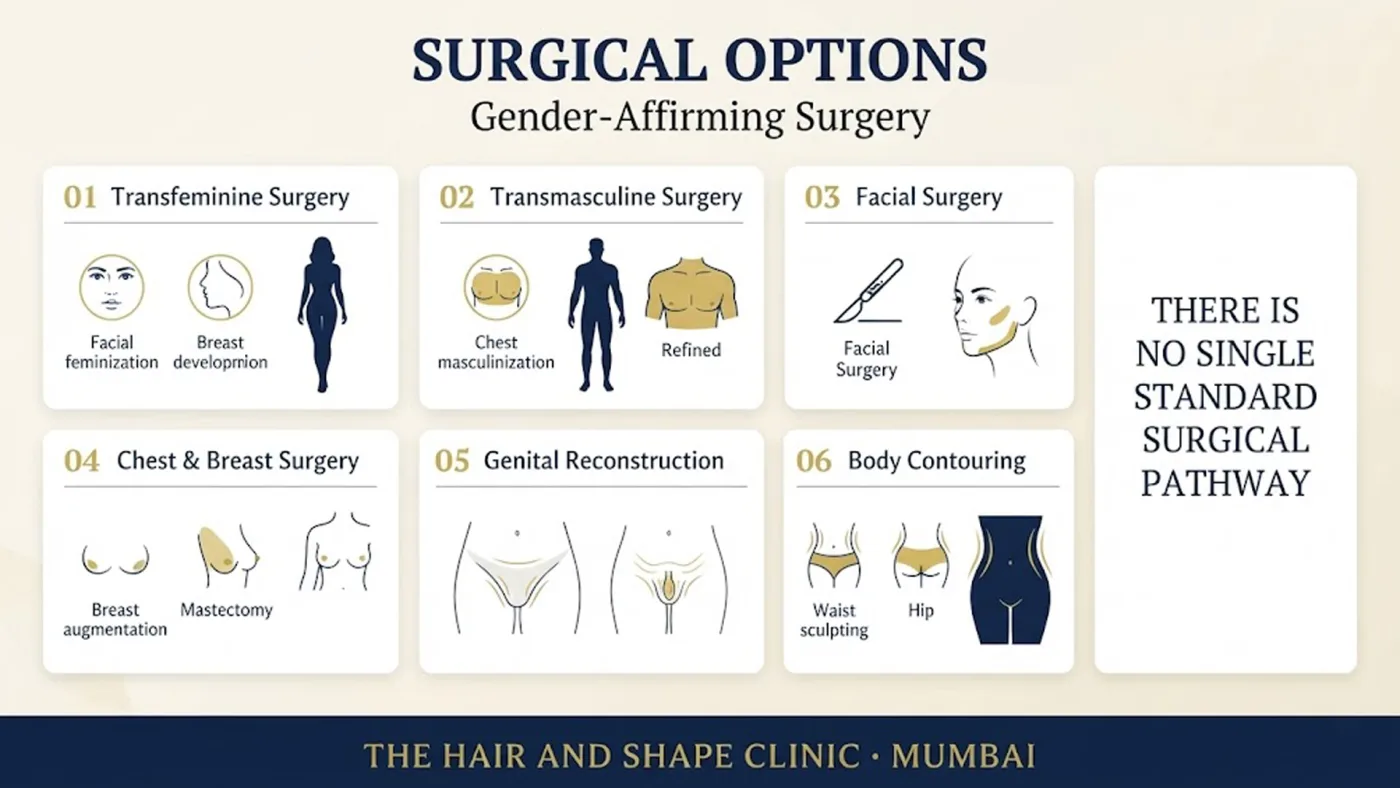
Gender reassignment surgery can involve different procedures depending on whether the individual is seeking masculinising or feminising changes.
Surgical options may include:
Male-to-female gender-affirming surgery
Female-to-male gender-affirming surgery
Facial feminisation surgery
Facial masculinisation procedures
Chest and breast surgery
Genital reconstruction
Body contouring procedures
The specific combination of procedures varies significantly between individuals. A comprehensive consultation is therefore essential before deciding on a surgical pathway.
What Is Male-to-Female Gender Reassignment Surgery?
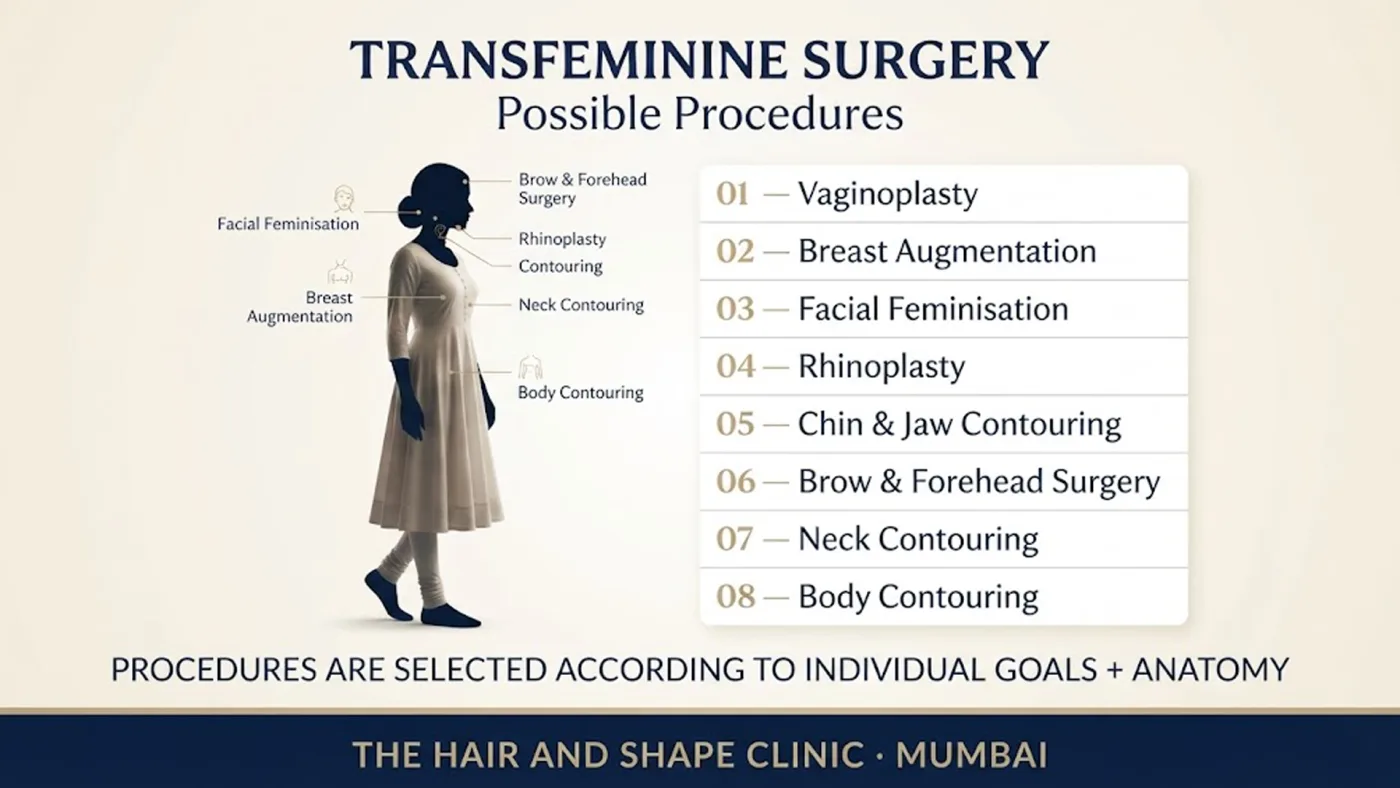
Male-to-female, or transfeminine gender-affirming surgery, refers to surgical procedures designed to create or enhance physical characteristics that are typically associated with female anatomy.
Depending on individual goals, surgical treatment may include genital reconstruction such as vaginoplasty, along with procedures designed to feminise the face, chest, or body.
Potential procedures may include:
Vaginoplasty
Breast augmentation
Facial feminisation surgery
Rhinoplasty
Chin and jaw contouring
Brow and forehead procedures
Neck contouring
Body contouring
Not every patient requires or chooses all of these procedures. Treatment is planned according to individual anatomy, transition goals, and overall health.
What Is Female-to-Male Gender Reassignment Surgery?
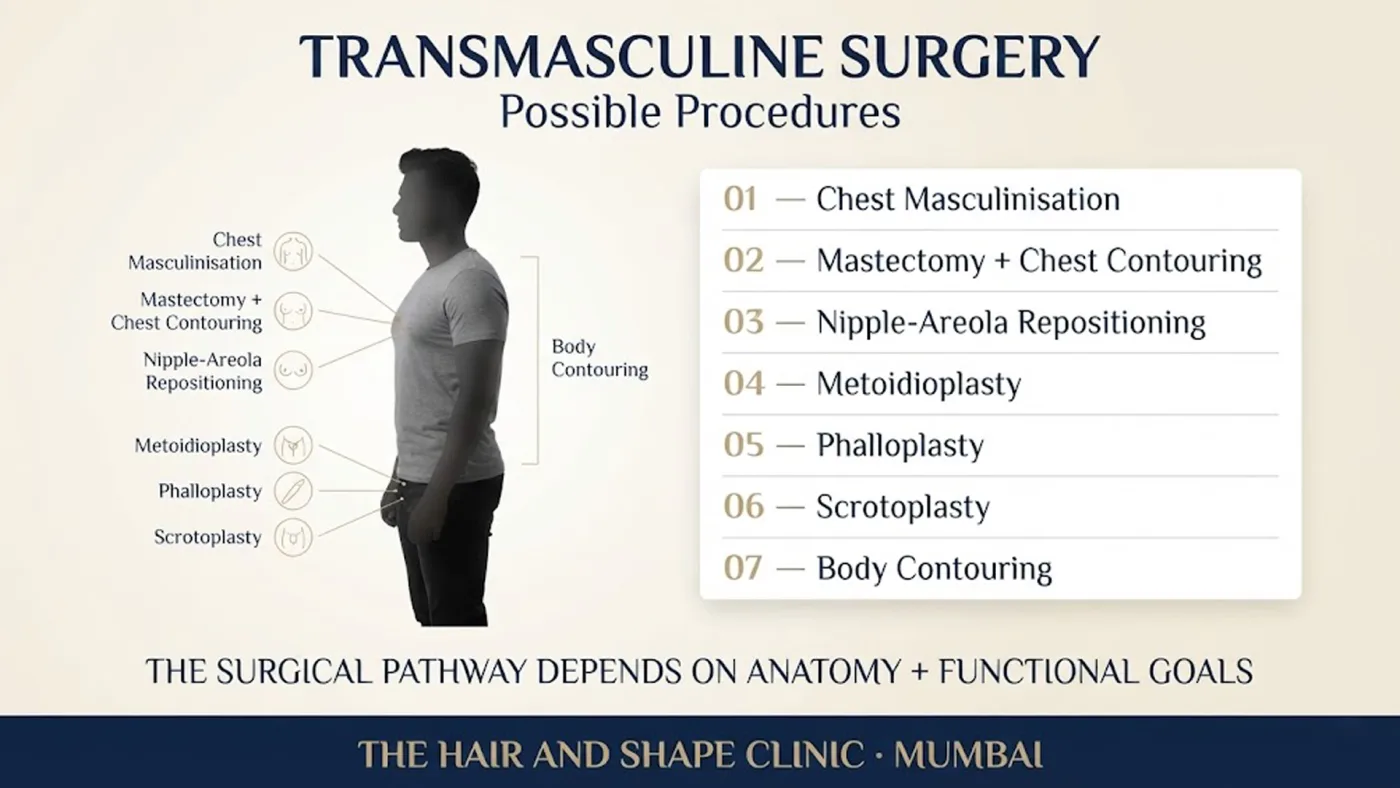
Female-to-male, or transmasculine gender-affirming surgery, includes procedures designed to create or enhance masculine physical characteristics.
Depending on the patient's goals, surgery may involve chest reconstruction, body contouring, or genital reconstruction.
Potential procedures include:
Chest masculinisation surgery
Mastectomy with chest contouring
Nipple and areola repositioning
Metoidioplasty
Phalloplasty
Scrotoplasty
Body contouring
The appropriate procedure depends on anatomy, previous treatments, individual goals, and the patient's expectations regarding appearance and function.
Is Gender Reassignment Surgery The Same For Every Patient?
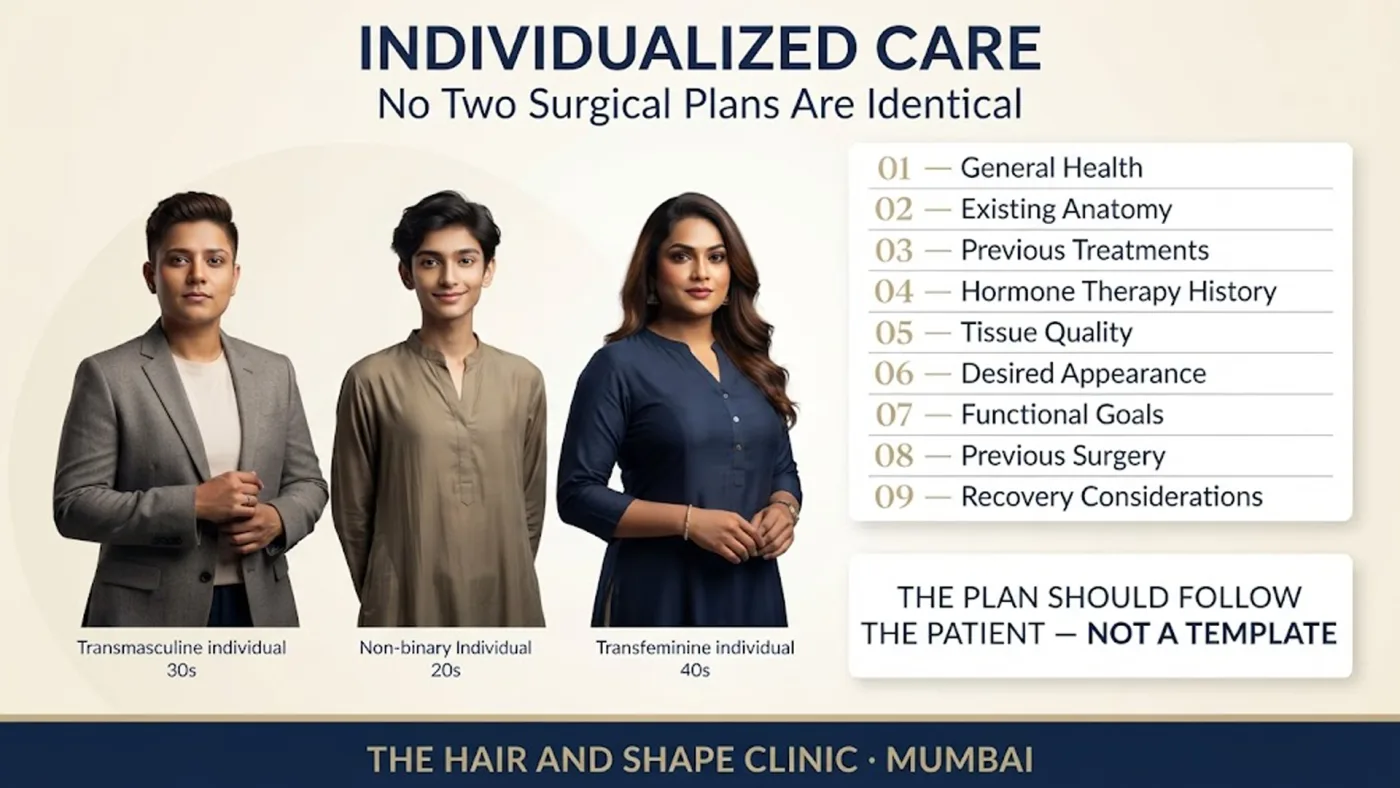
No.
Gender-affirming surgery is highly personalised because every patient has different anatomy, medical history, transition goals, and expectations.
Factors considered during treatment planning include:
Age and general health
Existing anatomy
Previous gender-affirming treatments
Hormone therapy history
Skin and tissue quality
Desired appearance
Functional expectations
Previous surgeries
Recovery considerations
A personalised approach allows the surgical plan to focus on the outcomes that are most important to each individual rather than following a standardised procedure.
Who May Be A Candidate For Gender-Affirming Surgery?

The suitability for gender-affirming surgery is determined individually following a comprehensive medical and surgical assessment.
A patient may be considered for surgery when they:
Have a clear understanding of the procedure
Have realistic expectations regarding outcomes
Are medically suitable for surgery
Understand the potential benefits and limitations
Are prepared for the recovery process
Have access to appropriate postoperative care
Depending on the procedure and clinical circumstances, additional assessments or documentation may be required before surgery.
What Happens During A Gender-Affirming Surgery Consultation?
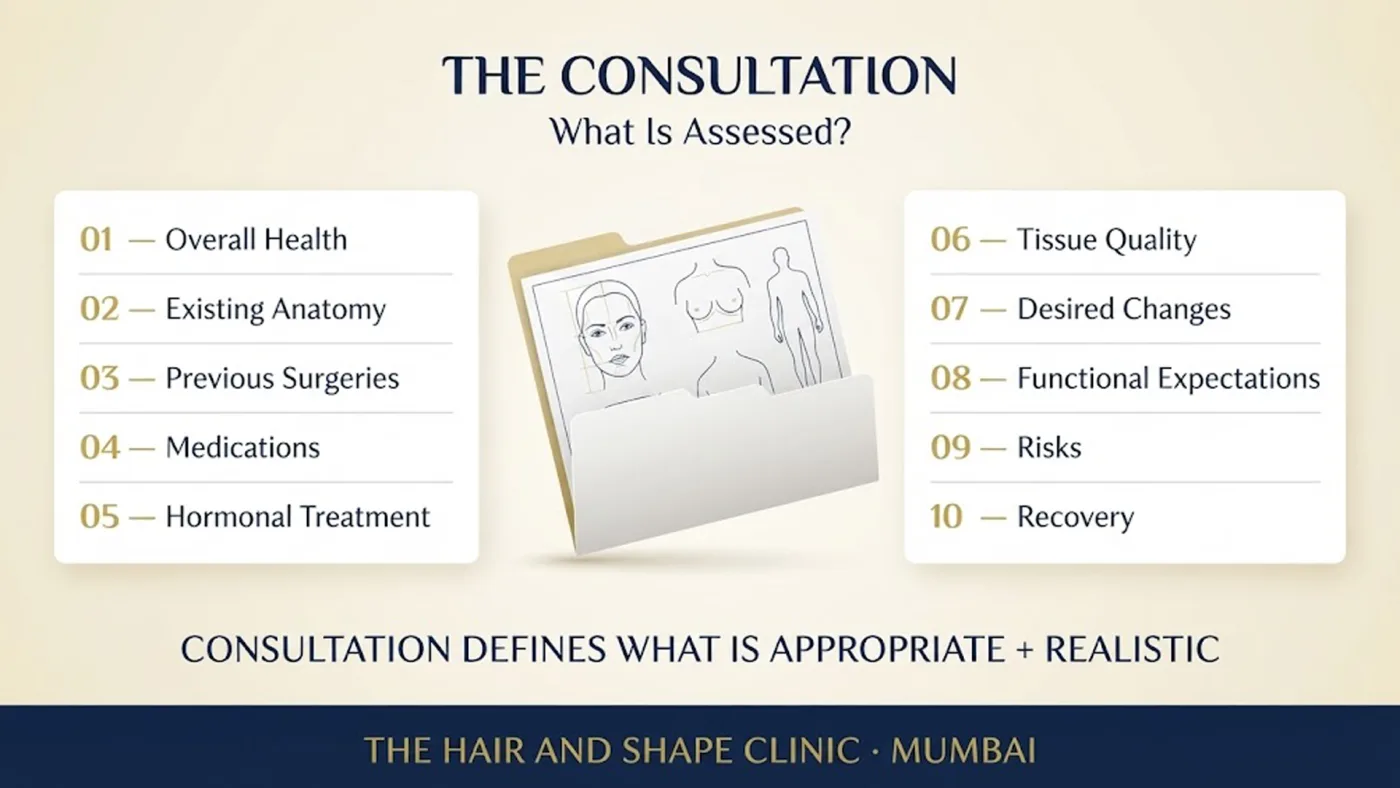
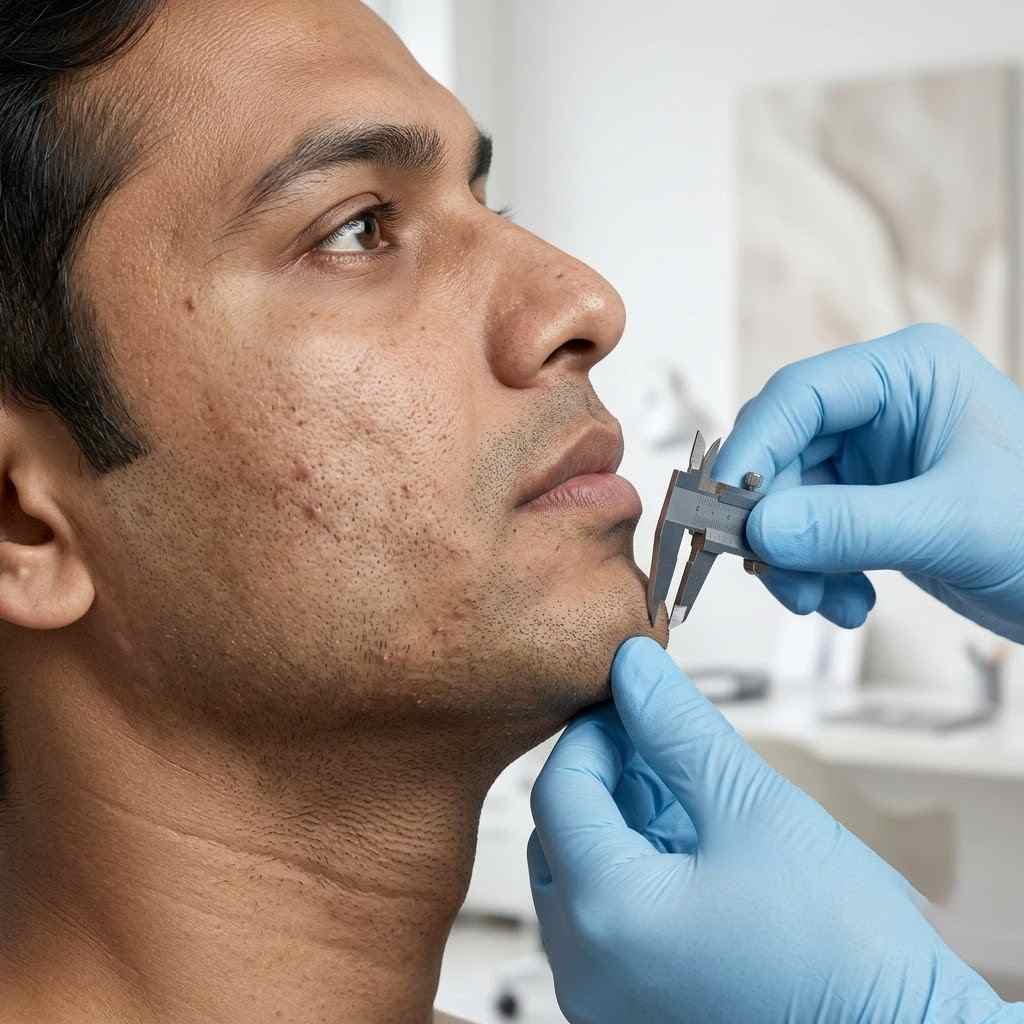
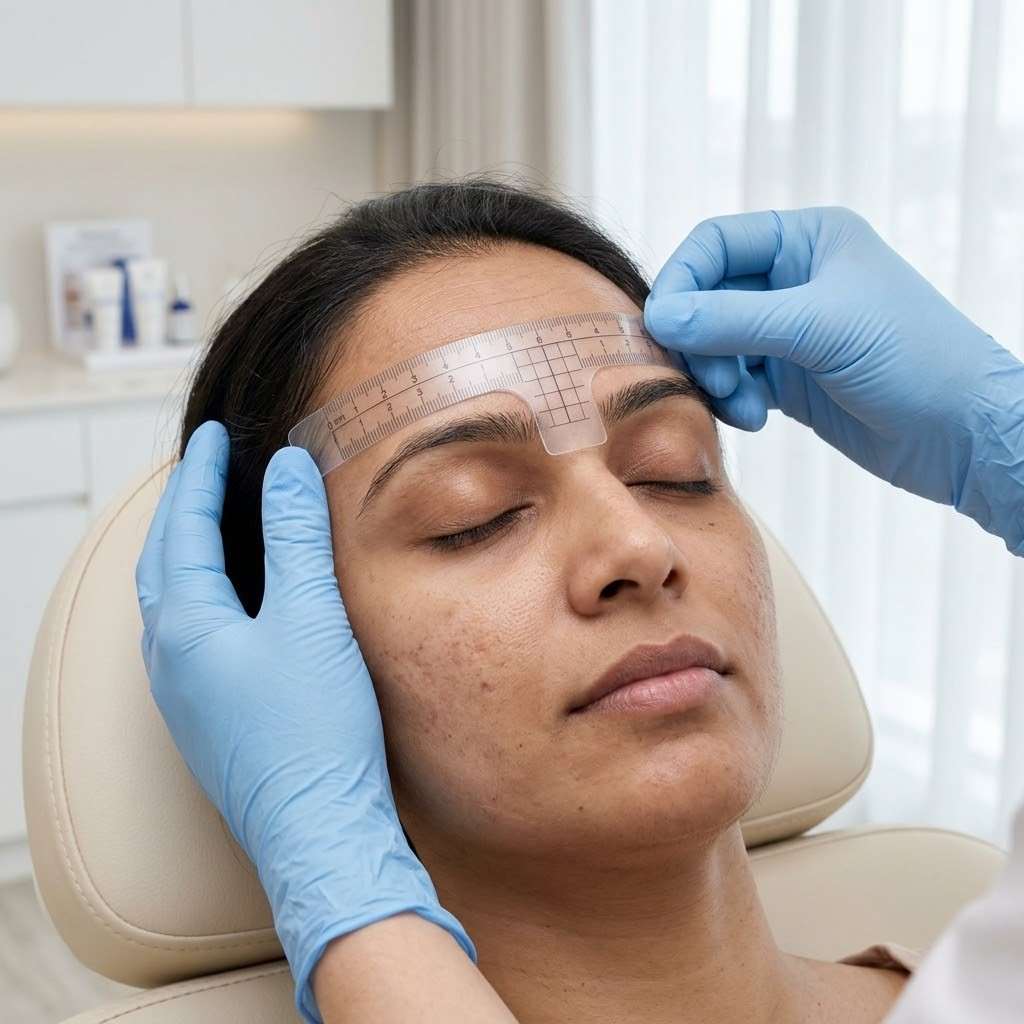
The consultation is an important part of the treatment process and provides an opportunity to discuss both surgical goals and realistic outcomes.
During the consultation, the surgeon evaluates:
Overall health
Existing anatomy
Previous surgeries
Current medications
Hormonal treatment
Skin and tissue quality
Desired anatomical changes
Functional expectations
Potential surgical risks
Recovery requirements
The surgeon then explains the available surgical options and develops a personalised treatment plan based on the patient's goals and anatomy.
Why Is Individualised Surgical Planning Important?
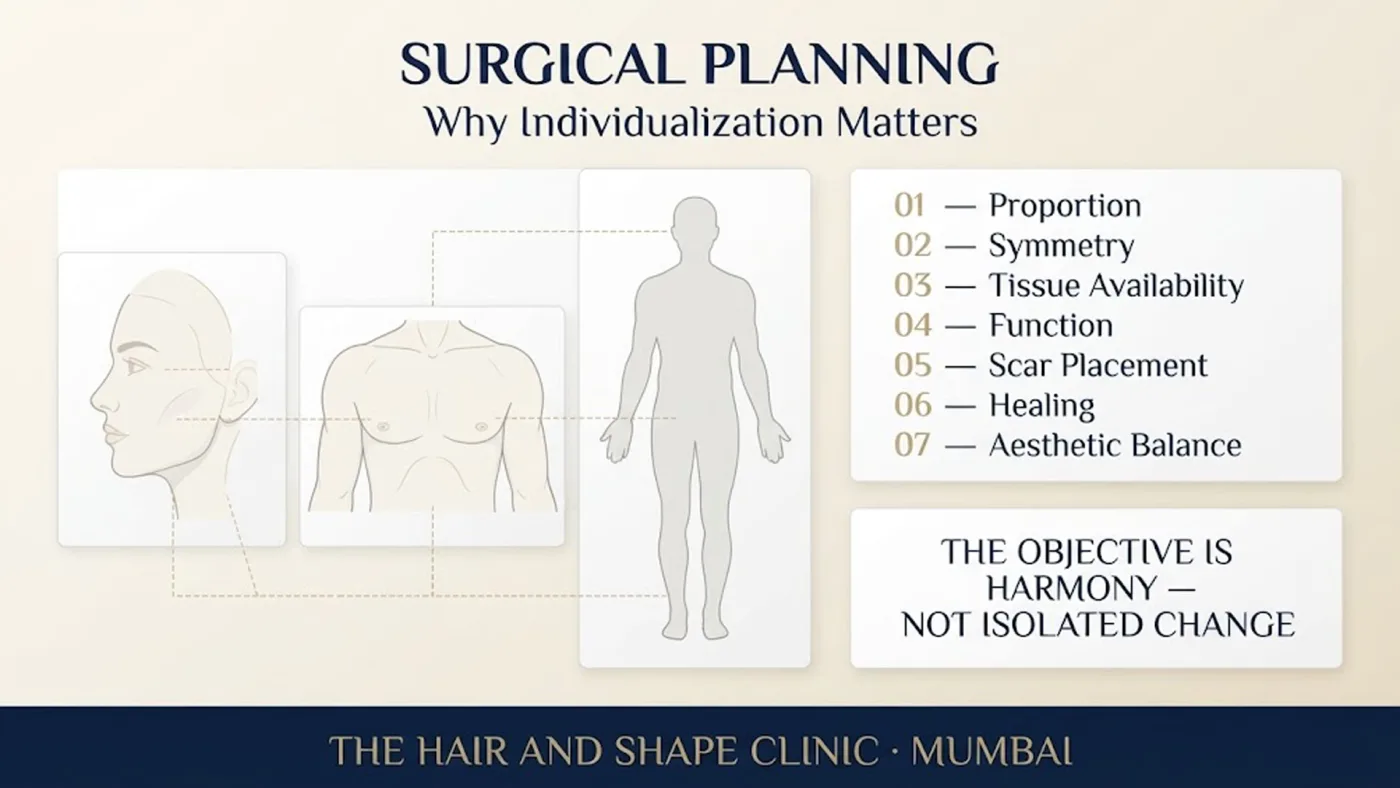
Gender-affirming surgery involves complex anatomical considerations. The objective is not simply to change one physical characteristic but to create harmony between the treated area and the rest of the body.
Careful planning helps address:
Anatomical proportions
Symmetry
Tissue availability
Functional requirements
Scar placement
Long-term healing
Aesthetic balance
An experienced plastic surgeon can determine which surgical techniques are most appropriate while explaining what can realistically be achieved.
What Are The Goals Of Gender-Affirming Surgery?
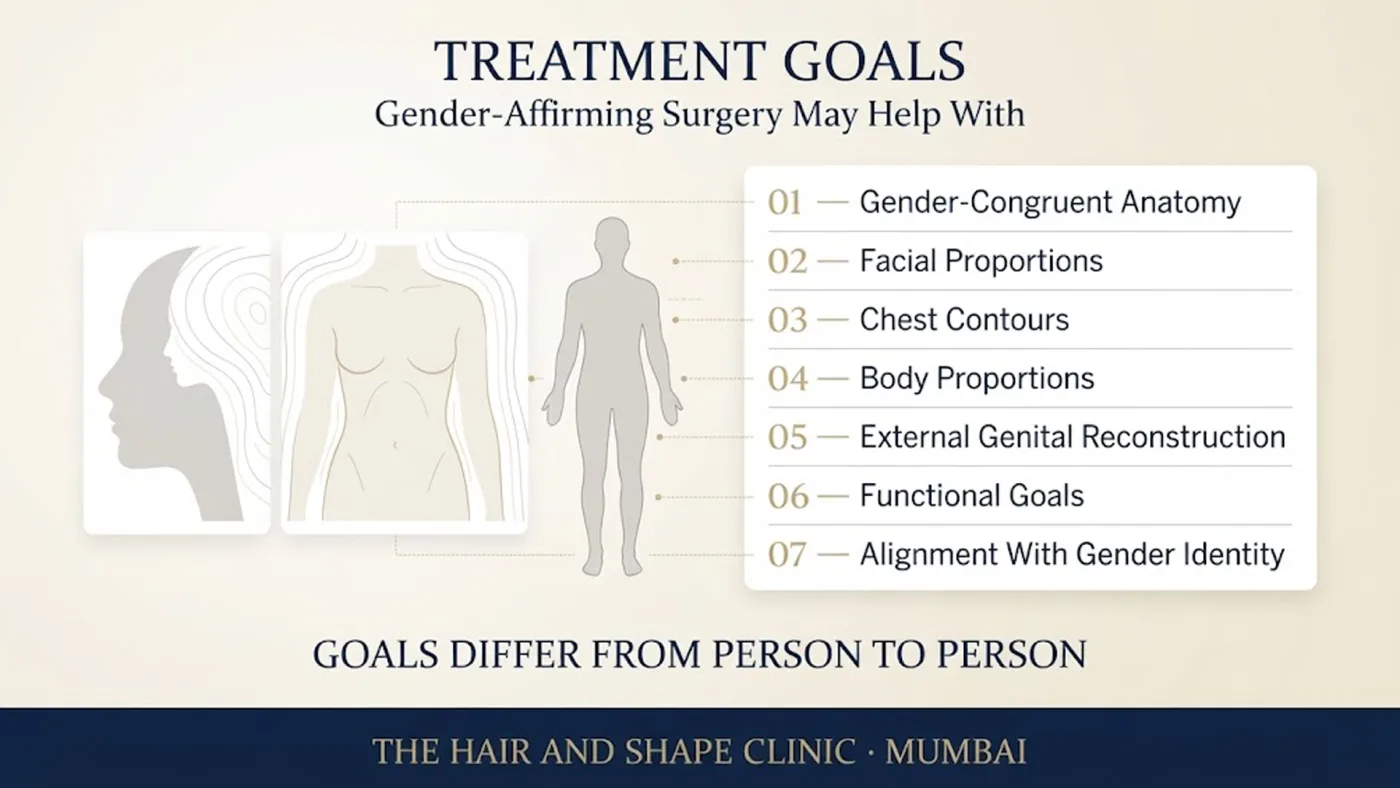
The goals vary from patient to patient, but gender-affirming surgery may help align physical characteristics with an individual's gender identity.
Depending on the procedure, goals may include:
Creating gender-congruent anatomy
Improving body proportions
Creating a more feminine or masculine appearance
Improving facial harmony
Improving chest contours
Improving genital appearance and function
Reducing gender dysphoria associated with specific anatomical features
The desired outcome should always be discussed openly during consultation so that the surgical plan reflects the patient's priorities.
What Procedures May Be Included In Gender-Affirming Surgery?
Gender reassignment surgery can involve several different procedures, depending on the individual's transition goals. Some patients may undergo a single procedure, while others may choose a staged approach over time.
Facial Gender-Affirming Surgery
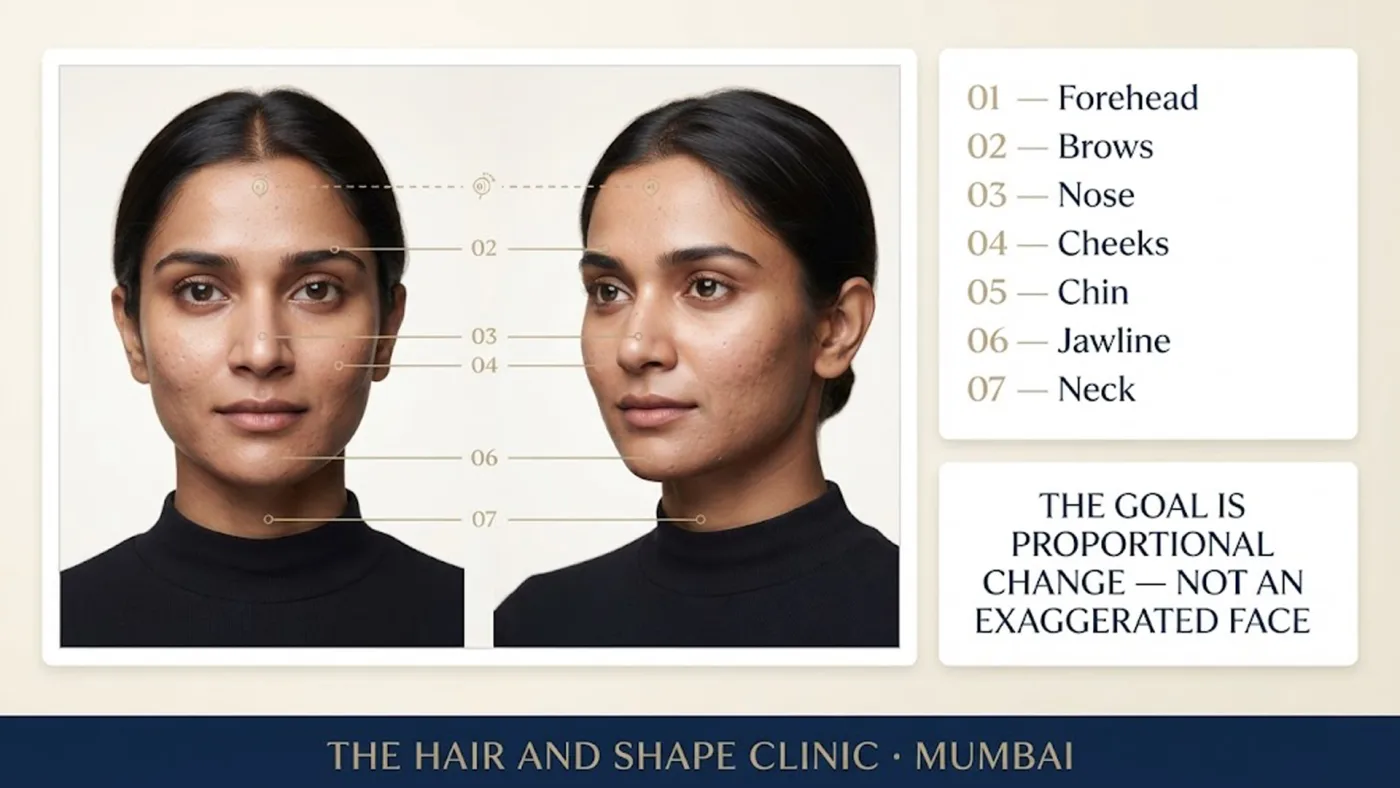
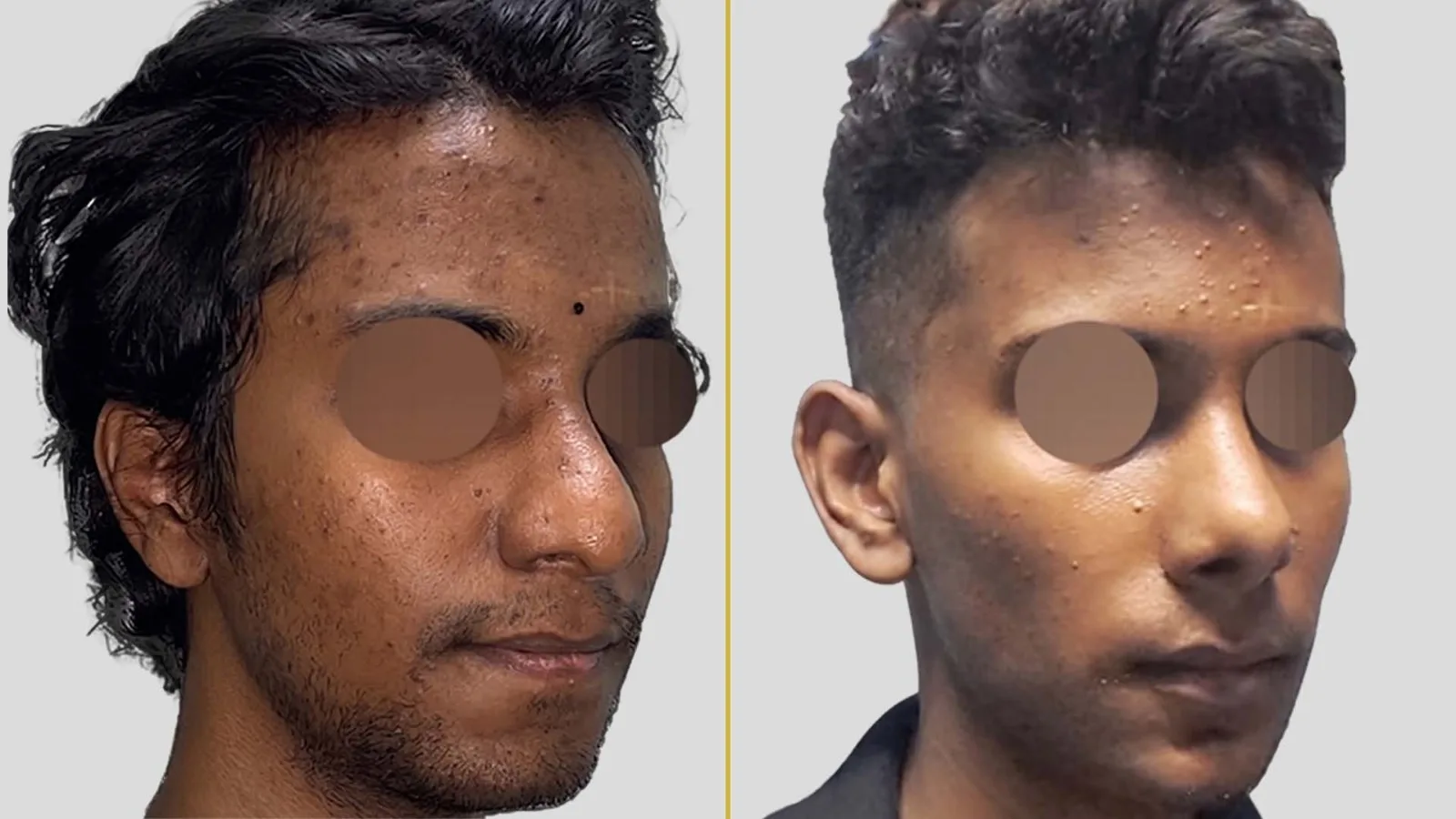
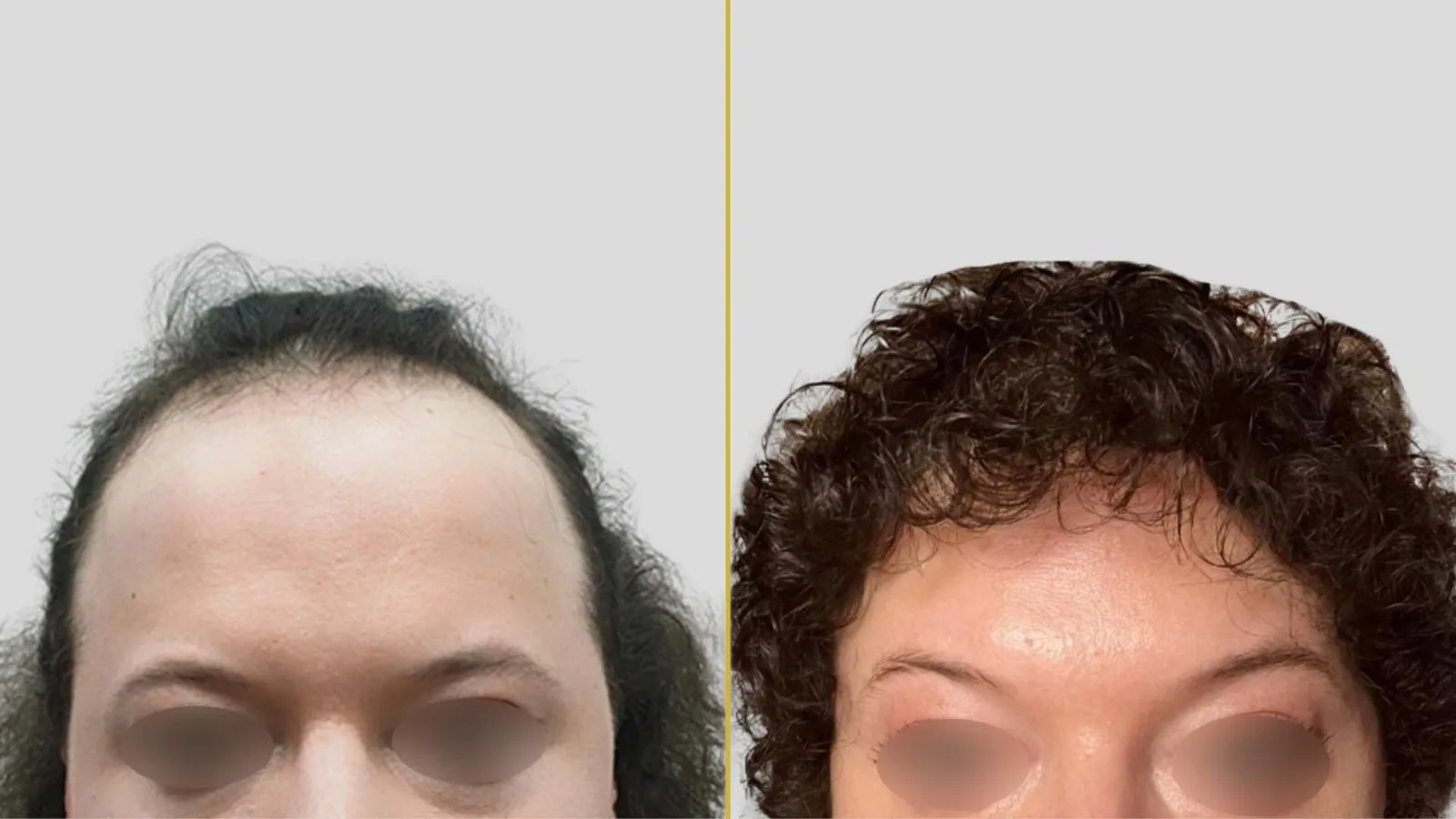
Facial procedures can modify features that contribute to masculine or feminine facial appearance. Depending on the patient's needs, treatment may involve the forehead, brow, nose, cheeks, chin, jawline, or neck.
Procedures may include:
Rhinoplasty
Forehead contouring
Brow lift or brow repositioning
Chin contouring
Jawline contouring
Cheek augmentation
Neck contouring
Facial fat grafting
The goal is not to create an exaggerated appearance but to achieve facial proportions that are more aligned with the patient's gender identity.
Chest And Breast Surgery
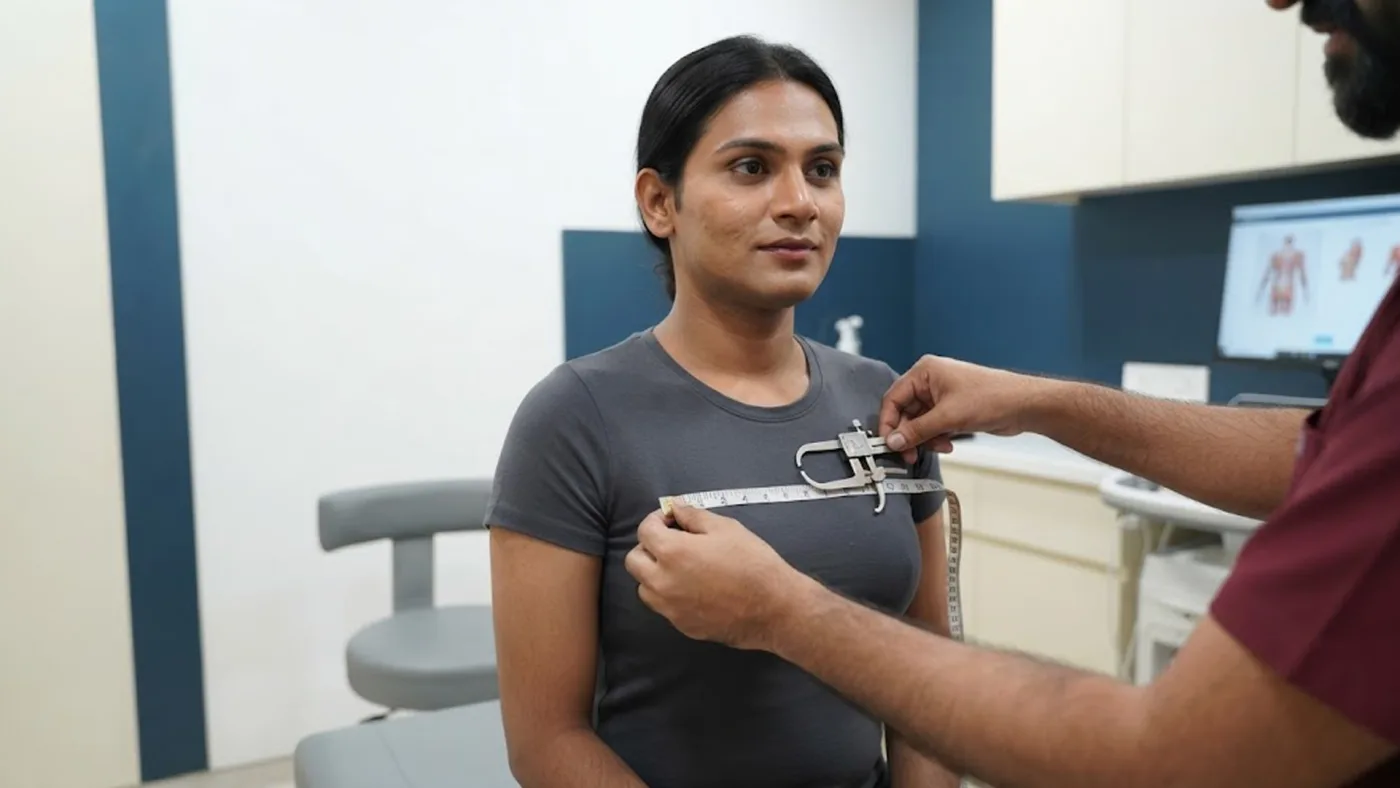
Chest surgery is an important component of gender-affirming care for many patients.
For transfeminine patients, breast augmentation may be considered when hormone therapy has not produced the desired breast volume or when additional symmetry and contour are desired.
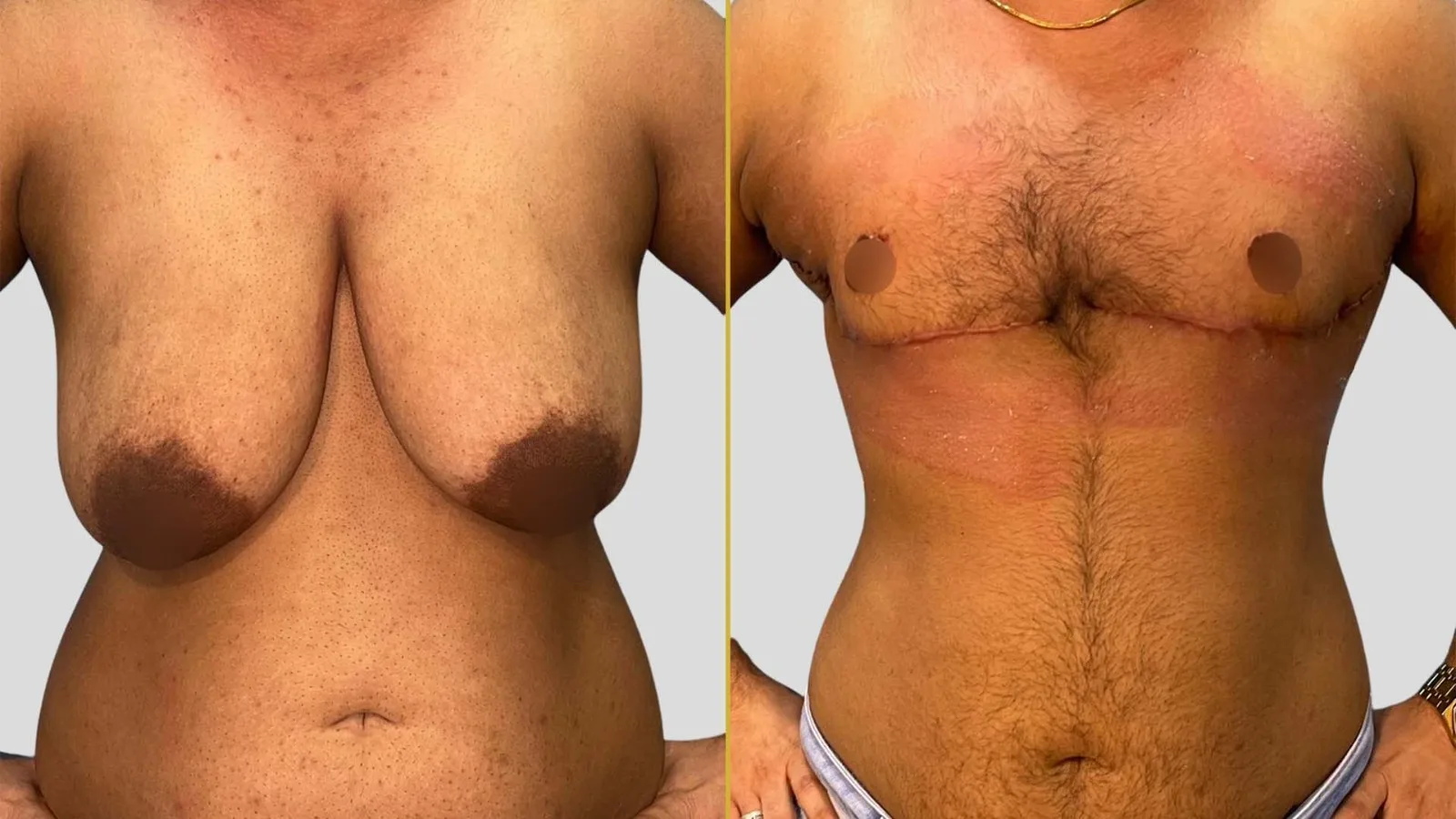
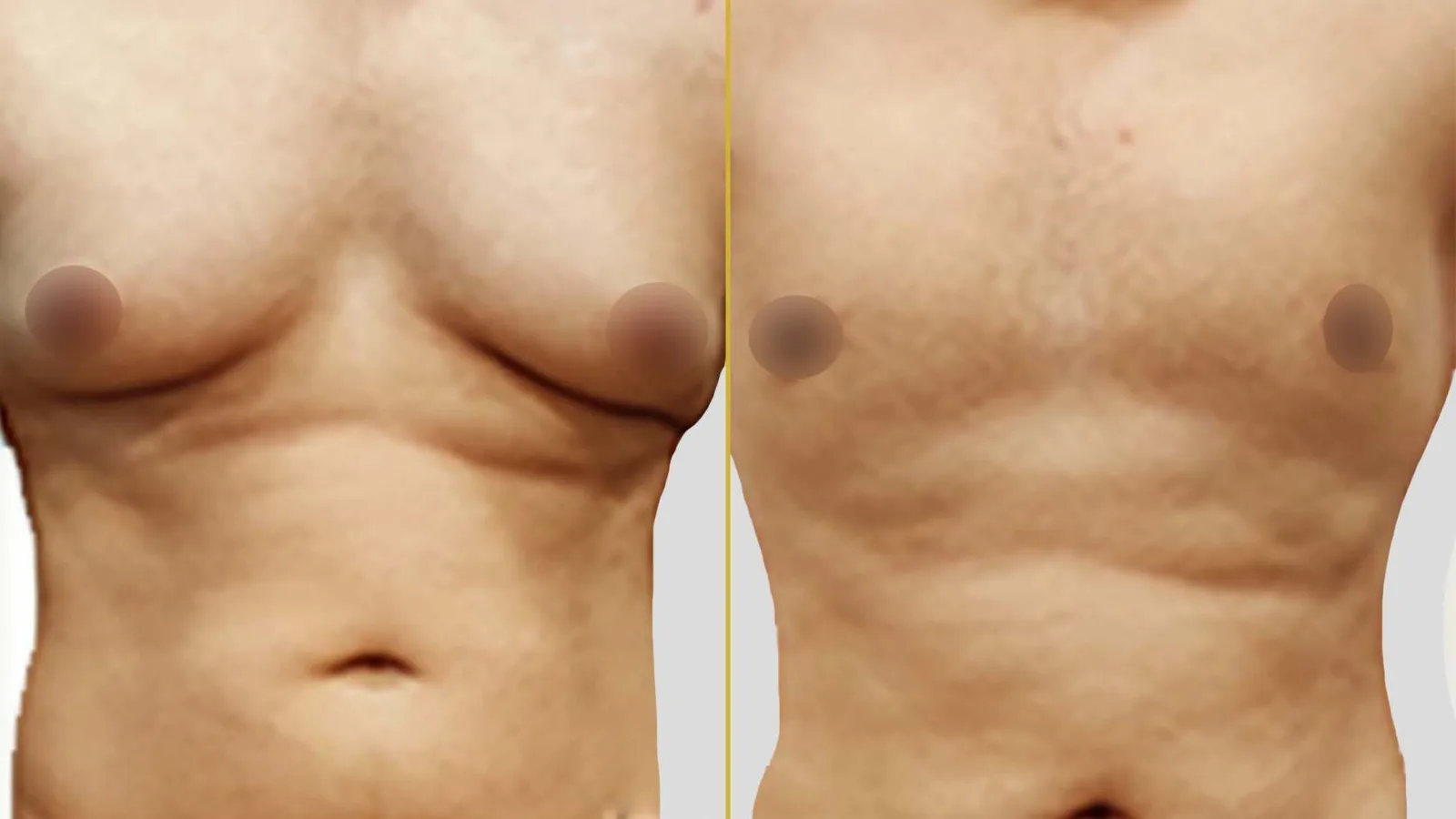
For transmasculine patients, chest masculinisation surgery may involve removing breast tissue, reshaping the chest, and repositioning the nipple and areola to create a flatter and more masculine chest contour.
The appropriate surgical technique depends on breast or chest size, skin elasticity, tissue distribution, nipple position, and the desired final appearance.
Genital Gender-Affirming Surgery
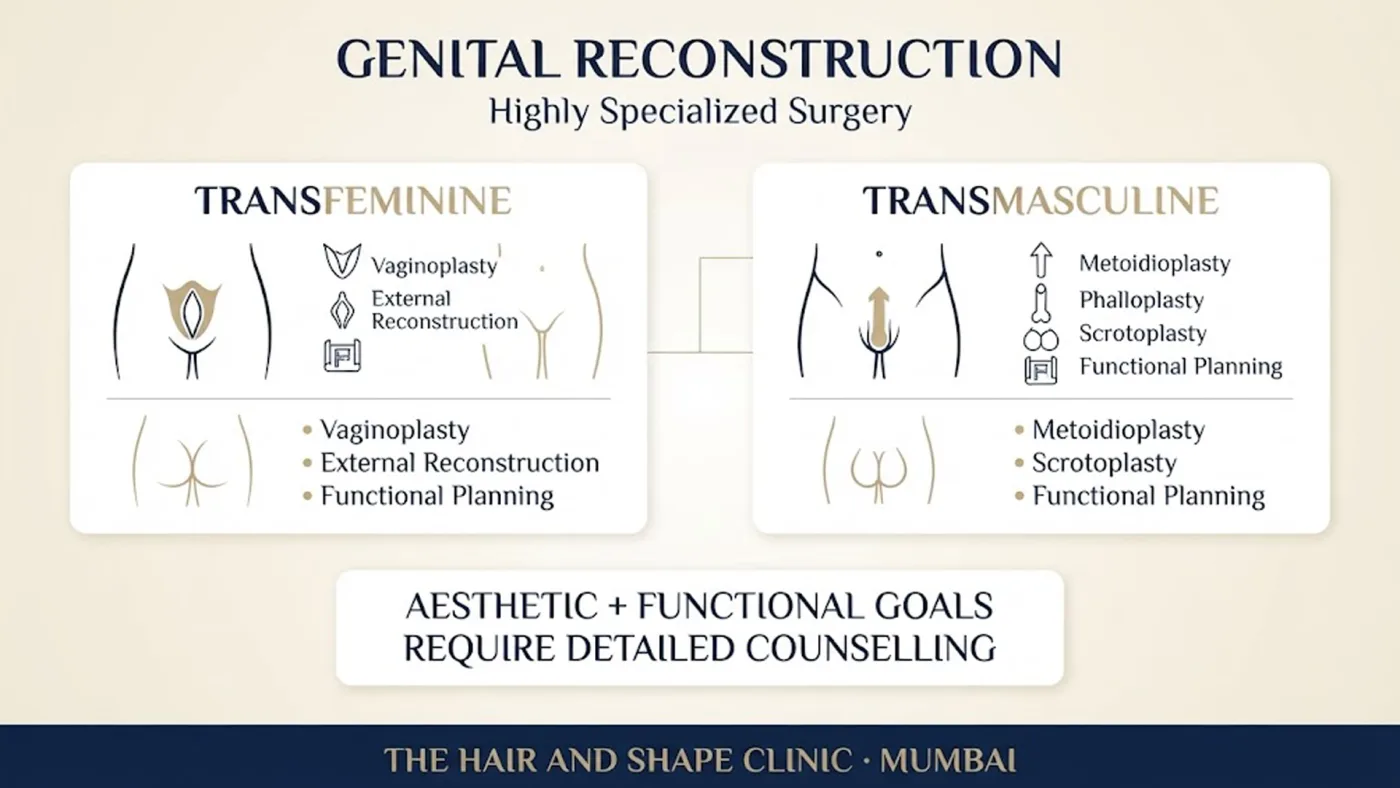
Genital reconstruction involves highly specialised procedures designed to create anatomy that aligns more closely with the patient's gender identity.
For transfeminine patients, procedures such as vaginoplasty may create external genital anatomy and a vaginal canal, depending on the selected surgical technique.
For transmasculine patients, procedures may include metoidioplasty or phalloplasty, potentially combined with scrotoplasty and other reconstructive procedures.
Because genital surgery involves both aesthetic and functional considerations, detailed counselling and multidisciplinary care may be appropriate.
Is Gender Reassignment Surgery A Single Operation?
Not necessarily.
Gender-affirming surgery may be performed as a single procedure or through multiple stages depending on the patient's goals, anatomy, and the complexity of the reconstruction.
Some procedures can be combined safely, while others are better performed separately to allow tissues to heal before the next stage.
A staged approach may be recommended when:
Multiple anatomical areas require treatment
Extensive reconstruction is necessary
Healing between procedures is important
The patient prefers a gradual transition
Additional procedures are required to refine the result
The surgical plan is determined individually rather than using a fixed sequence for every patient.
What Is Recovery Like After Gender-Affirming Surgery?
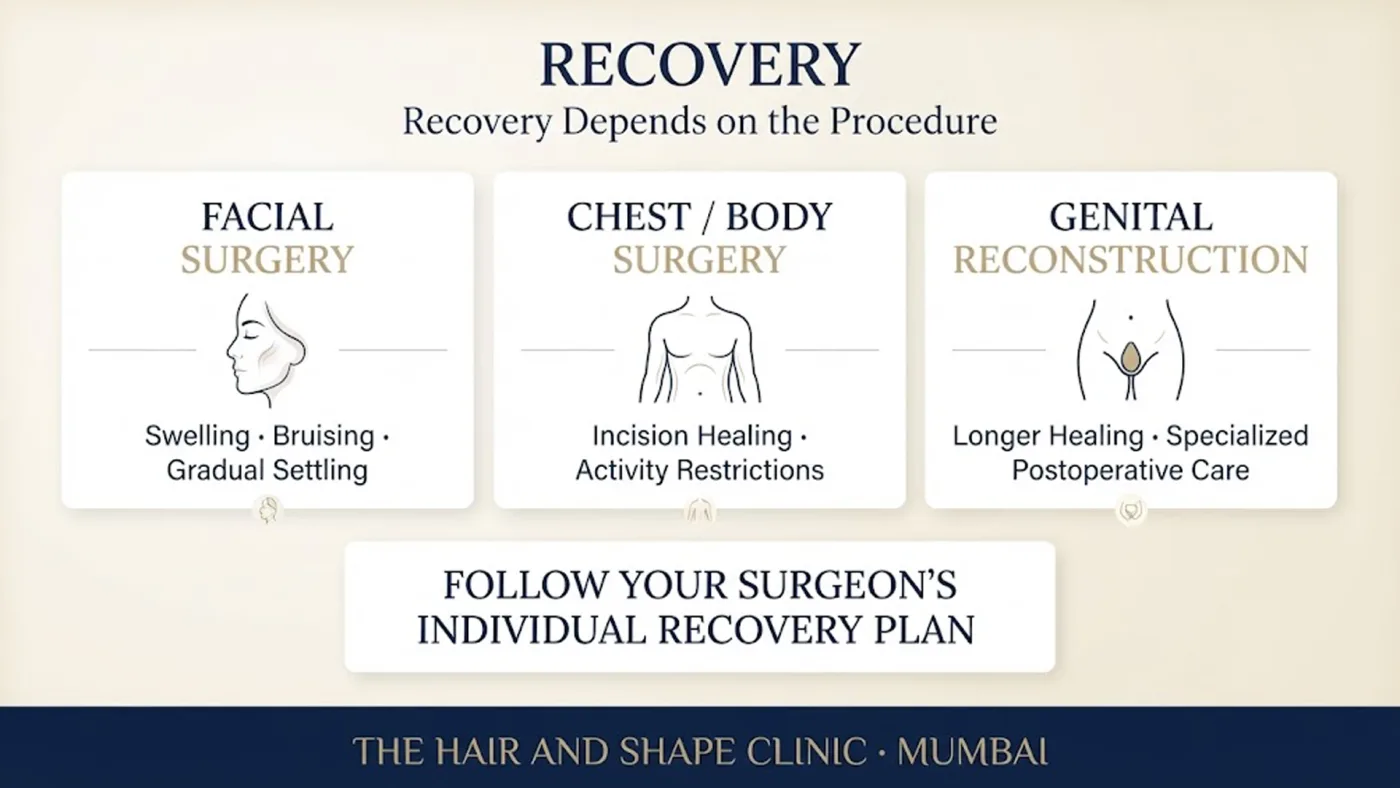
Recovery varies significantly depending on the procedure performed.
Facial and chest procedures may have relatively shorter initial recovery periods, while complex genital reconstruction can require substantially longer healing and specialised postoperative care.
During recovery, patients may experience:
Swelling
Bruising
Temporary discomfort
Changes in sensation
Incision-related healing
Temporary activity restrictions
Following postoperative instructions carefully is essential for proper healing and reducing the risk of complications.
The surgeon will provide specific instructions regarding wound care, medications, physical activity, bathing, compression garments, sexual activity where relevant, and follow-up appointments.
When Can You Return To Normal Activities After Surgery?
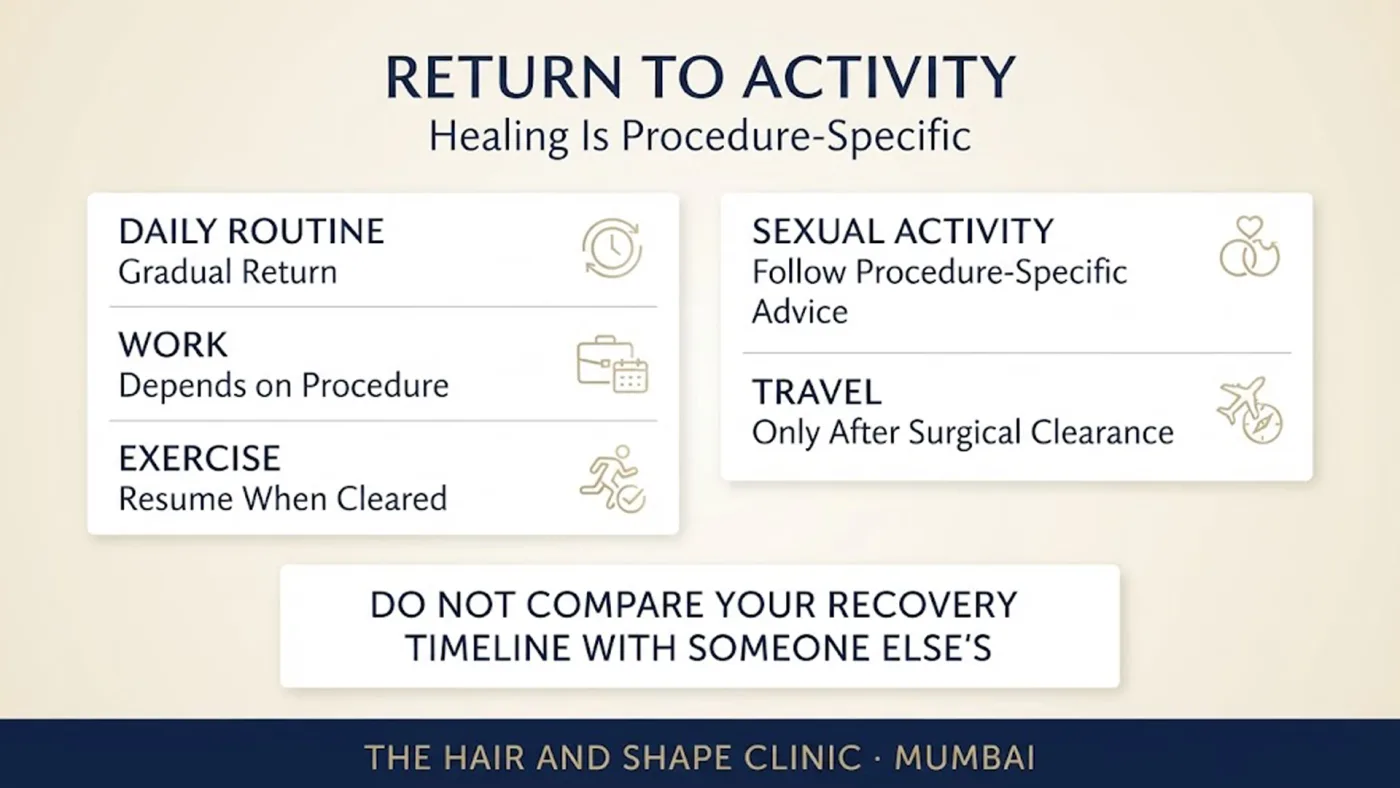
The timeline depends on the type and extent of gender-affirming surgery.
Patients undergoing facial procedures may gradually resume routine activities as swelling and bruising decrease. Chest and body procedures may require restrictions on strenuous exercise and upper-body activity for a longer period.
Genital reconstruction generally requires a more extensive recovery period and may involve specialised postoperative care.
Because healing differs between individuals, patients should follow their surgeon's specific recovery instructions rather than comparing their progress with someone else's experience.
What Results Can Be Expected From Gender-Affirming Surgery?
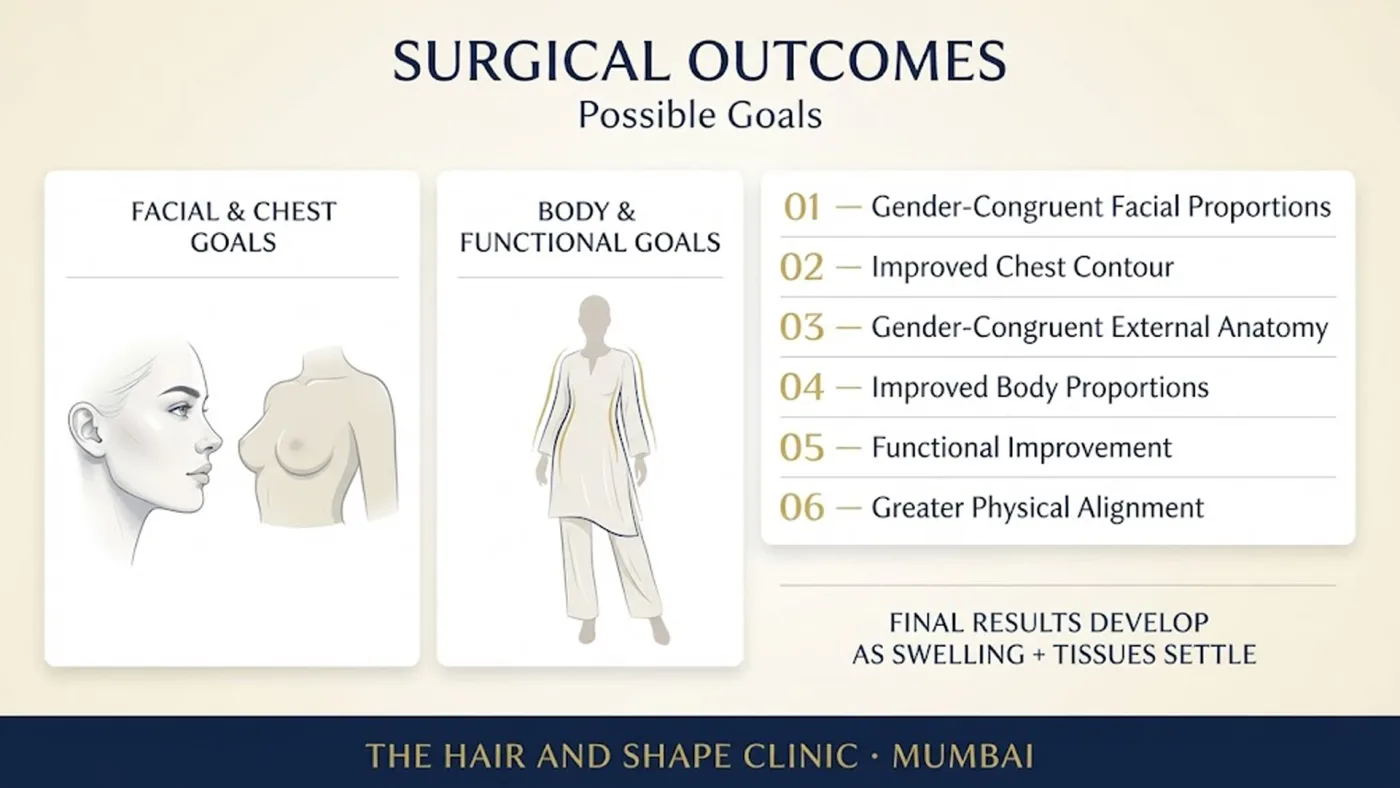
The results depend on the procedure, surgical technique, anatomy, tissue characteristics, and individual healing response.
The goals may include:
More gender-congruent facial proportions
Improved chest or breast contours
Gender-congruent external genital anatomy
Improved body proportions
Greater alignment between physical appearance and gender identity
Swelling can temporarily obscure the final result, particularly after extensive surgery. Facial and body tissues may continue settling for several months, while some reconstructive procedures require longer periods for complete maturation.
Realistic expectations are an essential part of achieving satisfaction with the final outcome.
What Are The Risks Of Gender-Affirming Surgery?
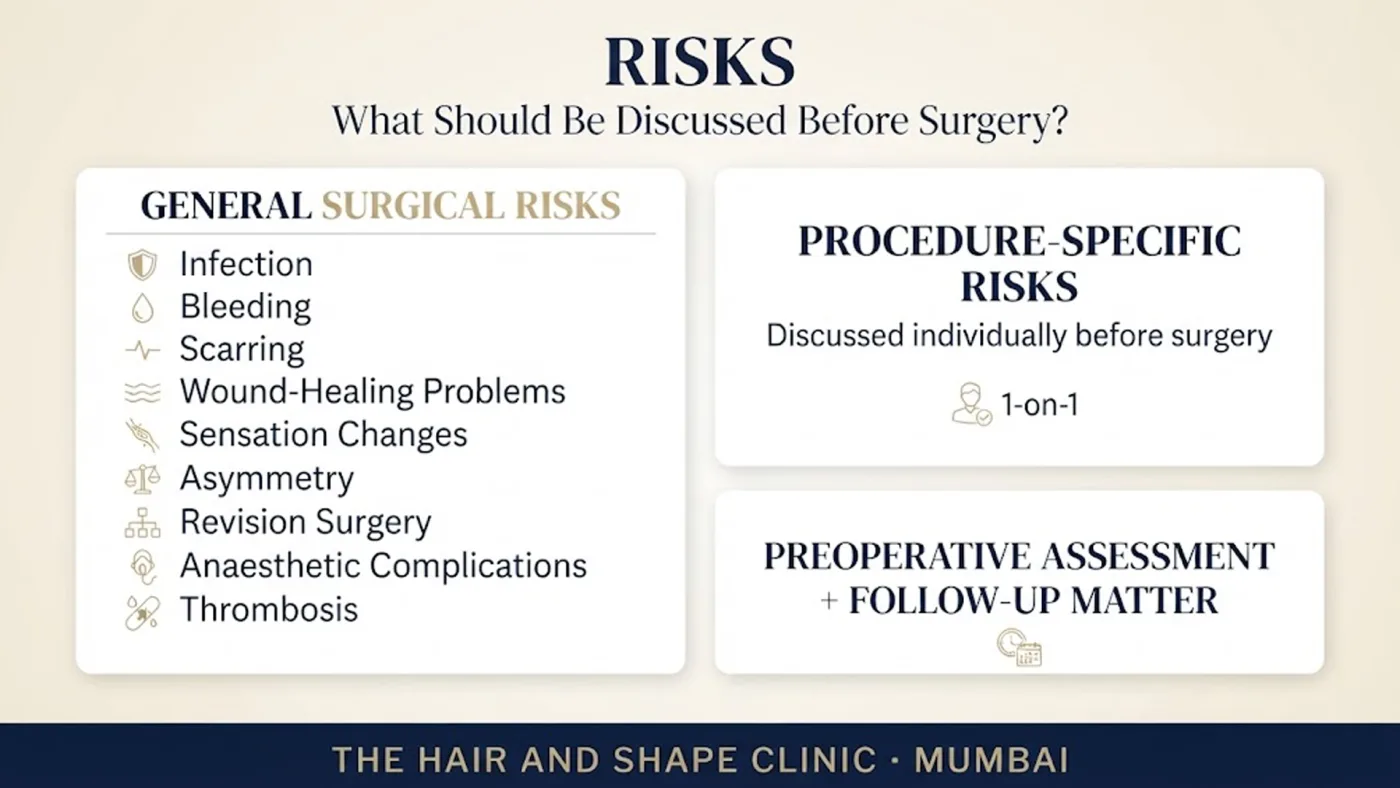
As with any major surgical procedure, gender-affirming surgery carries potential risks.
Depending on the procedure, these may include:
Infection
Bleeding
Scarring
Wound-healing problems
Changes in sensation
Asymmetry
Need for revision surgery
Anaesthetic complications
Thrombosis or other medical complications
Genital reconstruction has additional procedure-specific risks that should be discussed in detail before surgery.
A thorough preoperative assessment and appropriate postoperative monitoring help reduce preventable complications.
Can Gender-Affirming Surgery Require Revision?
Yes.
Some patients may require or choose revision surgery after the initial procedure.
Revision may be considered to address:
Scar concerns
Asymmetry
Contour irregularities
Functional concerns
Healing-related changes
Aesthetic refinement
Not every patient requires revision, and the need for additional surgery cannot always be predicted before the initial procedure.
The possibility of revision should be discussed openly during the initial consultation so that patients understand both the expected outcome and the limitations of surgery.
Why Choose Hair & Shape For Gender-Affirming Plastic Surgery In Mumbai?
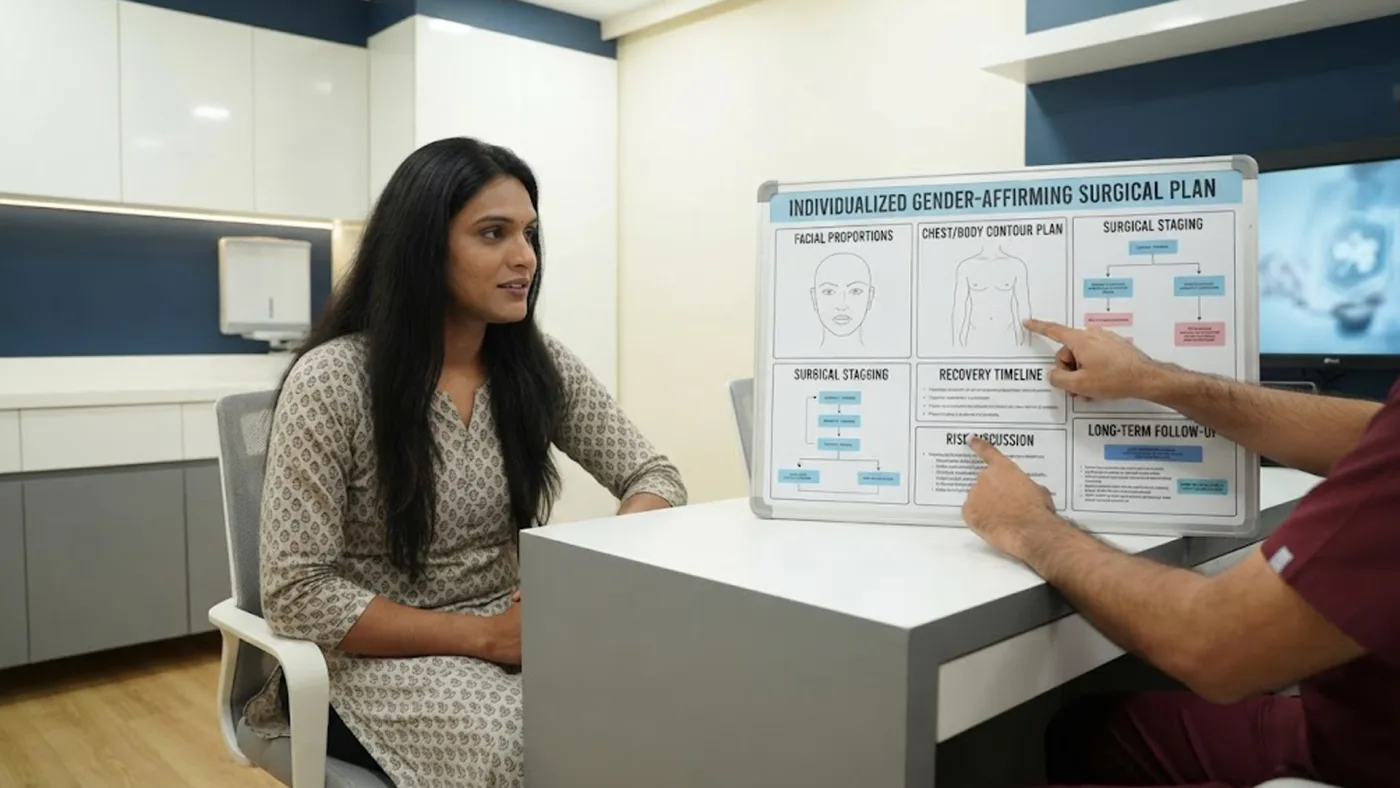
At Hair & Shape Clinic, gender-affirming plastic surgery is approached with respect, privacy, and individualised surgical planning. Every patient is assessed according to their anatomy, medical history, transition goals, and desired outcomes rather than being placed into a standard treatment pathway.
Dr. Umang Kothari provides personalised plastic surgical care with a focus on anatomical precision, proportion, safety, and natural-looking results. Depending on the patient's requirements, treatment planning may involve facial feminisation or masculinisation, breast and chest procedures, body contouring, or selected reconstructive procedures.
The consultation process is designed to provide a confidential environment where patients can discuss their goals openly and understand the available options, expected recovery, potential risks, and realistic outcomes before making a surgical decision.
Gender-Affirming Surgery For International Patients
Patients travelling to Mumbai for gender-affirming surgery require additional planning because surgery and recovery take place away from home.
Hair & Shape Clinic can help international patients understand the treatment pathway before travelling, including:
Initial online consultation
Medical history and previous treatment review
Surgical planning
Required medical investigations
Treatment scheduling
Hospital and surgical coordination
Postoperative follow-up planning
Guidance regarding travel after surgery
International patients are advised to allow sufficient time in Mumbai for the procedure, initial recovery, and appropriate postoperative assessment before returning home.
The exact duration of stay depends on the type and complexity of surgery and is discussed during the consultation.
How Do You Prepare For Gender Reassignment Surgery?
Preparation begins well before the day of surgery.
Patients may be advised to:
Complete recommended medical investigations
Provide details of existing medical conditions
Discuss all medications and supplements
Follow instructions regarding hormone therapy
Avoid smoking and nicotine products
Maintain appropriate nutrition and hydration
Arrange postoperative support
Plan adequate time away from work and strenuous activities
Patients should not stop prescribed medications or hormone therapy without discussing this with their treating medical team.
Detailed preparation instructions are provided according to the specific procedure being performed.
What Happens During Follow-Up After Gender-Affirming Surgery?
Follow-up is an important part of the treatment process.
Postoperative appointments allow the surgical team to monitor:
Wound healing
Swelling and bruising
Incision sites
Tissue recovery
Sensation changes
Functional recovery
Early signs of complications
Long-term follow-up may also be recommended for complex reconstructive procedures or when staged treatment is planned.
The objective is to identify healing concerns early and provide appropriate guidance throughout the recovery process.
What to Expect
Consultation
A detailed assessment of your goals, suitability, and a personalised plan.
Preparation
Clear pre-treatment guidance so you arrive fully prepared and at ease.
The Procedure
Your treatment, performed by our specialists with comfort and safety first.
Aftercare
Structured recovery support and follow-ups to protect your results.
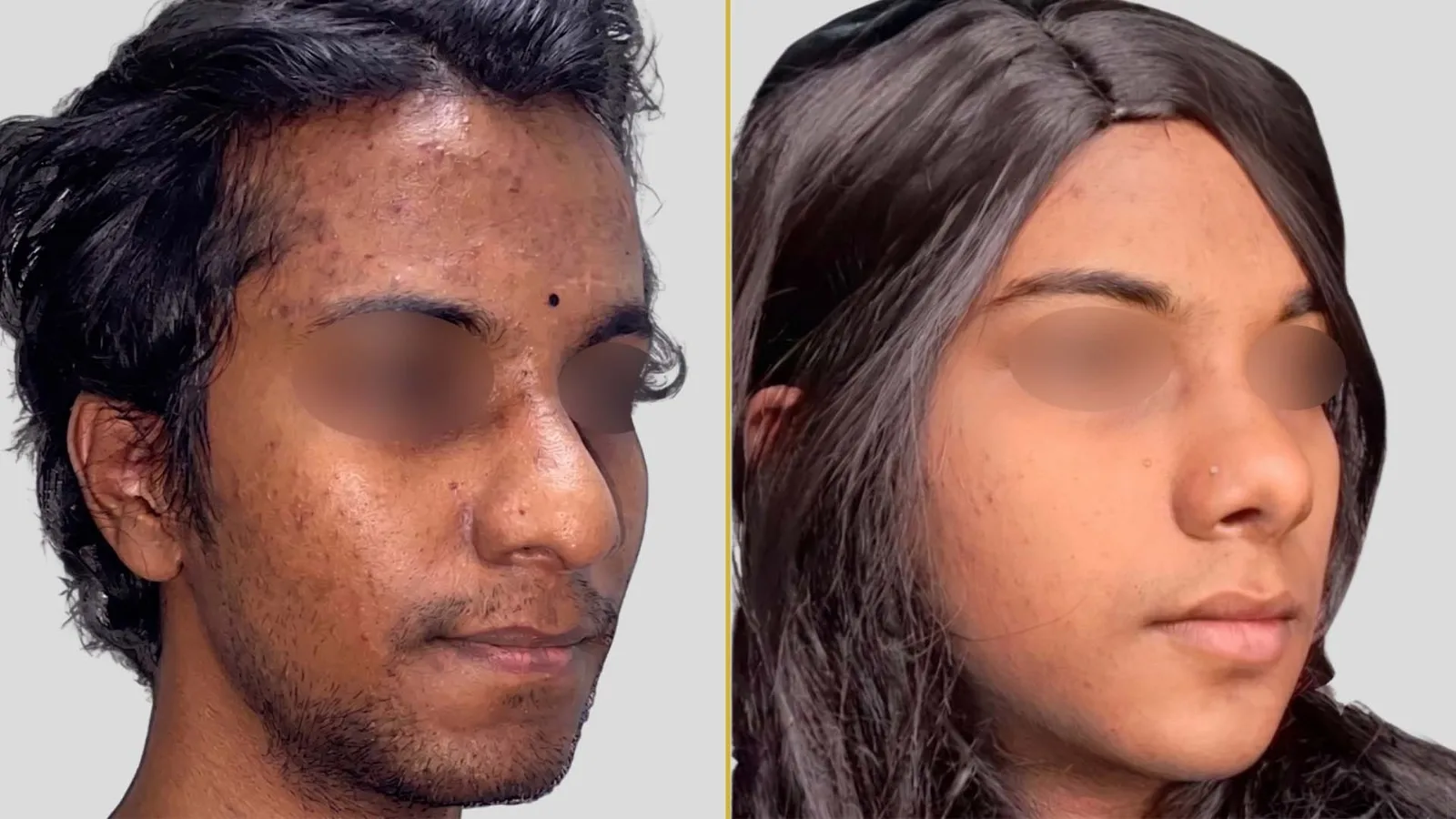
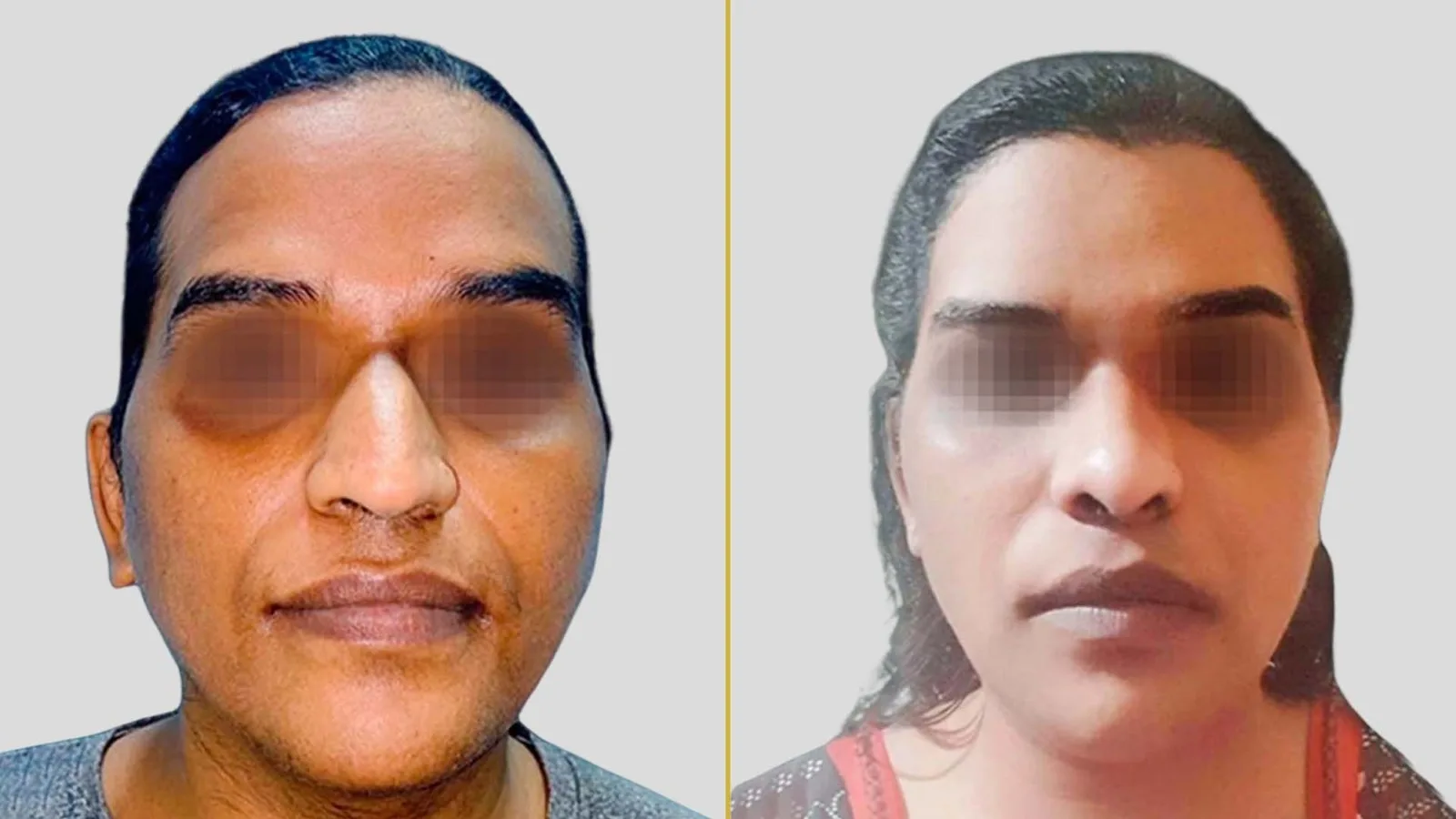
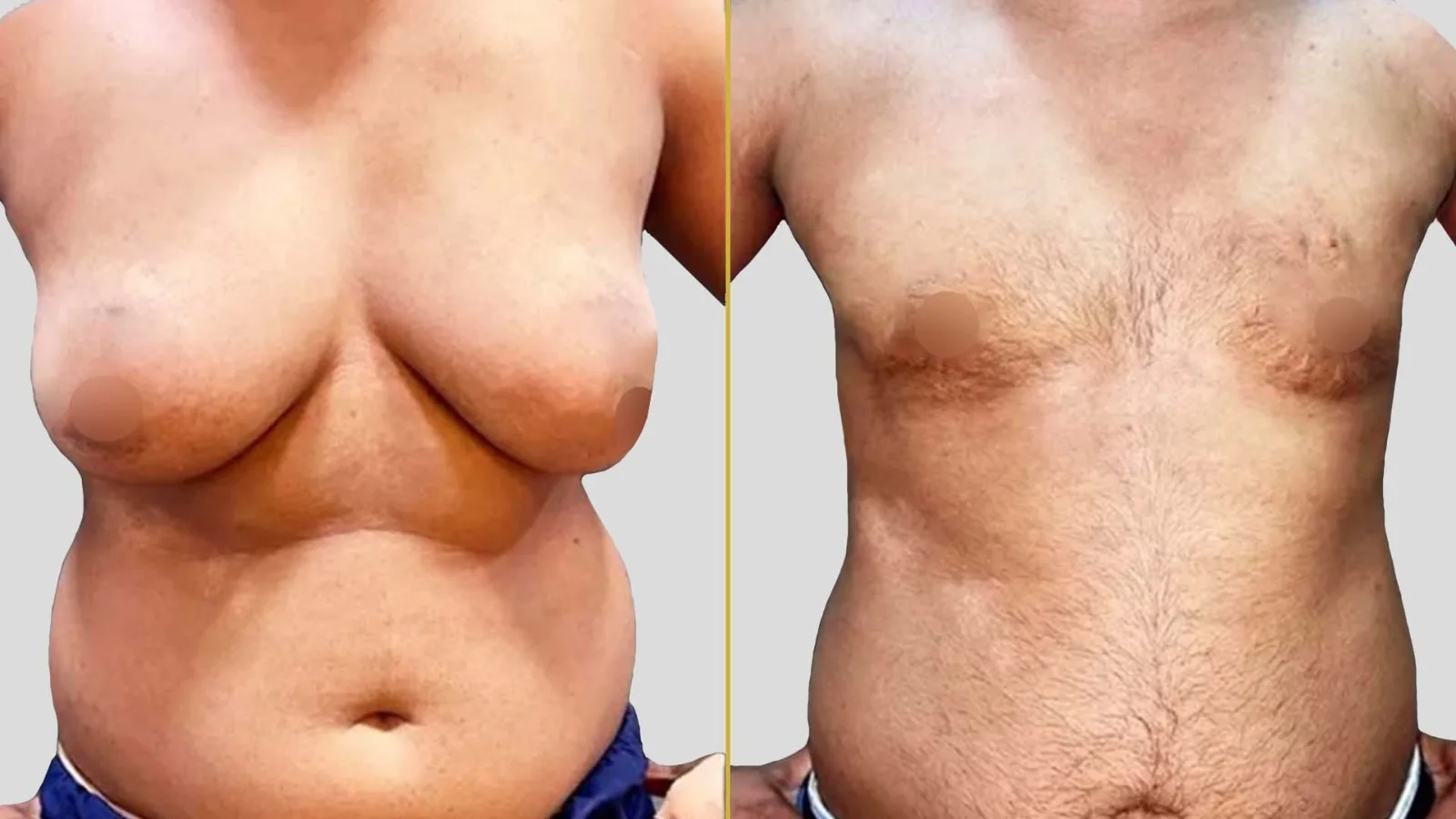
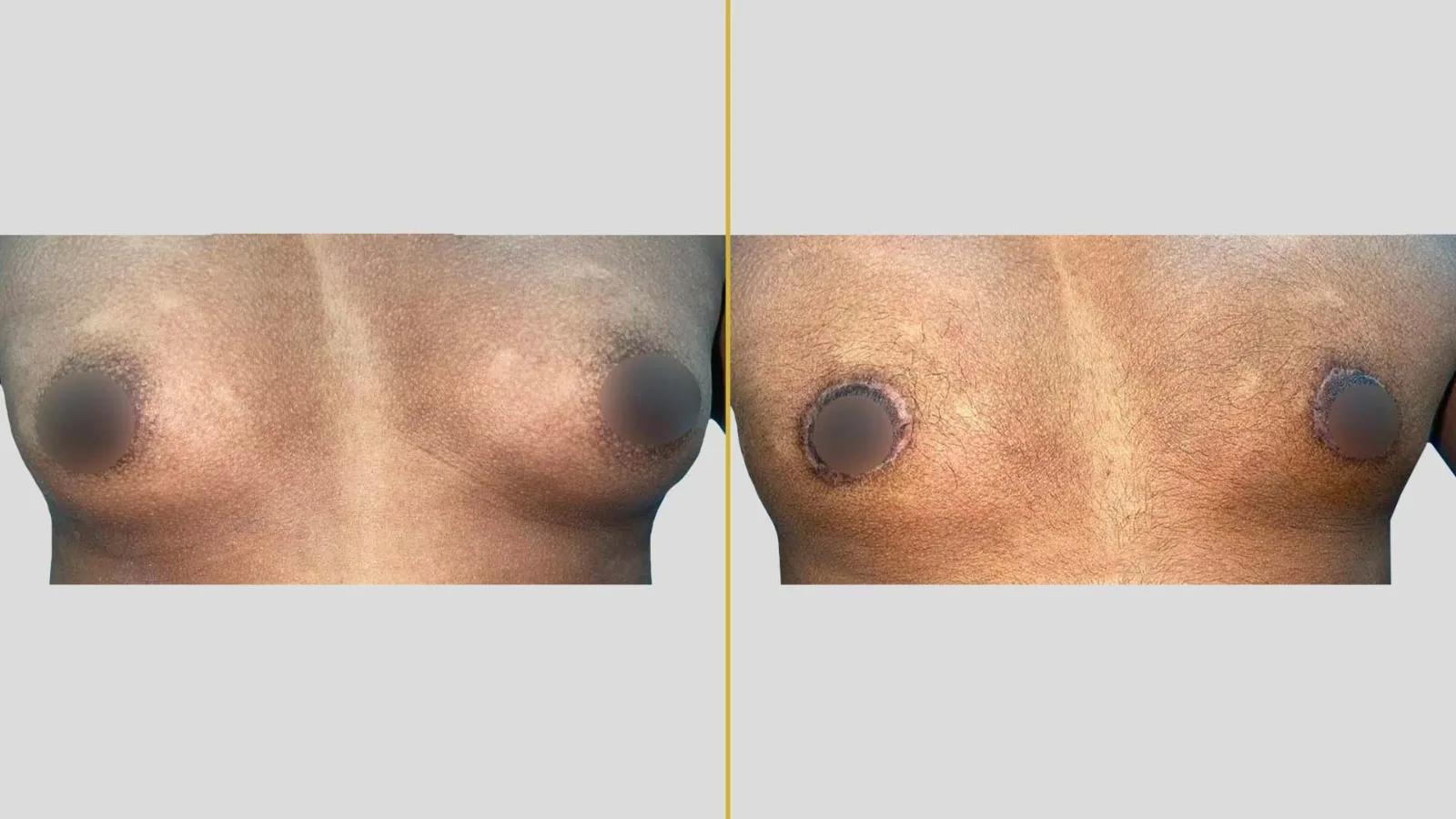
Before & After Transformations
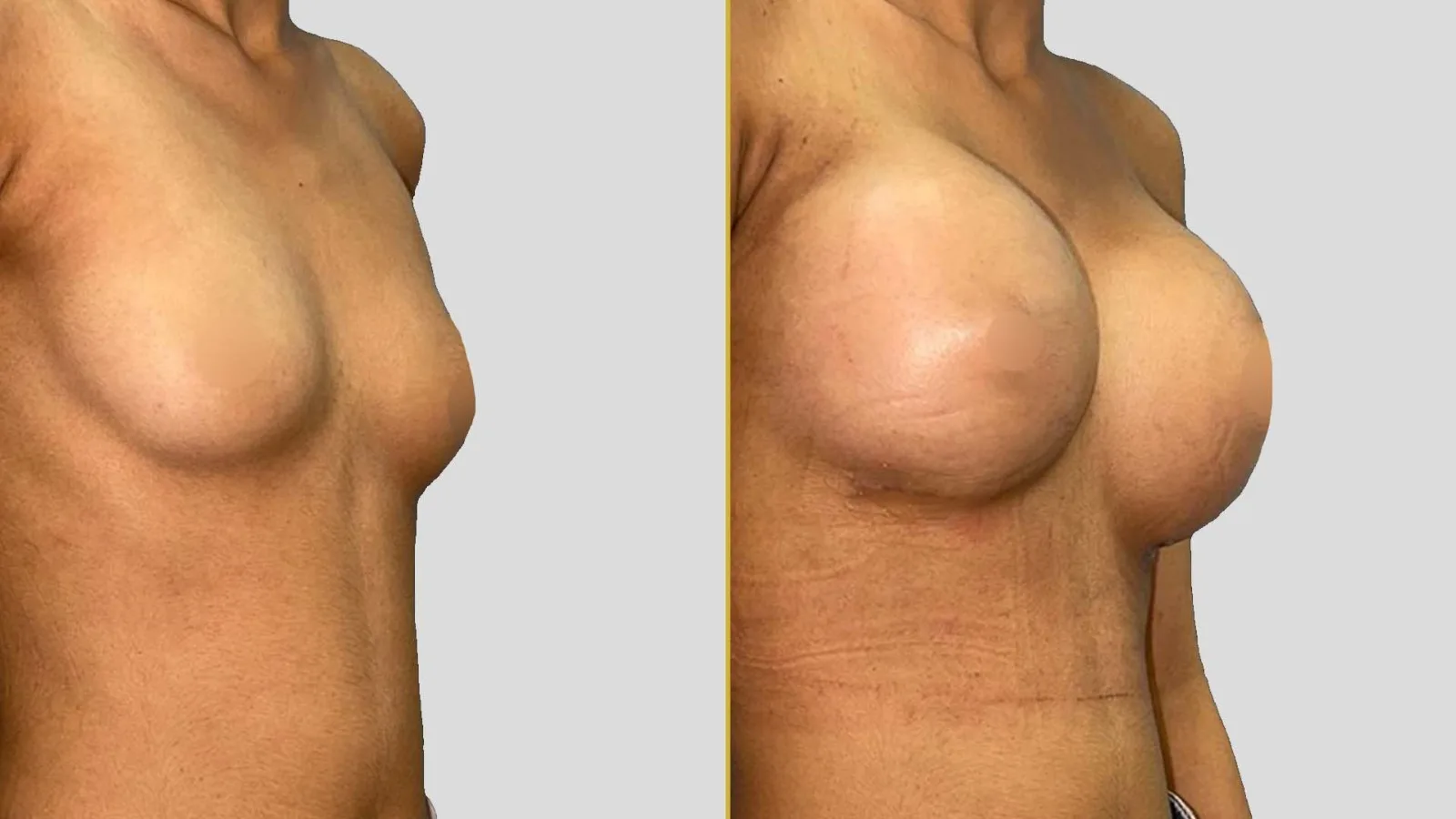
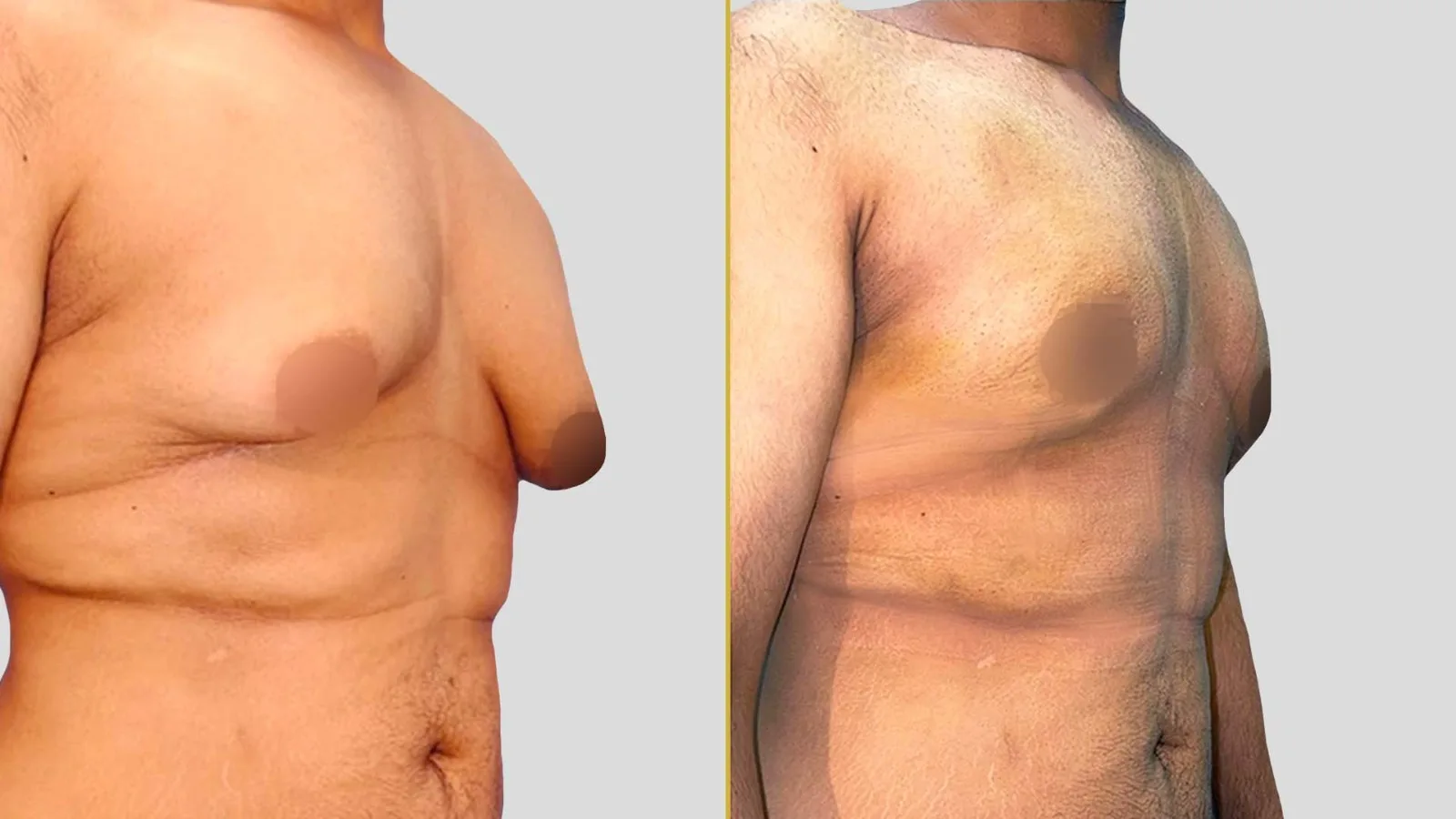
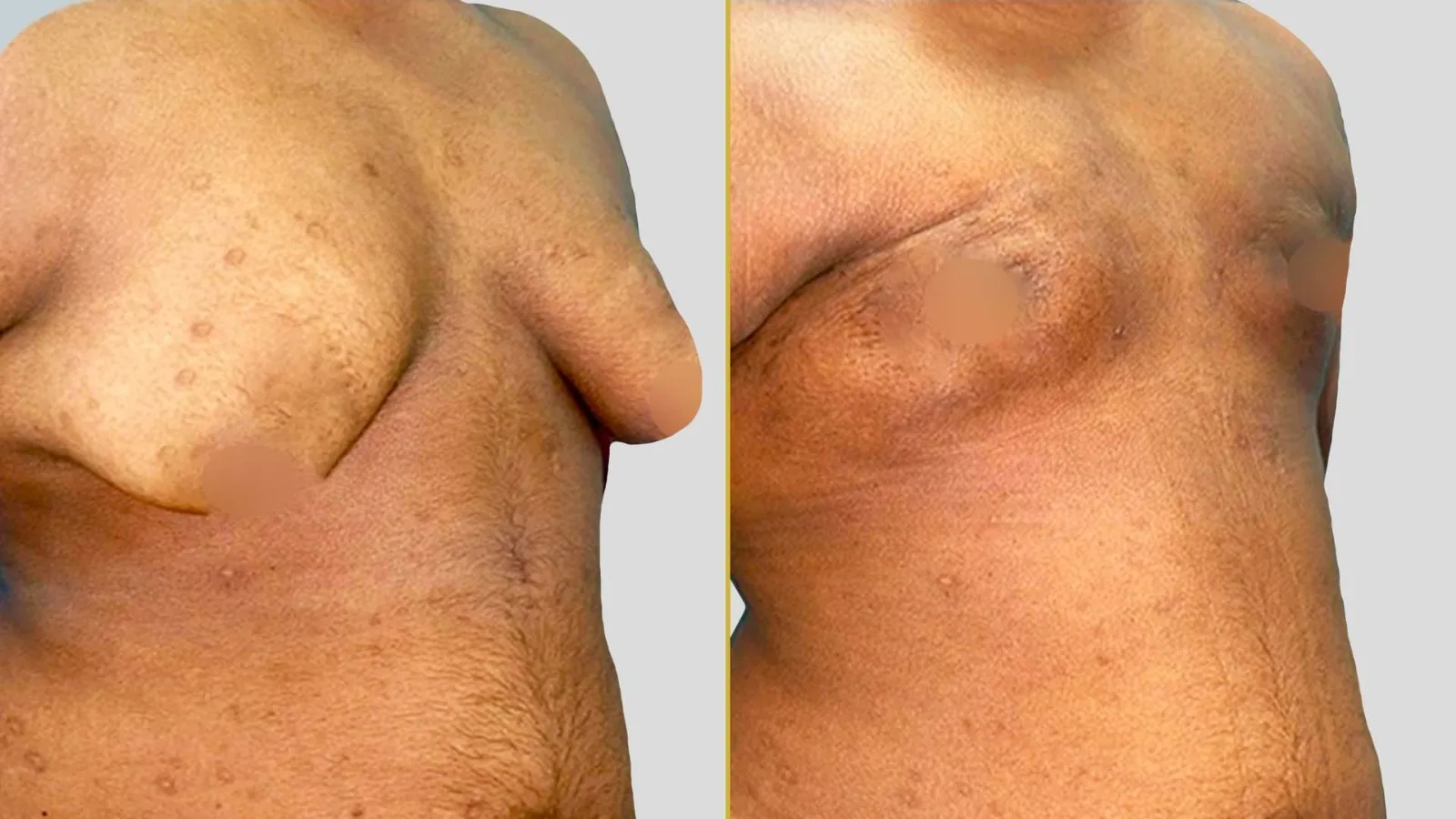
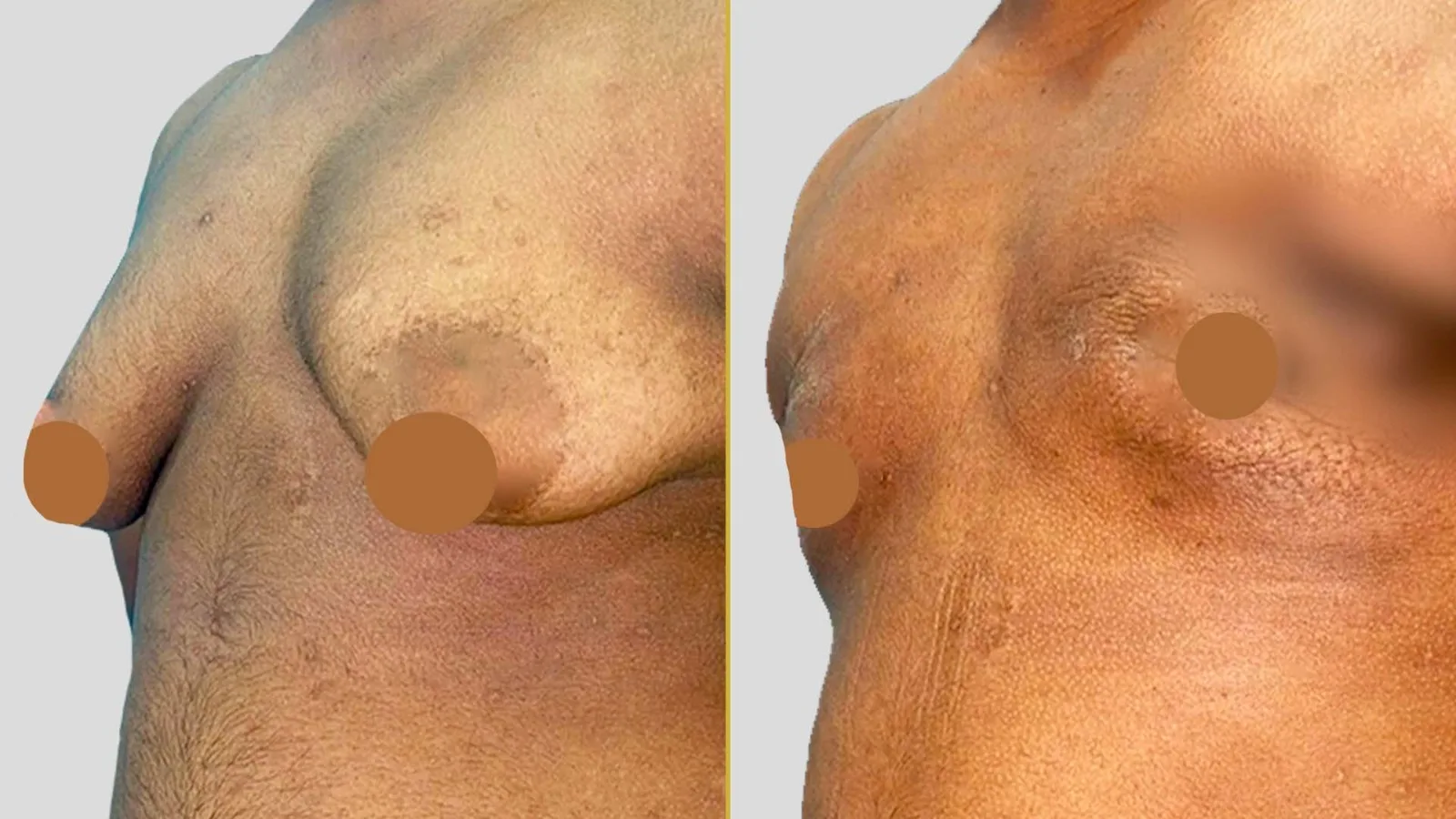
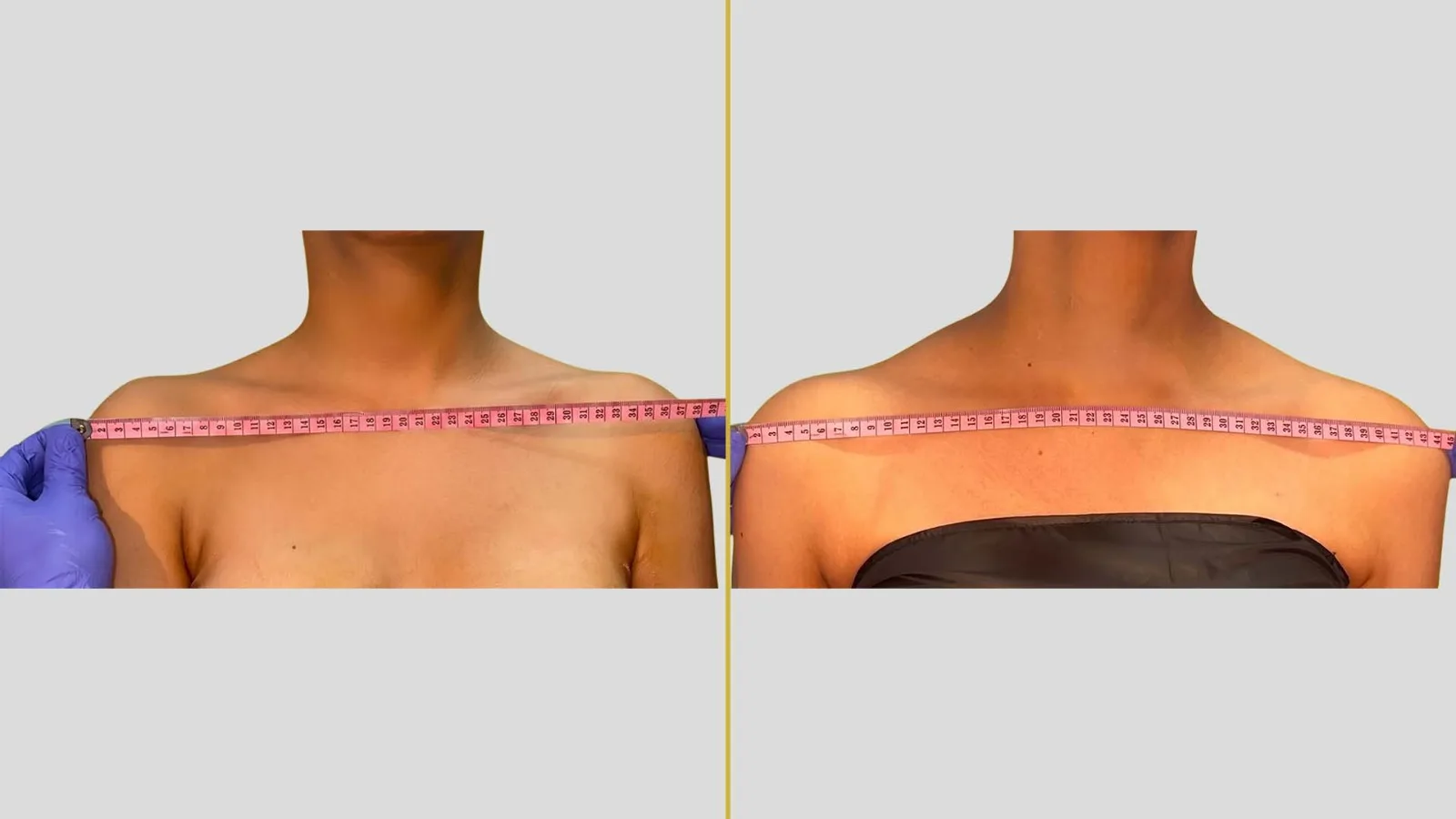
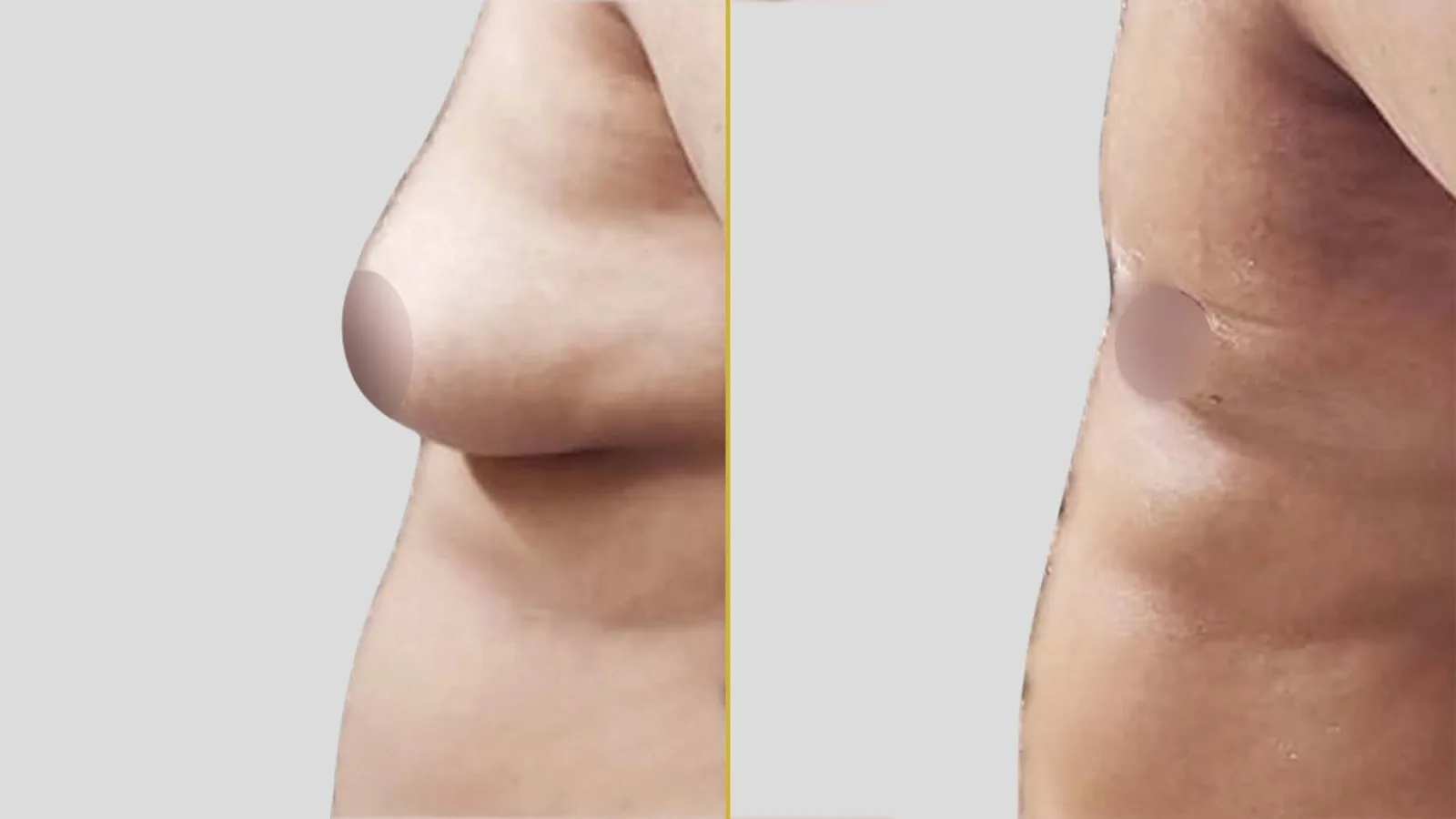
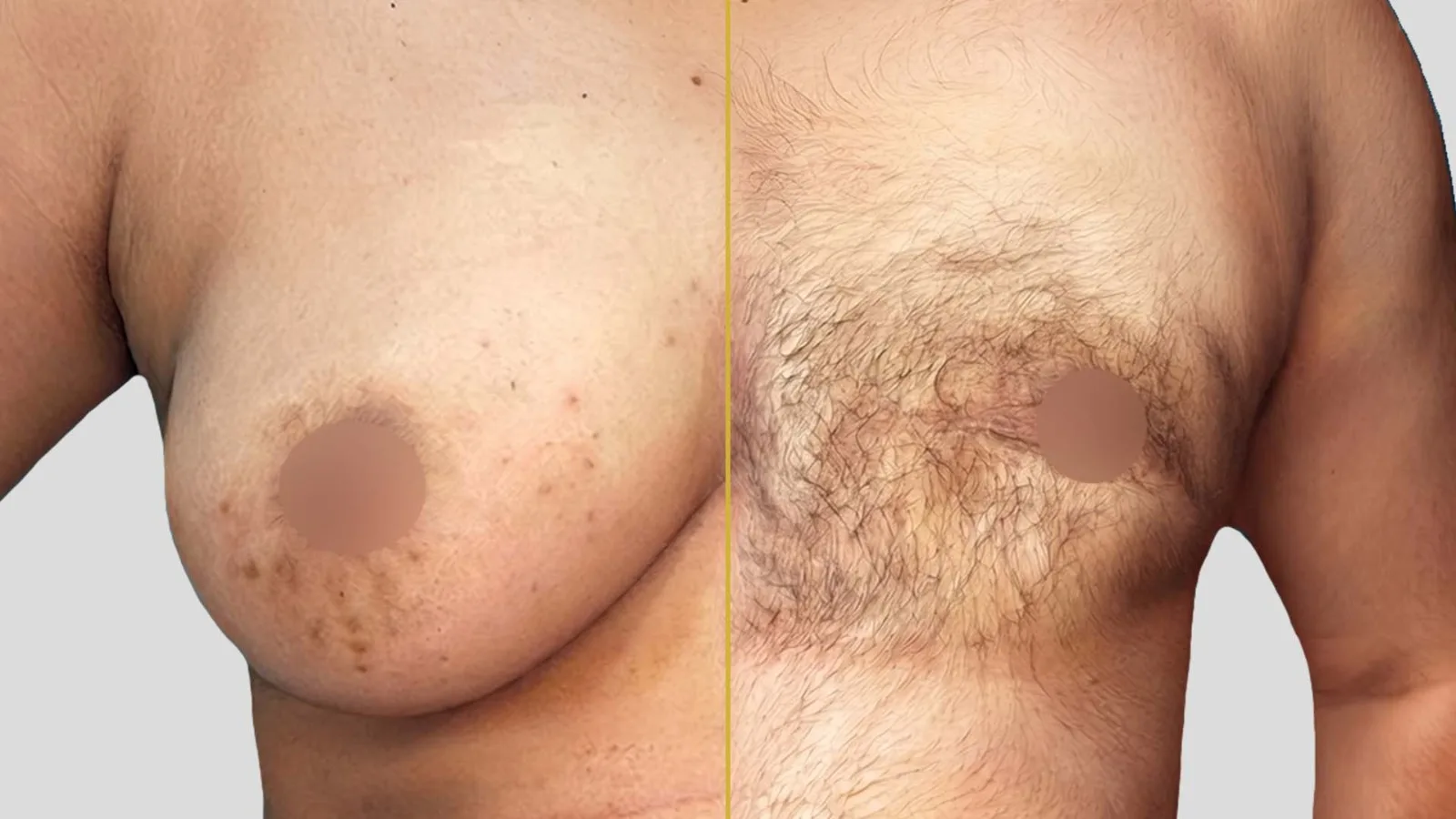
Frequently Asked Questions
Everything you need to know about Gender Reassignment. Still curious? Our team is one message away.
Does gender-affirming surgery affect fertility, and are the results permanent?
Some gender-affirming procedures can permanently affect fertility, and many surgical changes are intended to be permanent. Procedures involving removal of the ovaries or testes can affect the ability to produce eggs or sperm, so patients who may want biological children in the future should discuss fertility preservation before treatment. Surgical risks vary by procedure and can include bleeding, infection, healing problems, changes in sensation and procedure-specific complications.
How long does recovery take after gender-affirming surgery?
Recovery time depends greatly on the type and extent of surgery performed. Facial or chest procedures may require several weeks of healing, while genital reconstruction can involve a longer recovery period and more extensive aftercare. For example, some forms of vaginoplasty require regular dilation after surgery to maintain the vaginal canal. Patients should follow their surgeon’s wound-care, activity and follow-up instructions closely.
Who is a suitable candidate for gender-affirming surgery?
A suitable candidate is generally someone who has undergone a comprehensive medical assessment, understands the expected results and limitations of surgery, and is medically fit for the planned procedure. Eligibility requirements vary depending on the surgery, healthcare system and individual circumstances. The decision should be made through informed consent and detailed consultation with appropriately qualified healthcare professionals.
What procedures are included in gender-affirming surgery?
Gender-affirming surgery may include chest masculinization or breast augmentation, facial feminization or masculinization, vaginoplasty, vulvoplasty, phalloplasty, metoidioplasty and other genital or body-contouring procedures. Not every patient needs or wants every procedure, so treatment plans are created individually after consultation with an experienced multidisciplinary team.
What is gender reassignment surgery or gender-affirming surgery?
Gender-affirming surgery, sometimes searched as gender reassignment surgery, refers to surgical procedures that help align a person’s physical characteristics with their gender identity. Treatment is highly individualized and may involve chest surgery, genital surgery, facial procedures, body-contouring procedures or a combination of treatments depending on the patient’s goals.

Begin Your Gender Reassignment Journey
Book a consultation today and let our specialists craft a plan built entirely around you.