 Gender Reassignment
Depigmentation In Mumbai
Advanced treatments to effectively reduce hyperpigmentation and melasma.
Depigmentation Treatment in Mumbai
Uneven skin pigmentation is one of the most common dermatological concerns affecting individuals of all ages and skin types. Dark patches, sun spots, acne marks, melasma, freckles, post-inflammatory hyperpigmentation, and other pigmentary disorders can alter the skin's natural appearance, making the complexion appear uneven despite otherwise healthy skin. While pigmentation itself is usually harmless, it can significantly affect self-confidence and may indicate underlying biological or environmental factors that require medical evaluation.
Depigmentation Treatment is a personalized dermatological approach aimed at reducing excess melanin accumulation, improving skin tone uniformity, and restoring a healthier, clearer complexion. Unlike cosmetic products that temporarily mask pigmentation, evidence-based depigmentation treatments target the biological mechanisms responsible for excessive melanin production while preserving the skin's natural color and protective function.
Melanin is produced by specialized cells called melanocytes, which protect the skin against ultraviolet (UV) radiation. However, prolonged sun exposure, hormonal changes, inflammation, ageing, certain medications, genetics, and skin injuries can stimulate excessive or uneven melanin production. This leads to localized or diffuse hyperpigmentation that often requires individualized medical treatment.
Modern depigmentation therapy may involve medical-grade topical medications, chemical peels, laser treatments, intense pulsed light (IPL) in selected patients, microneedling, antioxidant therapies, oral medications where appropriate, and advanced pigment-regulating skincare. The ideal treatment plan depends on the underlying diagnosis, skin type, depth of pigmentation, and individual response to therapy.
At Hair & Shape Clinic, every Depigmentation treatment begins with a comprehensive dermatological assessment. Skin type, pigmentation pattern, medical history, hormonal influences, sun exposure, previous treatments, lifestyle factors, and treatment goals are carefully evaluated before developing a personalized management plan. Our objective is to safely reduce excess pigmentation, preserve healthy skin function, minimize recurrence, and achieve a naturally even complexion through evidence-based dermatological care.
What Is Depigmentation Treatment?
Depigmentation Treatment is a personalized medical approach designed to reduce excessive or uneven skin pigmentation by regulating melanin production and improving skin renewal.
Rather than changing an individual's natural skin color, treatment focuses on restoring a more even skin tone while maintaining healthy skin biology.
The primary goals of treatment include:
Reducing excess pigmentation.
Improving skin tone uniformity.
Enhancing skin clarity.
Promoting healthy skin renewal.
Preventing recurrence.
Protecting against further pigment formation.
Preserving natural skin health.
Treatment can be performed on multiple areas of the body affected by unwanted pigmentation.
Common treatment areas include:
Face.
Neck.
Chest.
Hands.
Arms.
Back.
Legs.
Underarms.
Elbows.
Knees.
Every treatment plan is individualized according to the underlying cause of pigmentation.
Why Does Hyperpigmentation Develop?
Hyperpigmentation develops when melanocytes produce excessive amounts of melanin or when pigment becomes unevenly distributed within the skin.
Ultraviolet (UV) Radiation
Sun exposure is one of the most common triggers for increased melanin production.
Hormonal Changes
Melasma commonly develops during pregnancy, with hormonal therapies, or due to endocrine influences.
Post-Inflammatory Hyperpigmentation
Acne, eczema, burns, injuries, cosmetic procedures, and skin irritation may leave persistent dark marks after healing.
Ageing
Slower skin renewal allows damaged pigmented cells to accumulate over time.
Genetics
Inherited factors influence susceptibility to freckles, melasma, and other pigmentation disorders.
Certain Medications
Some medications increase photosensitivity or alter pigment production.
Chronic Inflammation
Repeated skin irritation can stimulate melanocytes and prolong pigmentation.
Successful treatment depends on identifying and addressing these contributing factors.
Understanding Skin Pigmentation Biology
Depigmentation treatments target the biological pathways responsible for pigment production.
Epidermis
The epidermis is the outer layer of the skin where melanocytes are primarily located.
Melanocytes
Melanocytes produce melanin, the pigment responsible for natural skin color and UV protection.
Melanosomes
Melanin is packaged into microscopic structures called melanosomes before being transferred to surrounding skin cells.
Keratinocytes
Keratinocytes receive melanin from melanocytes and gradually migrate toward the skin surface during normal skin renewal.
Dermis
Some pigment disorders extend into the dermis, making treatment more complex and gradual.
Fibroblasts
Fibroblasts produce collagen and contribute to healthy skin repair during certain depigmentation treatments.
Understanding pigment biology allows treatment to target the underlying cause rather than simply lightening the surface of the skin.
How Does Depigmentation Treatment Improve Skin?
Modern depigmentation therapy combines pigment regulation with skin rejuvenation.
Benefits may include:
Reduced Melanin Production
Medical therapies help regulate excessive pigment formation.
Fading of Dark Spots
Existing pigmentation gradually becomes less visible.
More Even Complexion
The skin develops improved color uniformity.
Healthier Skin Renewal
Controlled skin turnover helps replace pigmented cells with healthier skin.
Improved Skin Texture
Some treatment modalities simultaneously stimulate collagen remodeling and smoother skin.
Better Skin Clarity
Reduction in pigmentation improves overall skin brightness and appearance.
Prevention of Future Pigmentation
Sun protection and maintenance therapy help minimize recurrence.
The objective is to restore healthy, naturally even skin rather than create an artificially lighter complexion.
Who Is a Good Candidate for Depigmentation Treatment?
Depigmentation Treatment may be suitable for healthy individuals experiencing unwanted pigmentation or uneven skin tone.
You may be a suitable candidate if you:
Have melasma.
Have post-acne pigmentation.
Have sun-induced pigmentation.
Have age spots.
Experience uneven skin tone.
Have realistic treatment expectations.
Are willing to use daily sun protection.
Are committed to long-term skincare.
Suitability depends on the cause, depth, and severity of pigmentation, along with your overall skin health.
What Conditions Can Depigmentation Treatment Address?
A personalized treatment plan may improve several pigmentation disorders.
Melasma
Hormone-related facial pigmentation requiring individualized management.
Post-Inflammatory Hyperpigmentation
Dark marks following acne, eczema, injuries, or inflammation.
Sun Spots
Pigmentation caused by chronic ultraviolet exposure.
Freckles
Selected patients may benefit from treatment depending on their skin type and goals.
Age Spots
Pigmented lesions associated with cumulative sun exposure and ageing.
Uneven Skin Tone
Generalized differences in skin pigmentation and complexion.
Personalized Depigmentation Planning
Every pigmentation disorder has a unique biological cause, making personalized treatment planning essential for achieving safe and long-lasting improvement. Skin type, melanin activity, pigmentation depth, hormonal influences, ultraviolet exposure, inflammatory skin conditions, genetics, previous treatments, lifestyle factors, and skincare habits all influence the most appropriate treatment strategy. Some individuals respond well to medical-grade topical therapy alone, while others benefit from a combination of chemical peels, laser treatments, microneedling, pigment-regulating skincare, and long-term sun protection.
At Hair & Shape Clinic, every Depigmentation treatment begins with a comprehensive dermatological assessment. Skin biology, pigmentation characteristics, medical history, environmental factors, and individual aesthetic goals are carefully evaluated before developing a personalized treatment plan. Our approach emphasizes accurate diagnosis, evidence-based therapies, skin barrier preservation, and long-term pigment control to achieve a naturally even, healthy complexion while maintaining the skin's protective function.
What Happens During Depigmentation Treatment?
Depigmentation Treatment is performed as an outpatient procedure using a personalized combination of medical therapies designed to reduce excess melanin production while preserving healthy skin. The exact treatment plan depends on the cause of pigmentation, its depth, the patient's skin type, previous treatments, and overall skin health. Since pigmentation develops through complex biological processes, successful treatment often requires multiple sessions along with a consistent home skincare regimen and strict sun protection.
A typical Depigmentation treatment includes the following stages.
Step 1: Comprehensive Skin Assessment
Every treatment begins with a detailed dermatological evaluation.
Your dermatologist assesses:
Skin type.
Pigmentation pattern.
Depth of pigmentation.
Distribution of pigmentation.
Melasma or post-inflammatory pigmentation.
Sun exposure history.
Hormonal influences.
Medical history.
Previous skincare or laser treatments.
Current medications.
Individual treatment goals.
This evaluation helps identify the underlying cause of pigmentation and guides the most appropriate treatment strategy.
Step 2: Skin Analysis and Treatment Planning
The affected areas are carefully examined.
Your personalized treatment plan may include:
Medical-grade topical therapies.
Chemical peels.
Laser treatments.
Microneedling.
Pigment-regulating skincare.
Antioxidant therapy.
Combination treatments.
The choice depends on the biological cause and severity of pigmentation.
Step 3: Skin Preparation
The treatment area is cleansed thoroughly.
Depending on the selected procedure, the skin may be prepared using specialized cleansing solutions or topical anesthetic creams to improve patient comfort.
Step 4: Treatment Delivery
The selected treatment is performed according to the individualized treatment plan.
This may involve:
Application of chemical peeling solutions.
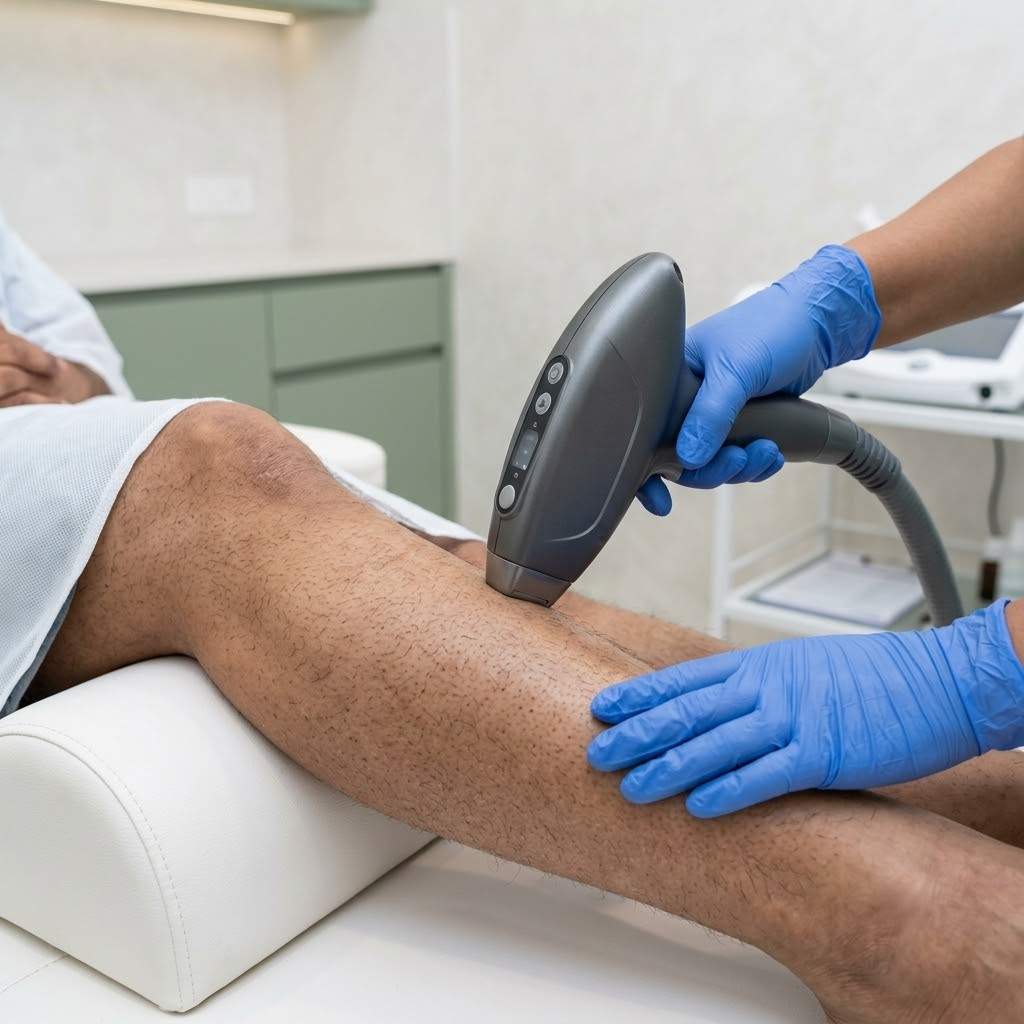
Delivery of laser energy.
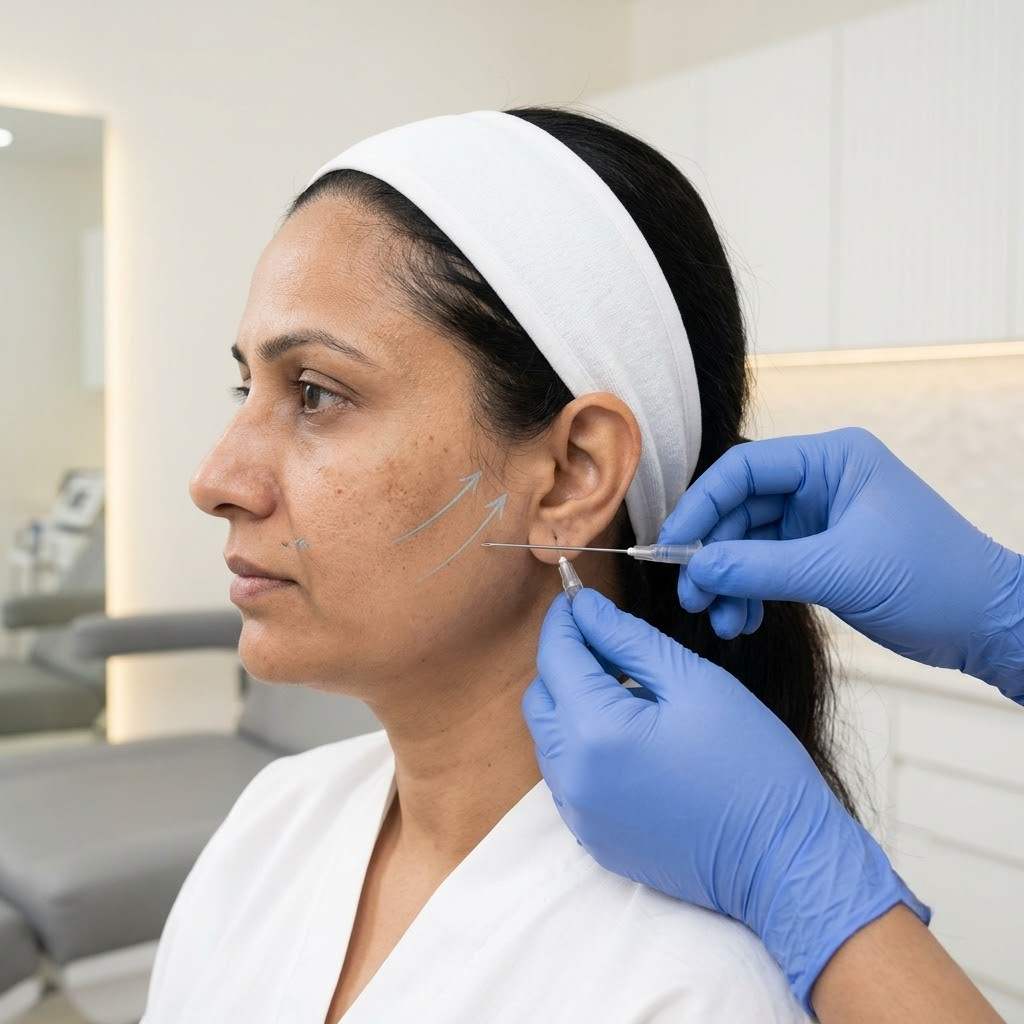
Microneedling procedures.
Application of specialized depigmenting agents.
Each treatment targets excess pigment while preserving surrounding healthy tissue.
Step 5: Biological Skin Renewal
Following treatment, the skin gradually begins its natural healing process.
Melanin regulation improves while healthy skin cell turnover gradually replaces pigmented cells with newer, healthier skin.
Step 6: Long-Term Maintenance
Patients receive individualized skincare recommendations, including sun protection and maintenance therapies to minimize recurrence and preserve treatment results.
Types of Depigmentation Treatments
Different treatment modalities are selected according to the type and depth of pigmentation.
Medical-Grade Topical Therapy
Prescription depigmenting agents help regulate melanin production while improving overall skin tone.
Chemical Peels
Controlled chemical exfoliation accelerates skin renewal and gradually reduces superficial pigmentation.
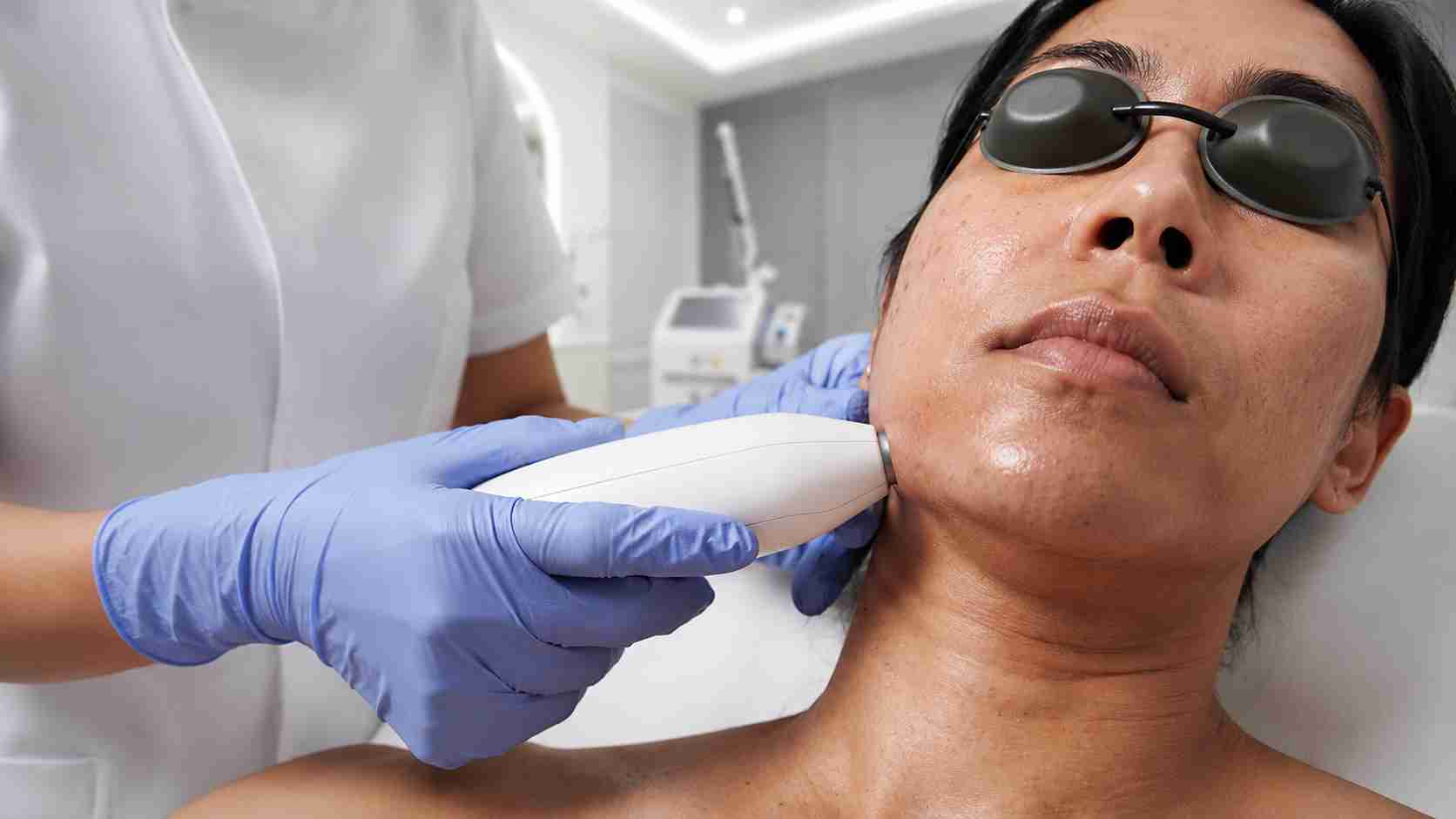
Laser Depigmentation
Specific laser systems selectively target excess pigment while preserving surrounding healthy skin.
Microneedling
Microneedling promotes controlled skin remodeling and may improve selected pigmentary disorders when incorporated into a comprehensive treatment plan.
Antioxidant Therapy
Topical and systemic antioxidants help reduce oxidative stress, which contributes to ongoing pigmentation.
Combination Therapy
Many patients benefit from combining multiple treatment approaches, including:
Medical-grade skincare.
Chemical peels.
Laser therapy.
Microneedling.
Sun protection programs.
Combination therapy often provides more predictable and longer-lasting outcomes than a single treatment alone.
What Results Can You Expect?
Depigmentation treatment produces gradual improvement rather than immediate skin lightening.
Reduction in Dark Spots
Excess pigmentation gradually fades with successive treatment sessions.
Improved Skin Tone
The complexion becomes more even and balanced.
Enhanced Skin Clarity
Healthy skin appears clearer and more uniform.
Better Skin Texture
Many treatment modalities simultaneously improve skin smoothness and overall quality.
Healthier Skin Function
Improved barrier function and controlled pigmentation contribute to healthier skin over the long term.
Long-Term Pigment Control
With proper maintenance, daily sun protection, and appropriate skincare, many patients achieve long-lasting improvement while reducing the likelihood of future pigmentation recurrence.
The degree of improvement depends on the underlying diagnosis, depth of pigmentation, treatment adherence, and individual biological response.
What Is Recovery Like After Depigmentation Treatment?
Recovery varies depending on the treatment modality used.
Immediately After Treatment
Patients may experience:
Mild redness.
Warmth.
Temporary skin sensitivity.
Mild swelling.
Tightness.
These effects are generally temporary.
During the First Few Days
Depending on the procedure performed, patients may notice:
Mild peeling.
Dryness.
Flaking.
Temporary darkening of treated pigmentation before fading.
These changes are usually part of the normal healing process.
Skin Care During Recovery
Patients are commonly advised to:
Apply broad-spectrum sunscreen daily.
Avoid excessive sun exposure.
Use gentle cleansers.
Maintain skin hydration.
Avoid harsh exfoliating products until healing is complete.
Follow the prescribed skincare regimen.
Long-Term Skin Care
Continued sun protection and maintenance therapy are essential to reduce the risk of pigmentation returning.
Are There Any Risks or Limitations?
Depigmentation treatments are generally considered safe when performed by experienced dermatologists using appropriate treatment protocols.
However, every medical procedure carries potential risks.
Possible temporary side effects include:
Redness.
Dryness.
Mild peeling.
Temporary irritation.
Skin sensitivity.
Temporary pigmentary changes.
Rare blistering after laser procedures.
Rare scarring.
Rare infection.
It is equally important to understand the limitations of treatment.
Pigmentation disorders such as melasma have a chronic tendency to recur, particularly with ongoing ultraviolet exposure or hormonal influences. Successful treatment often requires long-term maintenance, consistent skincare, and diligent sun protection. Complete pigment clearance cannot always be guaranteed, especially in deeper or long-standing pigmentation disorders.
How Much Does Depigmentation Treatment Cost in Mumbai?
The cost of Depigmentation Treatment depends on the type of pigmentation, treatment technology, number of treatment sessions, treatment area, and whether combination therapies are recommended.
Factors influencing treatment cost include:
Underlying pigmentation diagnosis.
Treatment modality.
Size of the treatment area.
Number of sessions required.
Combination procedures.
Medical-grade skincare products.
Follow-up care.
Following a comprehensive dermatological assessment, your specialist will recommend a personalized treatment plan and explain the anticipated treatment costs before therapy begins.
Why Choose Hair & Shape for Depigmentation Treatment?
Successful depigmentation requires more than simply reducing visible pigment. It demands an accurate diagnosis of the underlying pigment disorder, a thorough understanding of melanocyte biology, skin healing, laser physics, and long-term pigment regulation. Every treatment plan should be tailored to the patient's skin type, pigmentation pattern, and biological response to achieve effective improvement while preserving healthy skin.
At Hair & Shape Clinic, every Depigmentation treatment begins with a comprehensive dermatological assessment. Skin type, pigmentation characteristics, hormonal influences, environmental factors, medical history, and aesthetic goals are carefully evaluated before developing a personalized treatment plan. Our approach combines evidence-based dermatological therapies, advanced technologies, and individualized skincare strategies to improve pigmentation safely, restore an even complexion, and support long-term skin health.
Why Does Personalized Depigmentation Planning Matter?
Every pigmentation disorder behaves differently, making individualized treatment planning essential for achieving safe, predictable, and long-lasting results.
The Cause of Pigmentation Matters
Melasma, post-inflammatory hyperpigmentation, sun spots, freckles, and age spots each develop through different biological mechanisms and require different treatment strategies.
Skin Type Influences Treatment Selection
Skin tone affects the choice of lasers, chemical peels, topical therapies, and treatment intensity to minimize complications.
Pigmentation Depth Determines Treatment
Superficial pigmentation often responds differently from dermal pigmentation, influencing both treatment selection and expected recovery.
Combination Treatments May Produce Better Results
Many patients achieve superior outcomes by combining medical-grade skincare with laser treatments, chemical peels, microneedling, or antioxidant therapies.
Long-Term Maintenance Is Essential
Ongoing sun protection, appropriate skincare, and regular follow-up help preserve treatment results and reduce the risk of recurrence.
International Patients Seeking Depigmentation Treatment in Mumbai
Hair & Shape Clinic welcomes patients from across India and around the world seeking advanced treatment for pigmentation disorders and comprehensive skin rejuvenation.
Our international patient pathway is designed to provide personalized care before, during, and after your treatment.
Before You Travel
Virtual consultations, medical history review, photographs of the affected areas, and discussion of your skin concerns help determine the most appropriate treatment plan before your visit.
During Your Stay
Your treatment includes a comprehensive skin assessment, personalized depigmentation therapy, detailed aftercare guidance, and recommendations for long-term skincare and sun protection.
Returning Home
Follow-up consultations can often be conducted remotely. Continued guidance regarding skincare, maintenance treatments, sun protection, and progress monitoring helps support healthy healing and long-lasting pigment control wherever you live.
What to Expect
Consultation
A detailed assessment of your goals, suitability, and a personalised plan.
Preparation
Clear pre-treatment guidance so you arrive fully prepared and at ease.
The Procedure
Your treatment, performed by our specialists with comfort and safety first.
Aftercare
Structured recovery support and follow-ups to protect your results.
Frequently Asked Questions
Everything you need to know about Depigmentation. Still curious? Our team is one message away.
Before treatment, avoid excessive sun exposure, tanning, and harsh exfoliating products unless advised otherwise by your dermatologist. After treatment, follow the prescribed skincare routine, apply a broad-spectrum sunscreen with SPF 30 or higher every day, keep your skin well moisturized, and avoid picking or scratching treated areas. Proper aftercare helps support healing, reduces the risk of complications, and maximizes the effectiveness of your depigmentation treatment.
Results can be long-lasting when combined with proper skincare and daily sun protection. However, some conditions such as melasma have a tendency to recur due to hormonal changes or continued UV exposure. Using broad-spectrum sunscreen, following your dermatologist's skincare recommendations, and attending maintenance treatments when advised can help preserve your results.
Yes. Modern depigmentation treatments can be safely customized for most skin types when performed by an experienced dermatologist. Your skin tone, pigmentation pattern, medical history, and treatment goals are carefully evaluated to select the safest and most effective approach while minimizing the risk of side effects such as irritation or post-treatment pigmentation.
The number of sessions depends on the type and depth of pigmentation, your skin type, and the treatment method used. Superficial pigmentation may improve within a few sessions, while conditions such as melasma or post-inflammatory hyperpigmentation often require multiple treatments along with a long-term skincare and sun protection plan. Your dermatologist will recommend a personalized treatment schedule during your consultation.
Depigmentation treatment is a personalized dermatological approach designed to reduce excess melanin production and improve uneven skin tone. Depending on the underlying cause of pigmentation, treatment may include medical-grade topical medications, chemical peels, laser therapy, microneedling, or combination treatments. These therapies target excess pigment while promoting healthy skin renewal to achieve a clearer, more even complexion without changing your natural skin color.
Begin Your Depigmentation Journey
Book a consultation today and let our specialists craft a plan built entirely around you.