
 Gender Reassignment
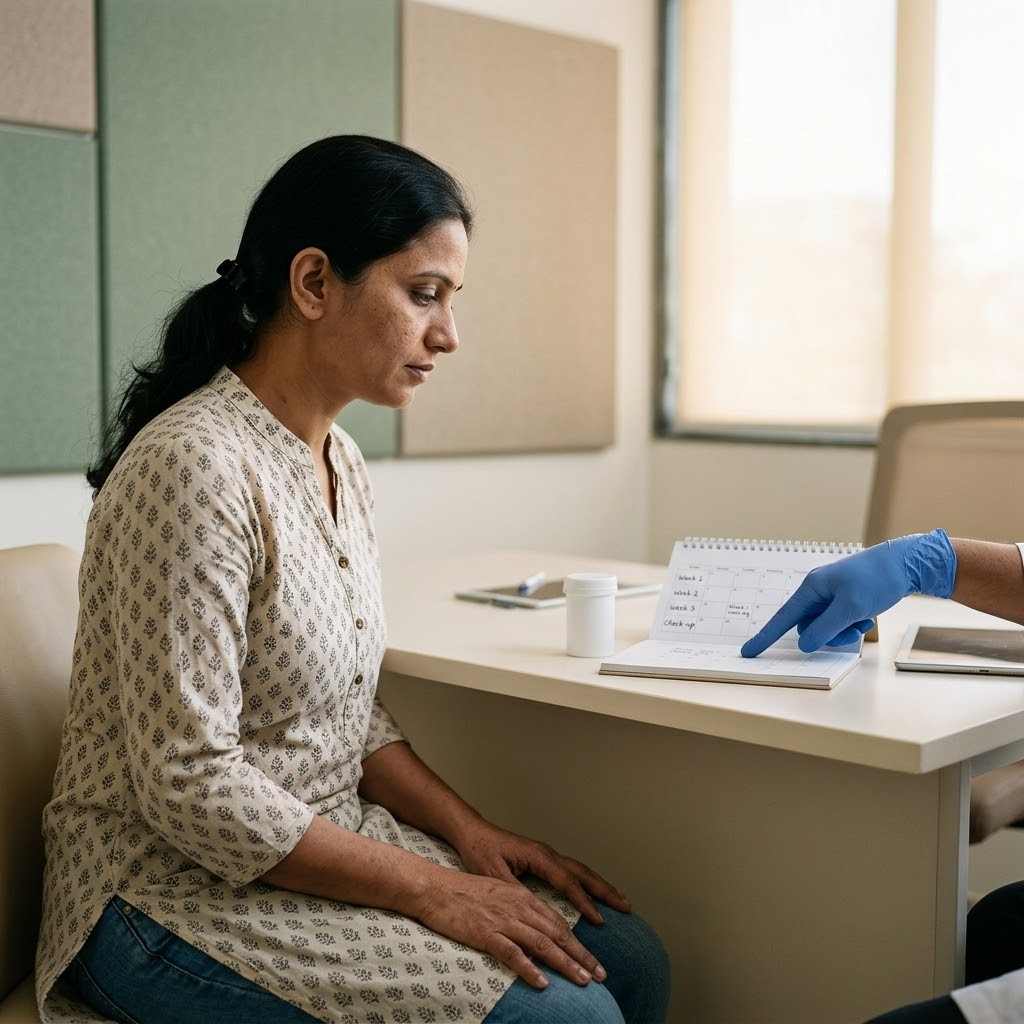
HIV & AIDS Management In Mumbai
Confidential diagnosis and ongoing treatment for HIV.
HIV and AIDS Management in Mumbai
Human Immunodeficiency Virus (HIV) is a chronic viral infection that attacks the body's immune system, specifically the CD4 T lymphocytes, which play a central role in defending the body against infections and certain cancers. If left untreated, HIV gradually weakens the immune system, increasing susceptibility to opportunistic infections and other serious medical conditions.
Acquired Immunodeficiency Syndrome (AIDS) is the most advanced stage of HIV infection. It develops when the immune system becomes severely compromised due to prolonged, untreated HIV infection. However, thanks to modern medicine, most individuals diagnosed with HIV today can prevent progression to AIDS through timely diagnosis, consistent treatment, and regular medical follow-up.
It is important to understand that HIV and AIDS are not the same condition. HIV refers to the virus itself, whereas AIDS describes the advanced stage of immune deficiency that may occur if HIV remains untreated.
Today, HIV is considered a manageable chronic medical condition rather than a life-limiting disease. With early diagnosis, antiretroviral therapy (ART), regular monitoring, and appropriate preventive care, many individuals living with HIV can enjoy long, healthy, and productive lives with life expectancies approaching those of the general population.
HIV is transmitted through specific body fluids, including blood, semen, vaginal fluids, rectal fluids, and breast milk. It is not transmitted through casual contact such as hugging, handshakes, sharing food, coughing, sneezing, or using common household items.
At Hair & Shape Clinic, HIV and AIDS Management begins with a confidential, respectful, and evidence-based medical evaluation. Every patient's health status, immune function, viral activity, associated medical conditions, medication history, and long-term health goals are carefully assessed before creating a personalized management plan. Our approach focuses on early diagnosis, viral suppression, immune preservation, prevention of complications, and ongoing support through comprehensive long-term care.
What Are HIV and AIDS?
Human Immunodeficiency Virus (HIV) is a virus that gradually weakens the immune system by infecting and destroying CD4 T lymphocytes, which help protect the body against infections.
Without treatment, HIV continues to multiply inside the body, progressively reducing the number of healthy immune cells.
When the immune system becomes severely weakened, the individual becomes vulnerable to infections and cancers that rarely affect people with healthy immunity.
This advanced stage is known as Acquired Immunodeficiency Syndrome (AIDS).
Modern antiretroviral therapy can effectively suppress HIV replication, allowing the immune system to recover and significantly reducing the risk of developing AIDS.
Many individuals receiving consistent treatment never develop AIDS.
How Does HIV Affect the Body?
HIV primarily targets the immune system.
Several biological processes occur following infection.
Infection of CD4 T Cells
The virus enters CD4 T lymphocytes and uses these cells to replicate itself.
Viral Replication
Millions of new viral particles may be produced daily if treatment is not initiated.
Progressive Immune Damage
Over time, repeated viral replication reduces the number of functioning CD4 cells.
Increased Risk of Opportunistic Infections
As immunity weakens, the body becomes more susceptible to infections that healthy immune systems usually control.
Chronic Inflammation
Even during early stages, untreated HIV causes persistent immune activation and inflammation throughout the body.
Development of AIDS
If immune function declines significantly, severe infections, certain cancers, and life-threatening complications may develop.
Early diagnosis interrupts this process by allowing prompt initiation of antiretroviral therapy.
Understanding the Immune System
Understanding the immune system helps explain why HIV management focuses on preserving immune function.
CD4 T Lymphocytes
These white blood cells coordinate many immune responses and help protect against bacteria, viruses, fungi, and parasites.
CD8 T Cells
These immune cells help destroy virus-infected cells and work alongside CD4 cells.
Lymph Nodes
Lymph nodes are important sites where immune cells communicate and respond to infections.
Bone Marrow
Bone marrow continuously produces new blood and immune cells.
Viral Load
Viral load measures the amount of HIV present in the bloodstream.
Lower viral loads indicate better control of infection.
CD4 Count
The CD4 count measures immune strength and helps guide treatment decisions and monitor recovery.
Understanding these components allows healthcare providers to monitor treatment effectiveness and overall immune health.
How Does HIV Treatment Improve Health?
Modern HIV management aims to suppress viral replication, protect immune function, and prevent disease progression.
Benefits include:
Viral Suppression
Antiretroviral therapy dramatically reduces the amount of HIV in the bloodstream.
Immune Recovery
As viral replication decreases, CD4 cell counts often improve.
Prevention of AIDS
Consistent treatment significantly reduces the risk of progressing to AIDS.
Reduced Risk of Opportunistic Infections
Improved immune function protects against many serious infections.
Better Long-Term Health
Effective HIV management lowers the risk of several HIV-related complications affecting multiple organs.
Prevention of HIV Transmission
Individuals who achieve and maintain an undetectable viral load through consistent treatment do not sexually transmit HIV. This concept is known as Undetectable = Untransmittable (U=U) and is supported by extensive scientific evidence.
Rather than simply treating symptoms, modern HIV care focuses on lifelong viral suppression and preservation of immune health.
Who Should Seek HIV Evaluation and Management?
Anyone diagnosed with HIV should receive prompt medical evaluation.
Individuals may also benefit from HIV testing and consultation if they:
Have received a positive HIV screening test.
Have been exposed to HIV through unprotected sexual contact.
Have shared needles or injection equipment.
Have had occupational exposure to blood.
Have a sexual partner living with HIV.
Experience symptoms suggestive of acute HIV infection.
Require ongoing HIV monitoring or treatment.
Wish to discuss HIV prevention strategies, including PrEP or PEP.
Early diagnosis remains one of the most important factors influencing long-term health outcomes.
What Conditions Are Addressed During HIV and AIDS Management?
Comprehensive HIV care extends beyond viral suppression.
Management includes:
Newly Diagnosed HIV Infection
Early diagnosis followed by prompt treatment initiation.
Chronic HIV Infection
Long-term viral suppression and immune monitoring.
Advanced HIV Disease
Management of severe immune suppression and associated complications.
AIDS
Treatment of advanced immune deficiency alongside management of opportunistic infections.
Opportunistic Infections
Diagnosis, treatment, and prevention of infections associated with weakened immunity.
Medication Monitoring
Regular assessment of treatment effectiveness, side effects, and medication adherence.
Preventive Healthcare
Vaccinations, cancer screening, cardiovascular risk assessment, sexual health counseling, and overall wellness form an important part of comprehensive HIV care.
Personalized HIV and AIDS Management Planning
Every individual living with HIV has unique medical, psychological, and social needs. The stage of infection, viral load, CD4 count, associated medical conditions, current medications, lifestyle, mental health, treatment history, and future health goals all influence long-term management. Some patients are newly diagnosed and require immediate treatment initiation, while others need optimization of existing therapy or management of advanced disease and related complications.
At Hair & Shape Clinic, HIV and AIDS Management begins with a confidential, compassionate, and comprehensive medical evaluation. Immune status, viral activity, laboratory investigations, medication history, associated infections, overall health, and long-term treatment goals are carefully reviewed before creating a personalized care plan. Our evidence-based approach focuses on sustained viral suppression, immune preservation, prevention of complications, routine health monitoring, medication adherence, and supporting patients in maintaining a healthy and fulfilling life while living with HIV.
What Happens During HIV and AIDS Management?
HIV management is a lifelong, evidence-based medical process focused on achieving sustained viral suppression, preserving immune function, preventing complications, and helping individuals maintain long-term health. Every treatment plan is personalized according to the stage of infection, immune status, associated medical conditions, and the patient's overall health goals.
Modern HIV care combines medication, regular laboratory monitoring, preventive healthcare, lifestyle counseling, and continuous follow-up.
A typical HIV and AIDS Management program includes the following stages.
Step 1: Comprehensive Medical Assessment
Every management plan begins with a detailed medical evaluation.
Your healthcare provider assesses:
HIV diagnosis and stage.
Medical history.
Current symptoms.
CD4 count.
Viral load.
Previous HIV treatment.
Drug resistance history, if applicable.
Current medications.
Associated medical conditions.
Vaccination status.
Mental health.
Lifestyle factors.
Sexual health.
Nutritional status.
This assessment forms the foundation of an individualized treatment plan.
Step 2: Baseline Laboratory Investigations
Several investigations help determine immune function and overall health.
These commonly include:
HIV viral load.
CD4 cell count.
Complete blood count.
Liver function tests.
Kidney function tests.
Blood sugar evaluation.
Lipid profile.
Screening for hepatitis B and C.
Tuberculosis screening.
Sexually transmitted infection screening where appropriate.
Regular laboratory monitoring helps evaluate treatment effectiveness over time.
Step 3: Initiation or Optimization of Antiretroviral Therapy (ART)
Antiretroviral therapy is the cornerstone of HIV treatment.
Modern ART combines multiple medications that suppress viral replication while reducing the likelihood of drug resistance.
Treatment is recommended for nearly all individuals diagnosed with HIV regardless of CD4 count.
Step 4: Monitoring Treatment Response
Following treatment initiation, regular follow-up evaluates:
Viral suppression.
CD4 recovery.
Medication adherence.
Side effects.
Drug interactions.
Overall health.
Treatment may be adjusted when clinically necessary.
Step 5: Long-Term Comprehensive Care
Successful HIV management extends far beyond medication.
Long-term care includes:
Preventive healthcare.
Vaccinations.
Cancer screening.
Cardiovascular risk assessment.
Bone health monitoring.
Mental health support.
Nutritional counseling.
Sexual health guidance.
Regular medical follow-up.
Components of HIV and AIDS Management
Modern HIV care includes several evidence-based approaches that work together to improve long-term health.
Antiretroviral Therapy (ART)
ART suppresses HIV replication, allowing the immune system to recover and preventing progression to AIDS.
Consistent daily treatment remains the most important aspect of HIV care.
Viral Load Monitoring
Regular viral load testing measures how effectively treatment is controlling the virus.
The goal is to achieve and maintain an undetectable viral load.
CD4 Count Monitoring
Periodic CD4 testing evaluates immune recovery and helps guide preventive care.
Opportunistic Infection Prevention
Individuals with significantly weakened immunity may require preventive medications to reduce the risk of serious infections until immune recovery occurs.
Vaccination Programs
Appropriate immunizations help reduce the risk of preventable infections while considering individual immune status.
Lifestyle and Preventive Care
Healthy nutrition, regular physical activity, smoking cessation, responsible alcohol use, stress management, and adequate sleep all contribute to better long-term outcomes.
Multidisciplinary Care
Some individuals benefit from coordinated care involving infectious disease specialists, dermatologists, nutritionists, psychologists, and other healthcare professionals depending on their medical needs.
What Results Can You Expect?
Modern HIV treatment has transformed the long-term outlook for people living with HIV.
With consistent medical care and good medication adherence, most patients can expect:
Viral Suppression
Most individuals achieve undetectable viral loads within several months of starting effective therapy.
Immune Recovery
CD4 cell counts often improve significantly, strengthening the body's ability to fight infections.
Prevention of AIDS
Early and continuous treatment dramatically reduces the likelihood of progression to AIDS.
Reduced Risk of Opportunistic Infections
Improved immune function lowers the risk of many serious infections.
Better Overall Health
Effective HIV treatment supports long-term cardiovascular, neurological, kidney, liver, and metabolic health.
Normal Life Expectancy
Many individuals who receive early diagnosis, maintain consistent treatment, and attend regular follow-up appointments can expect life expectancies approaching those of people without HIV.
Prevention of HIV Transmission
Individuals who consistently maintain an undetectable viral load through treatment do not sexually transmit HIV, reinforcing the principle of Undetectable = Untransmittable (U=U).
What Is Long-Term Care Like?
HIV is a chronic condition that requires lifelong management rather than short-term treatment.
Medication Adherence
Daily antiretroviral therapy should be taken exactly as prescribed to maintain viral suppression.
Regular Medical Follow-Up
Routine consultations help monitor treatment response, detect complications early, and optimize long-term care.
Laboratory Monitoring
Periodic viral load and CD4 testing remain essential throughout treatment.
Healthy Lifestyle
Maintaining a balanced diet, regular exercise, good sleep, stress management, and avoiding tobacco contribute to better health outcomes.
Mental Health Support
Living with a chronic medical condition can affect emotional well-being.
Access to counseling or psychological support may benefit many individuals.
Are There Any Risks or Limitations?
Modern antiretroviral therapy is highly effective and generally well tolerated.
However, like all medications, treatment may produce side effects in some individuals.
Possible temporary or medication-related effects may include:
Nausea.
Headache.
Fatigue.
Sleep disturbances.
Gastrointestinal discomfort.
Liver or kidney function changes.
Lipid abnormalities depending on the medication used.
Regular medical monitoring helps identify and manage these issues promptly.
It is equally important to understand the limitations of current treatment.
There is presently no definitive cure for HIV. Antiretroviral therapy controls viral replication but does not completely eliminate the virus from the body. Lifelong treatment remains essential for maintaining viral suppression, preserving immune function, and preventing disease progression.
How Much Does HIV and AIDS Management Cost in Mumbai?
The cost of HIV management varies depending on the individual's medical condition, laboratory investigations, medication regimen, follow-up requirements, and associated medical conditions.
Factors influencing overall cost include:
Initial medical evaluation.
Laboratory investigations.
Antiretroviral medications.
Viral load testing.
CD4 monitoring.
Screening for associated infections.
Preventive medications when required.
Long-term follow-up consultations.
Following a comprehensive medical assessment, an individualized management plan is developed and the anticipated treatment pathway and associated costs are discussed.
Why Choose Hair & Shape for HIV and AIDS Management?
Effective HIV care requires more than prescribing medication. It demands a comprehensive understanding of infectious diseases, immunology, long-term chronic disease management, preventive healthcare, medication safety, and compassionate patient-centered care. Successful outcomes depend on early diagnosis, individualized treatment selection, careful monitoring, and ongoing support throughout every stage of management.
At Hair & Shape Clinic, HIV and AIDS Management begins with a confidential and comprehensive medical evaluation. Immune function, viral load, associated medical conditions, treatment history, lifestyle factors, and long-term health goals are carefully assessed before developing a personalized management plan. Our evidence-based approach focuses on sustained viral suppression, preservation of immune health, prevention of complications, patient education, and continuous long-term follow-up to help individuals live healthy, productive, and fulfilling lives.
Why Does Personalized HIV Management Matter?
Every individual living with HIV has unique medical needs, making personalized care essential for achieving the best long-term outcomes.
Immune Status Varies Between Individuals
CD4 counts, viral loads, and overall immune function differ significantly from one patient to another, influencing treatment priorities.
Medication Selection Must Be Individualized
Treatment regimens are selected based on medical history, possible drug interactions, pregnancy status, resistance patterns, kidney and liver function, and lifestyle considerations.
Associated Medical Conditions Require Integrated Care
Conditions such as diabetes, hypertension, hepatitis, tuberculosis, or cardiovascular disease may influence long-term management.
Lifelong Monitoring Improves Outcomes
Regular follow-up enables early detection of medication side effects, treatment failure, and new health concerns while supporting continued viral suppression.
Patient Education Supports Long-Term Success
Understanding medication adherence, prevention strategies, healthy lifestyle choices, and routine monitoring empowers patients to actively participate in their own long-term healthcare.
International Patients Seeking HIV and AIDS Management in Mumbai
Hair & Shape Clinic welcomes patients from India and abroad seeking confidential, evidence-based HIV care and long-term medical management.
Our international patient pathway is designed to provide personalized support before, during, and after your visit.
Before You Travel
Virtual consultations, review of previous laboratory reports, medication history, and discussion of your current health status help plan your medical care before arrival.
During Your Stay
Your care includes a comprehensive medical evaluation, laboratory review, individualized treatment planning, counseling regarding antiretroviral therapy, preventive healthcare recommendations, and education on long-term disease management.
Returning Home
Follow-up consultations can often be conducted remotely. Continued guidance regarding medication adherence, laboratory monitoring, preventive care, lifestyle measures, and routine medical follow-up helps support sustained viral suppression, immune health, and long-term well-being wherever you live.
What to Expect
Consultation
A detailed assessment of your goals, suitability, and a personalised plan.
Preparation
Clear pre-treatment guidance so you arrive fully prepared and at ease.
The Procedure
Your treatment, performed by our specialists with comfort and safety first.
Aftercare
Structured recovery support and follow-ups to protect your results.
Frequently Asked Questions
Everything you need to know about HIV & AIDS Management. Still curious? Our team is one message away.
Anyone who has had unprotected sex, shared needles, been exposed to HIV through blood or body fluids, or has symptoms suggestive of HIV should consider getting tested. Routine HIV screening is also recommended for sexually active individuals and people at higher risk of infection. Early testing enables prompt treatment, protects your health, and helps prevent transmission to others.
HIV is diagnosed through laboratory testing. Depending on the timing of exposure, your doctor may recommend an HIV antigen/antibody test, an antibody test, or a nucleic acid test (NAT). If you think you may have been exposed to HIV, getting tested as soon as possible and following your healthcare provider's recommendations for repeat testing, if needed, are essential for early diagnosis and treatment.
Yes. Although there is currently no cure for HIV, it can be effectively managed with antiretroviral therapy (ART). When taken consistently, ART suppresses the virus to undetectable levels, protects the immune system, prevents progression to AIDS, and allows people living with HIV to lead long, healthy lives. Individuals who achieve and maintain an undetectable viral load cannot sexually transmit HIV to their partners (Undetectable = Untransmittable, or U=U).
Many people experience no symptoms during the early stages of HIV. Others may develop flu-like symptoms within 2 to 4 weeks after infection, including fever, sore throat, swollen lymph nodes, fatigue, rash, muscle aches, and headache. Because these symptoms are not specific to HIV, the only reliable way to know your HIV status is through an HIV test.
HIV (Human Immunodeficiency Virus) is a virus that attacks the immune system, specifically CD4 cells, making it harder for the body to fight infections. AIDS (Acquired Immunodeficiency Syndrome) is the most advanced stage of HIV infection, which occurs when the immune system becomes severely weakened. With early diagnosis and effective antiretroviral therapy (ART), many people with HIV never develop AIDS and can live long, healthy lives.

Begin Your HIV & AIDS Management Journey
Book a consultation today and let our specialists craft a plan built entirely around you.