 Gender Reassignment
Inverted Nipple In Mumbai
Surgical correction for inverted or retracted nipples.
Inverted Nipple Correction Surgery in Mumbai
The nipple plays an important role in both the appearance and function of the breast. While nipple shape varies naturally among individuals, some women and men have nipples that point inward instead of projecting outward. This condition, known as an inverted nipple, may be present from birth or develop later in life due to ageing, breastfeeding, trauma, infection, or underlying medical conditions.
For many individuals, inverted nipples are primarily a cosmetic concern that affects body confidence and self-image. However, depending on the severity, nipple inversion may also create difficulties with breastfeeding, maintaining nipple hygiene, or cause recurrent irritation and infections due to moisture becoming trapped within the inverted tissue.
Inverted Nipple Correction Surgery is a minimally invasive procedure designed to restore the natural outward projection of one or both nipples while preserving breast aesthetics. Modern surgical techniques focus on correcting the structures that pull the nipple inward while maintaining blood supply, minimizing scarring, and, whenever possible, preserving the milk ducts and nipple sensation.
Not every inverted nipple requires surgery. Mild cases may respond to non-surgical techniques, while more severe or long-standing inversions often require surgical correction to achieve stable, long-lasting results.
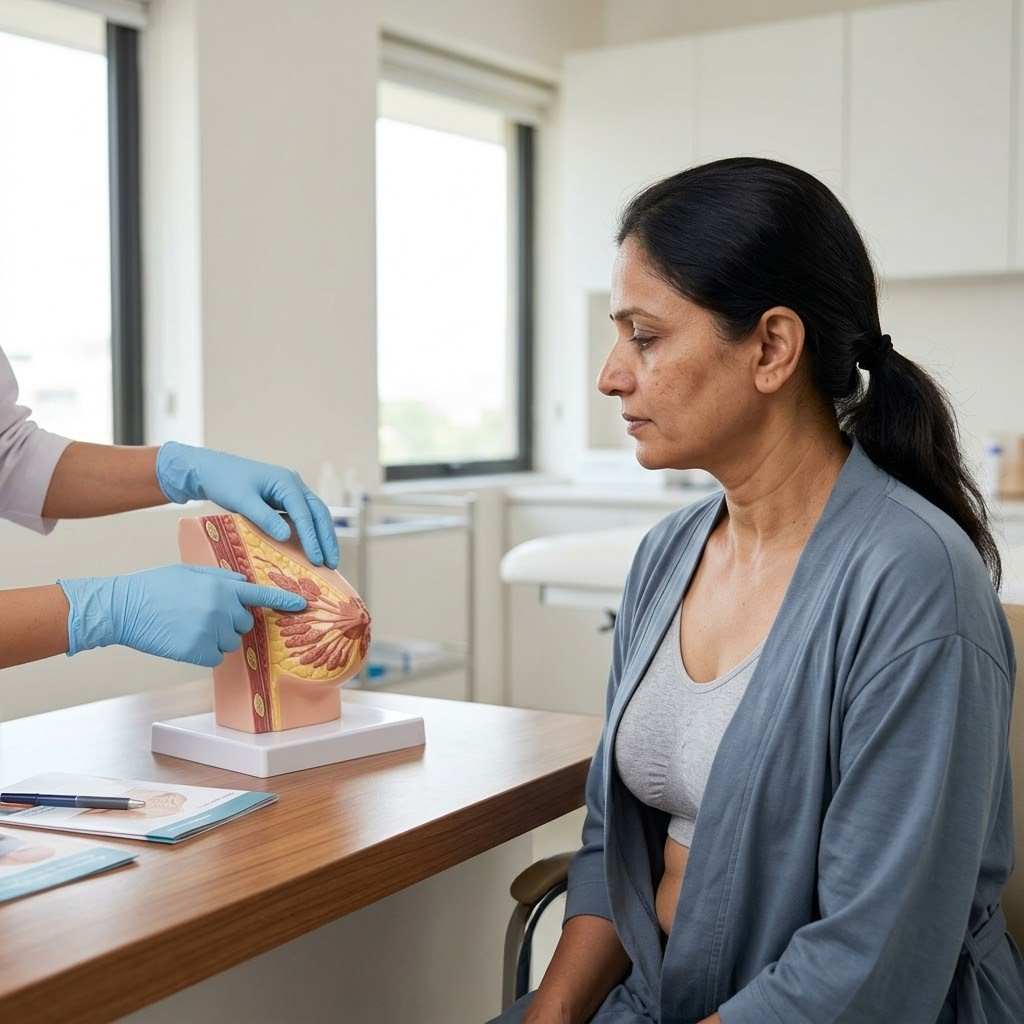
At Hair & Shape Clinic, treatment begins with a detailed evaluation of the degree of nipple inversion, breast anatomy, duct involvement, future breastfeeding plans, and the patient's aesthetic goals. The objective is to restore natural nipple projection while maintaining breast symmetry, function, and a natural appearance.
What Is Inverted Nipple Correction?
Inverted nipple correction is a cosmetic and reconstructive surgical procedure performed to release the tissues that pull the nipple inward, allowing it to project outward into a more natural position.
The procedure may improve:
Congenital inverted nipples.
Acquired nipple inversion.
One-sided nipple inversion.
Bilateral nipple inversion.
Difficulty maintaining nipple hygiene.
Recurrent nipple irritation.
Cosmetic asymmetry.
Self-confidence related to breast appearance.
The surgery is typically performed as a day-care procedure and usually involves very small, well-concealed incisions at the base of the nipple.
The goal is to achieve a naturally projecting nipple that appears proportionate to the surrounding breast.
Why Do Nipples Become Inverted?
Nipple inversion occurs when the structures beneath the nipple become shortened, tethered, or pulled inward.
Several factors may contribute.
Congenital Development
Many people are born with shortened milk ducts or fibrous connective tissue beneath the nipple.
These structures prevent normal nipple projection as the breasts develop.
Breastfeeding and Pregnancy
Hormonal changes and stretching of breast tissue during pregnancy may occasionally contribute to nipple inversion.
Ageing
Natural changes in connective tissue and skin elasticity may alter nipple position over time.
Breast Infection
Inflammation or scarring following breast infections may pull the nipple inward.
Previous Breast Surgery or Trauma
Scar tissue formed after surgery or injury may tether the nipple beneath the skin.
Underlying Breast Disease
In rare cases, newly developed nipple inversion, especially if it affects only one breast and appears suddenly, may indicate an underlying breast condition requiring prompt medical evaluation.
Understanding the underlying cause is essential because treatment differs between congenital, acquired, and medically related nipple inversion.
Understanding Nipple Anatomy
Successful nipple correction requires a detailed understanding of the structures responsible for nipple projection and breast function.
Nipple
The nipple contains multiple milk duct openings and sensory nerve endings.
Milk Ducts
These ducts connect the breast glands to the nipple and play an important role during breastfeeding.
Whenever possible, modern correction techniques aim to preserve these ducts.
Fibrous Bands
Connective tissue bands beneath the nipple provide support.
In many patients with inverted nipples, these bands become shortened and tether the nipple inward.
Blood Supply
A rich network of small blood vessels maintains healthy nipple tissue and supports healing.
Sensory Nerves
The nipple contains numerous sensory nerve endings responsible for normal sensation.
Understanding these structures allows surgeons to restore nipple projection while preserving circulation and function whenever anatomically possible.
How Does Inverted Nipple Correction Improve Breast Appearance?
The procedure restores nipple projection by releasing the tissues responsible for pulling the nipple inward.
Benefits may include:
Restored Nipple Projection
The nipple projects naturally above the surrounding areola.
Improved Breast Symmetry
Correction of one-sided inversion improves overall breast balance.
Better Breast Aesthetics
The breasts often appear more youthful and proportionate.
Easier Hygiene
Projecting nipples are generally easier to clean and maintain.
Reduced Irritation
Correction may decrease recurrent moisture retention and skin irritation.
Improved Confidence
Many patients report increased comfort wearing fitted clothing, swimwear, and intimate garments following correction.
The objective is a natural result that blends seamlessly with the surrounding breast anatomy.
Who Is a Good Candidate for Inverted Nipple Correction?
Inverted nipple correction may be appropriate for individuals seeking either cosmetic improvement or relief from functional concerns.
You may be a suitable candidate if you:
Have one or both inverted nipples.
Were born with nipple inversion.
Developed nipple inversion after pregnancy or breastfeeding.
Experience hygiene difficulties.
Have recurrent nipple irritation.
Feel self-conscious about nipple appearance.
Are in good general health.
Have realistic expectations regarding surgical outcomes.
Patients who plan future breastfeeding should discuss this during consultation, as the choice of surgical technique may influence milk duct preservation.
What Concerns Can Inverted Nipple Correction Address?
The procedure may improve several cosmetic and functional concerns.
Congenital Nipple Inversion
Corrects nipples that have remained inverted since breast development.
Acquired Nipple Inversion
Treats inversion caused by ageing, scarring, trauma, or breastfeeding where appropriate.
Breast Asymmetry
Improves differences in nipple projection between the breasts.
Hygiene Problems
Makes cleaning beneath the nipple easier and reduces moisture retention.
Recurrent Skin Irritation
May decrease irritation caused by chronic inversion.
Cosmetic Appearance
Creates naturally projecting nipples that complement overall breast proportions.
Personalized Inverted Nipple Correction Planning
No two cases of nipple inversion are identical. Some patients have mild inversion caused by short fibrous bands, while others have complete inversion involving shortened milk ducts and deeper tissue tethering. The degree of inversion, nipple elasticity, duct involvement, future breastfeeding plans, breast symmetry, and the underlying cause all influence the most appropriate treatment approach.
At Hair & Shape Clinic, every patient undergoes a comprehensive examination before surgery is recommended. The severity of nipple inversion is carefully graded, breast anatomy is evaluated, and the surgical technique is selected according to the individual's anatomy and long-term goals. Whenever anatomically feasible, modern duct-preserving techniques are considered to maintain nipple sensation and breastfeeding potential while achieving stable outward projection.
The objective is to restore natural nipple appearance with minimal scarring, preserved function whenever possible, and long-lasting aesthetic results.
What Happens During Inverted Nipple Correction Surgery?
Inverted nipple correction is typically performed as a day-care procedure under local anaesthesia with or without mild sedation, although general anaesthesia may be recommended in selected cases or when combined with other breast procedures. Depending on whether one or both nipples are treated and the complexity of the inversion, the procedure usually takes between 30 minutes and one hour.
Every surgery is customized according to the severity of nipple inversion, the condition of the milk ducts, future breastfeeding considerations, and the patient's aesthetic goals.
A typical procedure includes the following stages.
Step 1: Preoperative Planning
Before surgery, the surgeon carefully evaluates:
Degree of nipple inversion.
Whether one or both nipples are affected.
Breast symmetry.
Nipple size and shape.
Milk duct involvement.
Skin quality.
Future breastfeeding plans.
Surgical markings.
This assessment helps determine whether a duct-preserving or duct-dividing technique is most appropriate.
Step 2: Anaesthesia
Most inverted nipple correction procedures are comfortably performed using local anaesthesia.
Patients remain relaxed throughout the procedure while the treatment area is completely numb.
Step 3: Small Concealed Incisions
Tiny incisions are made at the base of the nipple where they remain well hidden after healing.
These incisions provide access to the fibrous tissues responsible for pulling the nipple inward.
Step 4: Release of Tethering Structures
The shortened fibrous bands beneath the nipple are carefully released.
In selected patients, some milk ducts may also require release depending on the severity of inversion.
Whenever anatomically possible, modern surgical techniques aim to preserve the milk ducts to maintain future breastfeeding potential.
Step 5: Nipple Stabilization
After the nipple is brought into its natural outward position, internal support sutures may be placed beneath the nipple to help maintain long-term projection and reduce the likelihood of recurrence.
Step 6: Closure
The tiny incisions are closed using fine sutures.
Protective dressings are applied to support healing while maintaining the corrected nipple position.
Types of Inverted Nipple Correction
The most appropriate technique depends on the severity of nipple inversion and whether preservation of breastfeeding function is a priority.
Duct-Preserving Correction
This technique releases the fibrous tissue while preserving as many milk ducts as possible.
It is commonly recommended for patients who wish to maintain the possibility of breastfeeding in the future.
Duct-Dividing Correction
In more severe cases, the shortened milk ducts themselves contribute significantly to nipple inversion.
Releasing these ducts provides a more reliable correction but may reduce future breastfeeding ability.
Non-Surgical Management
Patients with mild nipple inversion may occasionally benefit from suction devices or nipple retractors.
These approaches generally provide temporary improvement and are less effective for moderate or severe inversion.
What Results Can You Expect After Inverted Nipple Correction?
The corrected nipple projects immediately after surgery, although minor swelling is expected during the early healing period.
As recovery progresses, patients commonly notice:
Natural Nipple Projection
The nipple maintains an outward-facing position that appears balanced with the surrounding breast.
Improved Breast Symmetry
Correction of unilateral inversion restores visual harmony between both breasts.
Better Cosmetic Appearance
The breasts appear more proportionate and aesthetically balanced.
Easier Personal Hygiene
Cleaning around the nipple becomes easier, reducing moisture retention and skin irritation.
Improved Clothing Confidence
Many patients feel more comfortable wearing fitted clothing, swimwear, or intimate garments after correction.
While results are generally long-lasting, a small percentage of patients may experience partial recurrence depending on the original severity of inversion and tissue characteristics.
What Is Recovery Like After Inverted Nipple Correction?
Recovery is usually straightforward, with most patients returning to normal daily activities within a few days.
Healing typically progresses through several stages.
Immediately After Surgery
Patients may experience:
Mild swelling.
Minor bruising.
Temporary tenderness.
Slight tightness around the nipple.
These symptoms generally improve quickly.
First Week
Small protective dressings remain in place to support healing.
Patients should avoid excessive pressure on the nipples and follow their surgeon's wound care instructions carefully.
Two to Four Weeks
Swelling gradually resolves.
The nipples settle into their final position while the incisions continue to heal.
Most normal activities can usually be resumed according to the surgeon's recommendations.
Several Months
Scar maturation continues.
The final nipple projection and appearance become more refined as healing progresses.
Are There Any Risks or Limitations?
Inverted nipple correction is generally considered a safe procedure when performed by an experienced plastic surgeon, but, like all surgeries, it carries potential risks.
Possible complications include:
Bleeding.
Infection.
Swelling.
Bruising.
Temporary changes in nipple sensation.
Permanent changes in sensation in uncommon cases.
Scar formation.
Partial recurrence of nipple inversion.
Minor asymmetry.
Delayed wound healing.
Reduced ability to breastfeed if milk ducts are divided.
It is also important to understand the limitations of surgery.
Patients with severe congenital nipple inversion may have a slightly higher risk of recurrence compared with those who have mild inversion. Careful surgical planning and adherence to postoperative instructions help optimize long-term outcomes.
How Much Does Inverted Nipple Correction Cost in Mumbai?
The cost of inverted nipple correction depends on several factors, including the severity of nipple inversion, whether one or both nipples require treatment, the surgical technique used, and whether the procedure is combined with other breast surgeries.
Factors influencing treatment cost include:
Unilateral or bilateral correction.
Degree of nipple inversion.
Duct-preserving or duct-dividing technique.
Anaesthesia.
Operating facility charges.
Postoperative care.
Following a detailed consultation, your surgeon will provide a personalized treatment plan outlining the recommended procedure, expected recovery, anticipated outcomes, and associated costs.
Why Choose Hair & Shape for Inverted Nipple Correction?
Although inverted nipple correction is a relatively small procedure, it requires meticulous surgical precision and a thorough understanding of nipple anatomy. The surgery involves working around delicate milk ducts, blood vessels, sensory nerves, and connective tissue while creating stable, natural nipple projection with minimal visible scarring.
At Hair & Shape Clinic, every patient undergoes a detailed anatomical assessment before surgery is recommended. The degree of inversion, breast symmetry, duct involvement, future breastfeeding plans, and overall breast aesthetics are carefully evaluated to determine the most appropriate surgical technique. Whenever anatomically feasible, modern duct-preserving methods are used to maintain nipple sensation and breastfeeding potential while achieving long-lasting cosmetic improvement.
Why Does Personalized Inverted Nipple Correction Planning Matter?
The underlying cause and severity of nipple inversion vary considerably between patients, making individualized planning essential.
Every Degree of Inversion Requires a Different Approach
Mild nipple inversion may be corrected with minimal tissue release, while severe congenital inversion often requires more comprehensive surgical correction.
Future Breastfeeding Should Be Considered
Patients who wish to breastfeed in the future may benefit from duct-preserving techniques whenever appropriate.
Symmetry Is Essential
Correction should restore balanced nipple projection without disrupting the natural proportions of the breasts.
Long-Term Stability Depends on Internal Support
Modern techniques use carefully planned internal support to reduce the likelihood of recurrent nipple inversion.
Natural Results Remain the Priority
The objective is to restore outward nipple projection that appears natural, preserves breast harmony, and minimizes visible scarring.
International Patients Seeking Inverted Nipple Correction in Mumbai
Hair & Shape Clinic welcomes patients from across India and around the world seeking expert correction of inverted nipples.
Our international patient pathway is designed to provide a seamless experience from consultation through postoperative recovery.
Before You Travel
Virtual consultations, medical history review, clinical photographs, and discussion of your concerns help determine the most appropriate treatment plan before your visit.
During Your Stay
Your treatment includes an in-person consultation, personalized surgical planning, inverted nipple correction, postoperative monitoring, wound care guidance, and detailed recovery instructions before returning home.
Returning Home
Follow-up consultations can often be conducted remotely. Continued guidance regarding wound care, scar management, healing milestones, nipple protection, and long-term outcomes helps support a smooth recovery regardless of where you live.
What to Expect
Consultation
A detailed assessment of your goals, suitability, and a personalised plan.
Preparation
Clear pre-treatment guidance so you arrive fully prepared and at ease.
The Procedure
Your treatment, performed by our specialists with comfort and safety first.
Aftercare
Structured recovery support and follow-ups to protect your results.
Frequently Asked Questions
Everything you need to know about Inverted Nipple. Still curious? Our team is one message away.
This depends on the degree of inversion and the surgical technique required. Future breastfeeding plans are discussed during consultation so treatment can be planned appropriately whenever possible.
Every surgical procedure leaves scars. Incisions are typically small and planned carefully as part of the corrective technique. Scar appearance generally continues improving as healing progresses.
That is always the objective. Every procedure is planned to restore natural projection while respecting your existing anatomy rather than creating an overcorrected appearance.
Yes. When appropriate, bilateral correction may be planned to restore balanced anatomy and natural symmetry.
The objective is to achieve long-term correction. However, stability depends on the degree of inversion, tissue characteristics, healing, and the surgical technique selected. These factors are discussed during consultation.
Inverted nipples may be present from birth or develop later due to shortening of milk ducts, fibrous tissue changes, previous breastfeeding, ageing, trauma, surgery, or other structural causes. A clinical examination helps determine the underlying reason.

Begin Your Inverted Nipple Journey
Book a consultation today and let our specialists craft a plan built entirely around you.