
 Gender Reassignment
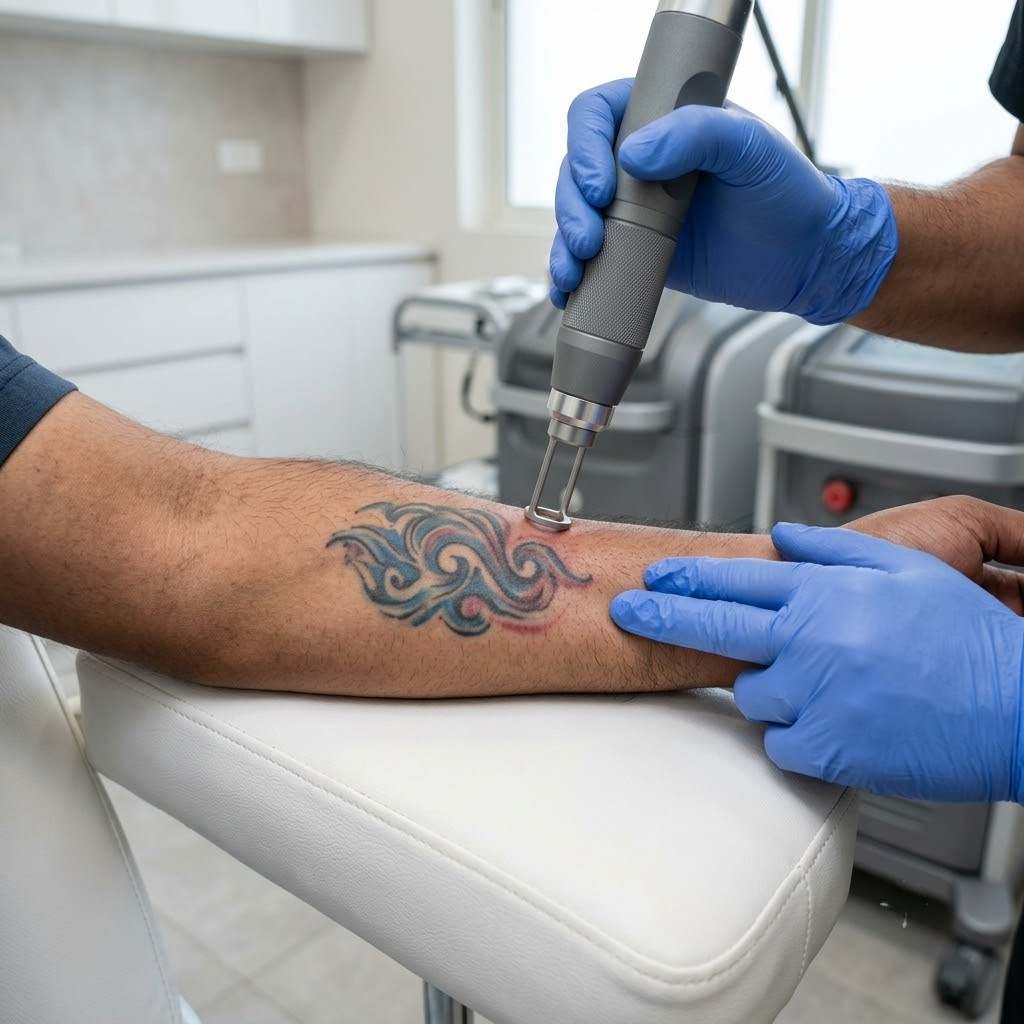
Tattoo Removal In Mumbai
Advanced laser technology to safely fade and clear unwanted ink.
Tattoo Removal in Mumbai
Tattoo Removal is an advanced dermatological procedure designed to safely reduce or eliminate unwanted tattoos using modern laser technology. While tattoos are intended to be permanent, advances in laser medicine now allow many tattoos to be significantly faded or completely removed by targeting the pigment particles embedded within the skin without causing unnecessary damage to the surrounding tissue.
People seek tattoo removal for many reasons. Personal preferences may change over time, professional requirements may discourage visible tattoos, relationships or life circumstances may evolve, or older tattoos may fade unevenly and lose their aesthetic appeal. In some cases, individuals choose tattoo removal to make way for a new tattoo or to improve the appearance of poorly executed tattoo work.
Modern laser tattoo removal works through the principle of selective photothermolysis, where highly specific wavelengths of laser energy are absorbed by tattoo pigments. These rapid bursts of energy fragment the ink particles into microscopic pieces, allowing the body's immune system to gradually clear them through natural biological processes. Because different tattoo colors absorb different wavelengths of light, multiple laser wavelengths may be required to effectively treat multicolored tattoos.
Complete tattoo removal is influenced by several factors, including the tattoo's color, depth, age, size, location, ink composition, skin type, and individual immune response. Professional tattoos generally require more treatment sessions than amateur tattoos because they contain greater quantities of pigment deposited deeper within the skin.
At Hair & Shape Clinic, every Tattoo Removal treatment begins with a comprehensive dermatological assessment. The tattoo characteristics, skin type, pigment colors, medical history, previous laser treatments, risk of scarring, and individual treatment goals are carefully evaluated before creating a personalized treatment plan. Our objective is to achieve the greatest possible ink clearance while preserving healthy skin, minimizing complications, and delivering safe, predictable, and aesthetically pleasing outcomes.
What Is Tattoo Removal?
Tattoo Removal is a non-surgical laser procedure that gradually breaks down tattoo ink particles embedded within the skin, allowing the body's immune system to naturally eliminate them over time.
Unlike surgical excision or dermabrasion, modern laser tattoo removal targets tattoo pigment while minimizing injury to the surrounding skin.
The procedure works progressively rather than immediately.
Each treatment session removes only a portion of the tattoo pigment.
As the immune system clears fragmented ink particles between sessions, the tattoo gradually fades.
Multiple treatment sessions are usually necessary to achieve optimal results.
Tattoo removal can be performed on tattoos located almost anywhere on the body, including:
Arms.
Legs.
Chest.
Back.
Neck.
Hands.
Feet.
Face.
Fingers.
Cosmetic tattoos in selected cases.
The number of sessions required varies considerably from one patient to another.
How Do Tattoos Become Permanent?
Understanding tattoo anatomy helps explain why laser removal requires multiple treatment sessions.
Ink Placement
During tattooing, pigment is deposited into the dermis rather than the superficial epidermis.
Healing Response
The skin heals over the deposited pigment while trapping ink particles within the dermis.
Immune Cell Interaction
Macrophages, specialized immune cells, attempt to remove tattoo pigment but are unable to eliminate the large ink particles completely.
Long-Term Pigment Stability
Some pigment remains trapped inside macrophages while other particles remain within the surrounding connective tissue.
Tattoo Persistence
Because the pigment remains embedded deep within the dermis, tattoos can remain visible for decades.
Laser treatment works by breaking these large particles into much smaller fragments that macrophages can successfully remove.
Understanding Skin Anatomy
Laser Tattoo Removal primarily targets structures within the dermis while protecting the surrounding skin.
Epidermis
The epidermis forms the skin's protective outer layer.
Modern laser systems are designed to minimize injury to this layer.
Dermis
Tattoo ink is deposited within the dermis, making it the primary treatment target.
Tattoo Pigment
Tattoo ink consists of microscopic pigment particles suspended within the dermis.
Different pigment colors absorb laser energy differently.
Macrophages
Macrophages are immune cells responsible for removing fragmented tattoo particles after laser treatment.
Collagen Network
Healthy collagen supports skin strength and elasticity.
Modern laser protocols aim to preserve collagen while removing tattoo pigment.
Understanding these structures explains why tattoo removal is a gradual biological process rather than an immediate cosmetic procedure.
How Does Laser Tattoo Removal Work?
Laser Tattoo Removal combines advanced laser technology with the body's natural immune system.
Benefits include:
Fragmentation of Ink Particles
Laser energy breaks large pigment particles into microscopic fragments.
Immune System Clearance
Macrophages gradually remove fragmented pigment through the lymphatic system.
Progressive Tattoo Fading
Each treatment session produces additional pigment clearance.
Preservation of Healthy Skin
Modern laser technology selectively targets tattoo pigment while minimizing damage to surrounding tissue.
Treatment of Multiple Ink Colors
Different laser wavelengths can target black, blue, green, red, yellow, and other tattoo pigments with varying degrees of effectiveness.
Preparation for Tattoo Cover-Up
Partial laser fading may improve the quality of future tattoo cover-up procedures.
Rather than physically cutting away the tattoo, laser treatment allows the body to gradually eliminate the unwanted pigment through natural biological processes.
Who Is a Good Candidate for Tattoo Removal?
Most healthy adults seeking tattoo removal may benefit from a comprehensive dermatological evaluation.
You may be a suitable candidate if you:
Have an unwanted tattoo.
Wish to completely remove a tattoo.
Want to fade a tattoo before a cover-up.
Have professional or amateur tattoos.
Have realistic expectations regarding treatment sessions.
Are in generally good health.
Do not have active skin infections over the treatment area.
The suitability of treatment also depends on skin type, tattoo characteristics, and overall medical history.
What Types of Tattoos Can Be Treated?
Modern laser systems can treat many different tattoo types.
Professional Tattoos
Typically contain larger quantities of pigment placed deeper within the skin and often require more treatment sessions.
Amateur Tattoos
Usually contain less ink and may respond more quickly to treatment.
Cosmetic Tattoos
Eyebrow, lip, and other cosmetic tattoos may be removable using specialized laser protocols after careful assessment.
Black Ink Tattoos
Black pigment usually responds most effectively because it absorbs laser energy efficiently.
Colored Tattoos
Red, blue, green, yellow, and other colored pigments often require multiple laser wavelengths and may respond at different rates.
Traumatic Tattoos
Pigmentation resulting from accidents, explosions, or embedded foreign material may also be suitable for laser treatment after evaluation.
Personalized Tattoo Removal Planning
Every tattoo is unique, making personalized treatment planning essential for achieving safe and effective results. The tattoo's age, size, location, ink color, pigment depth, professional or amateur application, previous laser treatments, skin type, history of scarring, and individual immune response all influence the expected treatment course. Some tattoos respond rapidly to laser therapy, while others require multiple sessions over an extended period to achieve significant clearance.
At Hair & Shape Clinic, every Tattoo Removal treatment begins with a comprehensive dermatological assessment. Tattoo characteristics, skin biology, pigment composition, medical history, and individual treatment goals are carefully evaluated before creating a personalized laser treatment plan. Our approach combines advanced laser technology, evidence-based treatment protocols, and careful skin preservation to maximize tattoo clearance while minimizing discomfort, pigmentary changes, and the risk of scarring.
What Happens During Tattoo Removal?
Laser Tattoo Removal is performed as an outpatient procedure using advanced medical laser systems specifically designed to target tattoo pigment while preserving the surrounding skin. The treatment is highly individualized because every tattoo differs in color, depth, size, age, ink composition, and location. Since tattoo removal relies on the body's natural immune system to eliminate fragmented ink particles, multiple treatment sessions are usually required to achieve optimal results.
A typical Tattoo Removal treatment includes the following stages.
Step 1: Comprehensive Dermatological Assessment
Every treatment begins with a detailed evaluation of the tattoo and your skin.
Your dermatologist assesses:
Tattoo size.
Tattoo location.
Ink colors.
Professional or amateur tattoo.
Age of the tattoo.
Pigment density.
Skin type.
Previous laser treatments.
History of scarring.
Medical history.
Individual treatment goals.
This assessment helps estimate the expected number of treatment sessions and select the most appropriate laser technology.
Step 2: Skin Preparation
The treatment area is cleansed thoroughly.
Clinical photographs may be taken to monitor fading throughout the treatment journey.
Protective eye shields are provided for both the patient and medical team before laser treatment begins.
Step 3: Laser Treatment
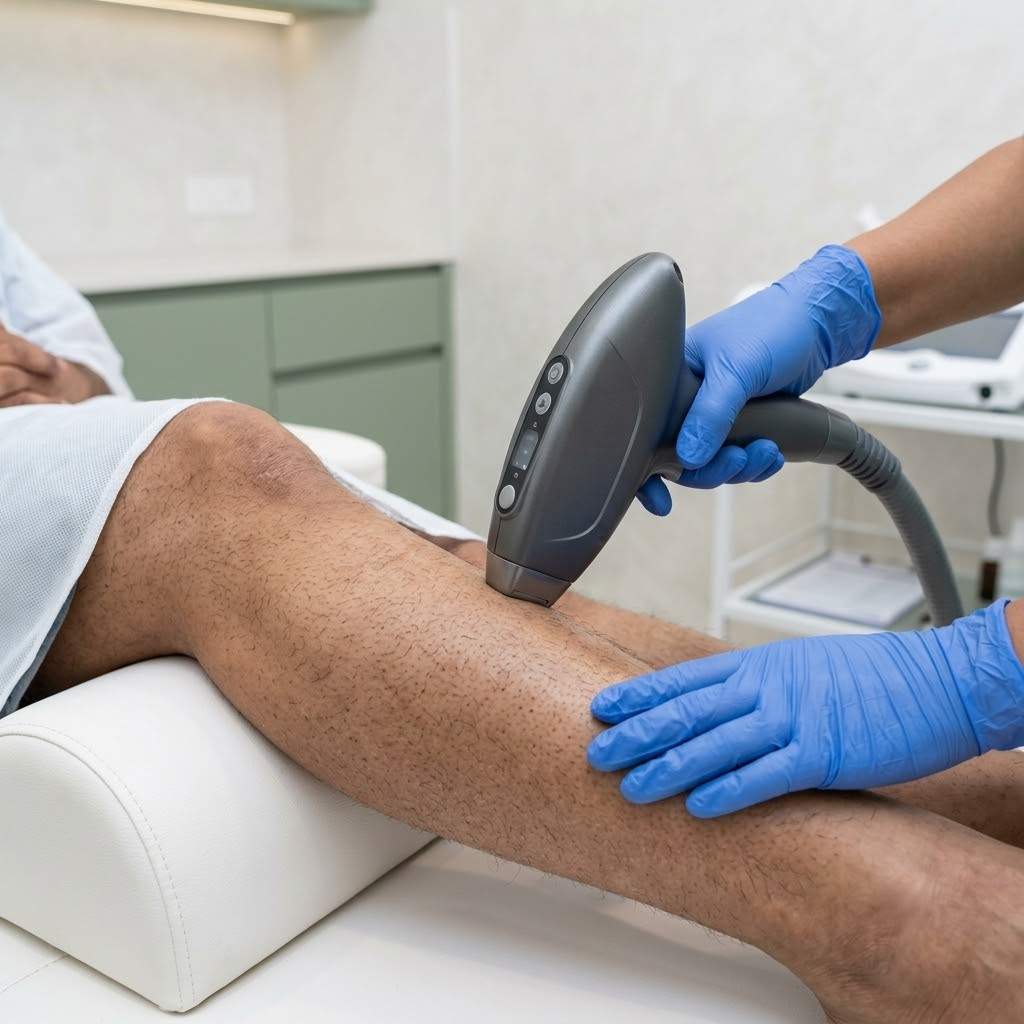
The laser handpiece is positioned over the tattoo.
Short, high-energy pulses are delivered into the skin.
These pulses selectively target tattoo pigment while minimizing injury to surrounding tissue.
Different laser wavelengths may be used depending on the tattoo colors being treated.
Step 4: Ink Fragmentation
Laser energy breaks the large tattoo pigment particles into microscopic fragments.
The surrounding healthy skin remains largely unaffected because the laser specifically targets pigment.
Step 5: Natural Immune Clearance
Following treatment, macrophages gradually remove the fragmented pigment through the lymphatic system.
This natural biological process continues over several weeks after each treatment session.
Step 6: Repeat Treatment Sessions
Additional laser sessions are performed after adequate healing to progressively reduce the remaining tattoo pigment.
The interval between sessions is usually several weeks, allowing the skin to recover and the immune system to remove fragmented ink.
Types of Tattoo Removal Treatments
Different laser technologies are selected according to tattoo characteristics and pigment colors.
Q-Switched Laser Tattoo Removal
Q-switched lasers have been widely used for tattoo removal because they deliver extremely short pulses of high-energy light that fragment tattoo pigment while minimizing injury to surrounding tissue.
Picosecond Laser Tattoo Removal
Picosecond lasers deliver energy in even shorter pulse durations, producing highly efficient pigment fragmentation and often improving the clearance of certain tattoo colors and resistant tattoos.
Black Ink Tattoo Removal
Black pigment absorbs laser energy particularly well and generally responds more effectively than lighter-colored inks.
Colored Tattoo Removal
Red, blue, green, yellow, and other colored pigments often require different laser wavelengths and may fade at different rates.
Cosmetic Tattoo Removal
Eyebrow, eyeliner, and lip tattoos require specialized laser protocols because cosmetic pigments may respond differently from conventional tattoo inks.
Tattoo Fading for Cover-Up
Some individuals choose partial laser fading to improve the quality and appearance of a future tattoo cover-up rather than complete tattoo removal.
What Results Can You Expect?
Tattoo removal is a gradual biological process rather than an immediate cosmetic procedure.
The extent of pigment clearance varies depending on several individual factors.
Progressive Tattoo Fading
Each treatment session gradually reduces the visibility of tattoo pigment.
Improved Skin Appearance
As pigment fades, the tattoo becomes progressively less noticeable.
Better Cover-Up Preparation
Partial fading often provides an improved foundation for future tattoo artwork.
Preservation of Skin Integrity
Modern laser systems are designed to preserve healthy skin while targeting tattoo pigment.
Long-Term Clearance
Many tattoos can be significantly faded or completely removed, although complete clearance cannot be guaranteed for every tattoo because pigment composition and biological response vary.
Professional tattoos, colored tattoos, and tattoos containing certain modern pigments may require additional treatment sessions compared with older or amateur tattoos.
What Is Recovery Like After Tattoo Removal?
Recovery following laser tattoo removal is generally straightforward when appropriate aftercare is followed.
Immediately After Treatment
Patients commonly experience:
Mild redness.
Swelling.
Temporary whitening of the tattoo.
Mild tenderness.
Warmth.
Slight discomfort similar to sunburn.
These effects usually improve within a few days.
During Healing
The treated area may develop:
Mild crusting.
Small blisters.
Dryness.
Light peeling.
These changes are part of the normal healing process and should not be disturbed.
Skin Care During Recovery
Patients are usually advised to:
Keep the treated area clean.
Apply recommended healing ointments.
Avoid scratching or picking the skin.
Protect the area from excessive sun exposure.
Use broad-spectrum sunscreen after healing.
Between Treatment Sessions
Tattoo fading continues gradually for several weeks as the immune system removes fragmented pigment.
The skin should be allowed to heal completely before additional laser sessions are performed.
Are There Any Risks or Limitations?
Laser Tattoo Removal is generally safe when performed by experienced medical professionals using appropriate laser technology.
However, every medical procedure carries potential risks.
Possible temporary side effects include:
Redness.
Swelling.
Mild blistering.
Crusting.
Temporary pigment changes.
Temporary skin sensitivity.
Mild discomfort.
Rare infection.
Rare scarring.
It is equally important to understand the limitations of treatment.
Complete tattoo removal cannot always be guaranteed. Certain pigments, particularly some green, turquoise, yellow, white, fluorescent, and cosmetic inks, may respond less predictably than black pigment. The total number of treatment sessions varies significantly depending on tattoo characteristics and individual immune response. Older tattoos often fade more readily than newer tattoos, while professional tattoos usually require more sessions because of their greater pigment density.
How Much Does Tattoo Removal Cost in Mumbai?
The cost of Tattoo Removal depends on the size of the tattoo, number of colors, laser technology used, estimated number of treatment sessions, and complexity of the procedure.
Factors influencing treatment cost include:
Tattoo size.
Number of ink colors.
Professional or amateur tattoo.
Pigment density.
Number of laser sessions.
Laser technology used.
Follow-up appointments.
Following a comprehensive dermatological assessment, your dermatologist will recommend a personalized treatment plan and explain the anticipated treatment course and associated costs before beginning therapy.
Why Choose Hair & Shape for Tattoo Removal?
Successful Tattoo Removal requires more than simply directing laser energy at unwanted ink. It demands an advanced understanding of laser physics, skin biology, pigment chemistry, wound healing, and individualized treatment planning. Because every tattoo differs in color, depth, age, and composition, selecting the appropriate laser parameters is essential for maximizing pigment clearance while protecting healthy skin.
At Hair & Shape Clinic, every Tattoo Removal treatment begins with a comprehensive dermatological assessment. Skin type, tattoo characteristics, pigment composition, previous treatments, and individual aesthetic goals are carefully evaluated before creating a personalized laser treatment plan. Our approach combines advanced laser technology, evidence-based protocols, meticulous skin preservation, and careful follow-up to achieve progressive tattoo clearance with the greatest possible safety and aesthetic outcome.
Why Does Personalized Tattoo Removal Planning Matter?
Every tattoo responds differently to laser treatment, making individualized planning essential for safe and predictable results.
Tattoo Characteristics Influence Treatment
Professional tattoos, amateur tattoos, cosmetic tattoos, and traumatic tattoos differ in pigment depth, density, and composition, requiring different treatment strategies.
Ink Colors Respond Differently
Black pigments generally respond well to laser treatment, while certain colored pigments may require multiple wavelengths and additional treatment sessions.
Skin Type Affects Laser Selection
Skin tone influences the safest laser settings and helps reduce the risk of unwanted pigmentary changes during treatment.
Immune Response Influences Clearance
The body's ability to remove fragmented tattoo particles varies between individuals, affecting the overall speed of tattoo fading.
Realistic Expectations Improve Satisfaction
Understanding that tattoo removal is a gradual process requiring multiple sessions helps patients make informed decisions and remain committed throughout treatment.
International Patients Seeking Tattoo Removal in Mumbai
Hair & Shape Clinic welcomes patients from across India and around the world seeking advanced laser tattoo removal and personalized dermatological care.
Our international patient pathway is designed to provide seamless support before, during, and after your treatment.
Before You Travel
Virtual consultations, photographs of the tattoo, medical history review, and discussion of your treatment goals help estimate the expected number of sessions and determine the most appropriate laser approach before your visit.
During Your Stay
Your treatment includes a comprehensive skin assessment, personalized laser tattoo removal, detailed aftercare instructions, and guidance regarding healing and future treatment sessions.
Returning Home
Follow-up consultations can often be conducted remotely. Continued guidance regarding healing, sun protection, skincare, treatment intervals, and progress monitoring helps support safe recovery and optimal tattoo clearance wherever you live.
What to Expect
Consultation
A detailed assessment of your goals, suitability, and a personalised plan.
Preparation
Clear pre-treatment guidance so you arrive fully prepared and at ease.
The Procedure
Your treatment, performed by our specialists with comfort and safety first.
Aftercare
Structured recovery support and follow-ups to protect your results.
Frequently Asked Questions
Everything you need to know about Tattoo Removal. Still curious? Our team is one message away.
Before treatment, avoid tanning and excessive sun exposure, keep the treatment area clean, and inform your dermatologist about any medications or skin conditions. After the procedure, follow the recommended wound care instructions, avoid picking at blisters or scabs, keep the area protected from sunlight, apply sunscreen once healing allows, and attend all scheduled follow-up sessions for the safest healing and the best possible tattoo removal results.
Most patients describe laser tattoo removal as feeling similar to the snap of a rubber band against the skin or small hot pinpricks. The level of discomfort depends on the tattoo's location, size, and your individual pain tolerance. To improve comfort, cooling devices or topical numbing creams may be used before or during the procedure.
When performed by an experienced dermatologist using appropriate laser settings and proper aftercare, laser tattoo removal has a low risk of scarring. Temporary redness, swelling, blistering, or mild skin discoloration may occur as part of the normal healing process. Following your aftercare instructions and protecting the treated area from sun exposure can help minimize the risk of complications.
The number of sessions varies depending on the tattoo. Most patients require 6 to 12 sessions, although professionally applied, multicolored, or larger tattoos may need more treatments. Sessions are typically spaced 6 to 8 weeks apart to allow the body sufficient time to naturally eliminate the fragmented ink particles and promote proper skin healing.
Many tattoos can be removed significantly or even completely with modern laser technology, but the results depend on several factors, including the tattoo's color, size, depth, age, ink composition, and your skin type. Black and dark blue inks generally respond the best, while colors such as green, yellow, and certain light shades may require additional sessions. During your consultation, your dermatologist will assess your tattoo and provide realistic expectations for removal.
Begin Your Tattoo Removal Journey
Book a consultation today and let our specialists craft a plan built entirely around you.