 Gender Reassignment
Hair Transplant In Mumbai
Comprehensive hair transplantation solutions tailored to restore your natural density and hairline.
Introduction
Hair loss can affect far more than appearance. For many individuals, it gradually changes the way they perceive themselves, influencing confidence, social interactions, and overall quality of life. Whether caused by genetics, ageing, hormonal changes, medical conditions, or previous trauma, progressive hair loss can become increasingly difficult to manage with medications or cosmetic camouflage alone.
A hair transplant offers a long-term solution by redistributing healthy, genetically resistant hair follicles from donor areas of the scalp to regions experiencing thinning or baldness. Unlike temporary solutions, transplanted follicles continue to grow naturally, creating results that blend seamlessly with existing hair when performed using advanced surgical techniques and personalised planning.
Modern hair transplantation is no longer about creating a lower hairline alone. It is a highly specialised microsurgical procedure that combines facial aesthetics, scalp anatomy, donor management, and long-term planning to produce natural-looking density while preserving future treatment options. Every hairline, angle, direction, and follicular unit placement contributes to the overall appearance.
At Hair & Shape Clinic, every hair transplant is individually designed by Dr. Umang Kothari based on facial proportions, donor availability, hair characteristics, age, and the expected progression of future hair loss. Rather than following a standard template, every treatment plan focuses on creating balanced, age-appropriate, and natural-looking outcomes that continue to look authentic for years to come.
What Is A Hair Transplant?
A hair transplant is a minimally invasive surgical procedure that restores hair growth by relocating healthy hair follicles from areas with permanent hair growth to areas affected by thinning or baldness.
The transplanted follicles are typically harvested from the back and sides of the scalp, known as the donor area, where hair is genetically more resistant to the hormonal effects responsible for pattern hair loss.
Once transplanted, these follicles establish a new blood supply, heal within the recipient area, and continue growing hair as they naturally would in their original location.
Unlike wigs, fibres, or temporary cosmetic solutions, a successful hair transplant utilises your own living hair follicles, allowing the restored hair to be washed, cut, styled, and treated just like natural hair.
Understanding Hair Loss
Hair loss is a progressive condition with multiple possible causes.
While hereditary pattern baldness is the most common reason for hair transplantation, several other factors may contribute to thinning hair.
Common causes include:
Androgenetic alopecia (male and female pattern hair loss)
Age-related hair thinning
Hormonal changes
Genetic predisposition
Traction alopecia
Previous scalp injury
Burn scars
Certain medical conditions
Hair loss following previous surgery
Stable scarring alopecia in selected cases
Understanding the underlying cause of hair loss is essential before planning any surgical restoration.
How Does Hair Growth Normally Occur?
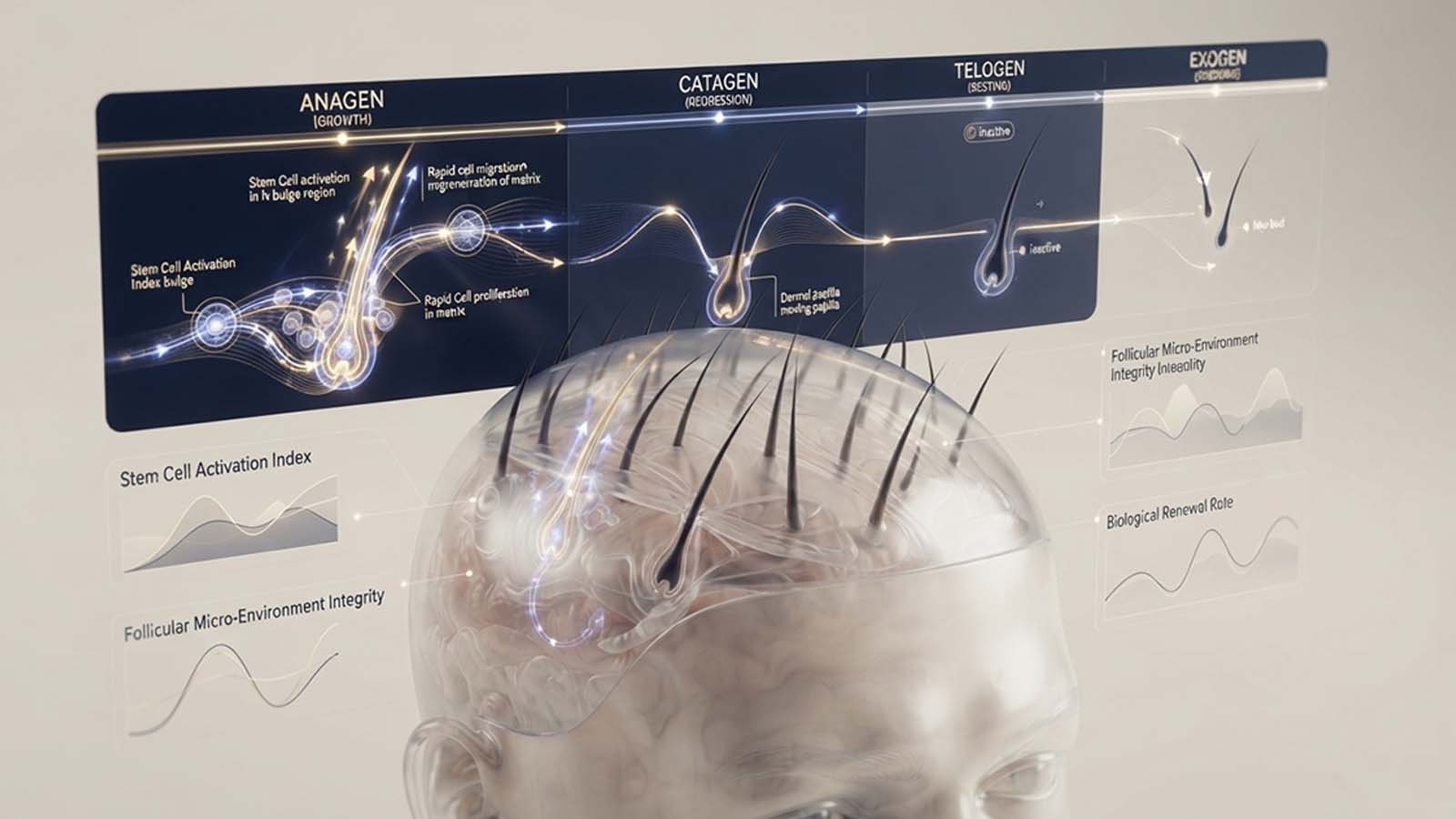
Every hair follicle follows a natural growth cycle consisting of different biological phases.
These include:
Anagen Phase (Growth Phase)
The active growth phase, during which the hair shaft continuously grows.
Catagen Phase (Transition Phase)
A short period where hair growth slows and the follicle begins preparing for rest.
Telogen Phase (Resting Phase)
The follicle temporarily rests before naturally shedding the existing hair.
Exogen Phase (Shedding Phase)
The mature hair is released while the follicle prepares to produce a new hair shaft.
Hair transplantation does not change this natural cycle. Instead, it relocates healthy follicles that continue progressing through these stages after healing.
Why Does Pattern Hair Loss Occur?
Pattern hair loss develops because genetically susceptible hair follicles gradually become sensitive to dihydrotestosterone (DHT).
Over time, this hormonal sensitivity causes progressive follicular miniaturisation.
As the follicles become smaller:
Hair strands become thinner.
Hair growth slows.
Density gradually decreases.
Shorter growth cycles develop.
Some follicles eventually stop producing visible hair.
Fortunately, follicles located in the permanent donor area usually remain resistant to these hormonal effects, making them suitable for transplantation.
Who Can Benefit From Hair Transplant Surgery?
Hair transplantation may be considered for individuals experiencing permanent hair loss who have sufficient donor hair available.
Suitable candidates commonly include patients with:
Male pattern baldness
Female pattern hair loss in selected cases
Receding hairline
Thinning crown
Hair loss after trauma
Stable scar-related hair loss
Beard restoration requirements
Eyebrow restoration in appropriate cases
Every patient undergoes a personalised assessment to determine whether surgery is the most appropriate treatment option.
Who May Not Be A Suitable Candidate?
Not every individual experiencing hair loss requires immediate surgery.
Hair transplantation may not be recommended when:
Hair loss remains rapidly progressive.
Donor density is insufficient.
Active scalp disease is present.
Certain autoimmune conditions remain uncontrolled.
Medical optimisation is required first.
Expectations are unrealistic.
In many cases, medical therapy may be advised before considering surgical restoration.
How Does A Hair Transplant Work?
Hair transplantation follows the principle of donor dominance.
Healthy follicles are carefully harvested from the permanent donor region and implanted into areas affected by hair loss.
Following transplantation:
Tiny recipient sites begin healing.
Blood clot stabilisation occurs.
New microscopic blood vessels develop.
Follicles establish a fresh blood supply.
Hair shafts may temporarily shed.
The transplanted follicles gradually resume natural hair growth.
Because the follicles retain their genetic characteristics, they continue growing in their new location while maintaining their resistance to pattern hair loss.
Hair Transplant Techniques Available
Modern hair restoration has evolved significantly over the past two decades.
Today, the most commonly performed technique is Follicular Unit Extraction (FUE).
Depending on the patient's anatomy and clinical requirements, treatment planning may involve different harvesting methods and implantation techniques.
The appropriate approach is determined after evaluating:
Hair loss pattern
Donor density
Hair shaft thickness
Hair texture
Scalp flexibility
Previous hair transplant history
Long-term restoration goals
Rather than selecting a technique based solely on popularity, the treatment plan should be tailored to the individual's scalp characteristics and aesthetic objectives.
Follicular Unit Extraction (FUE)
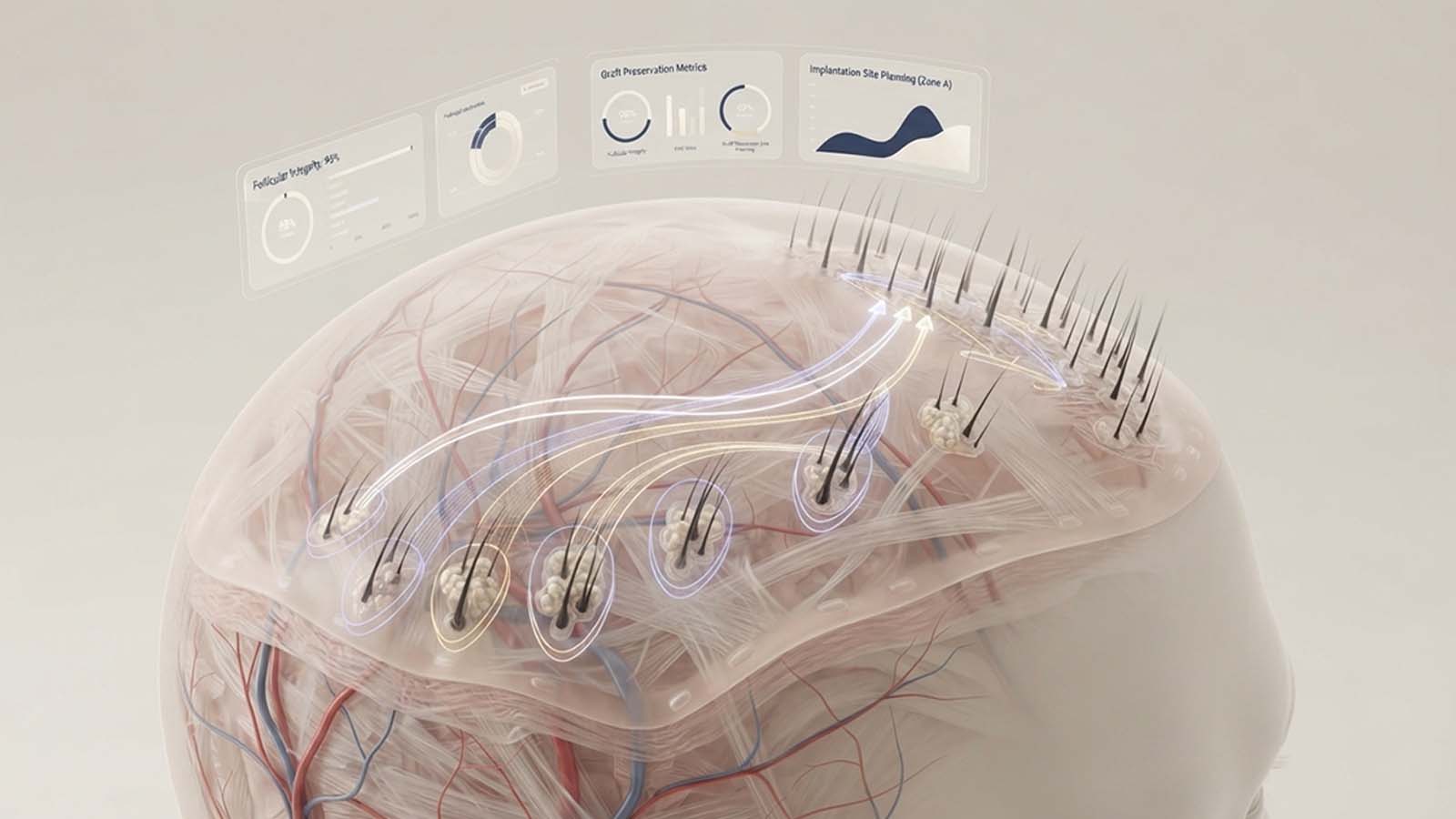
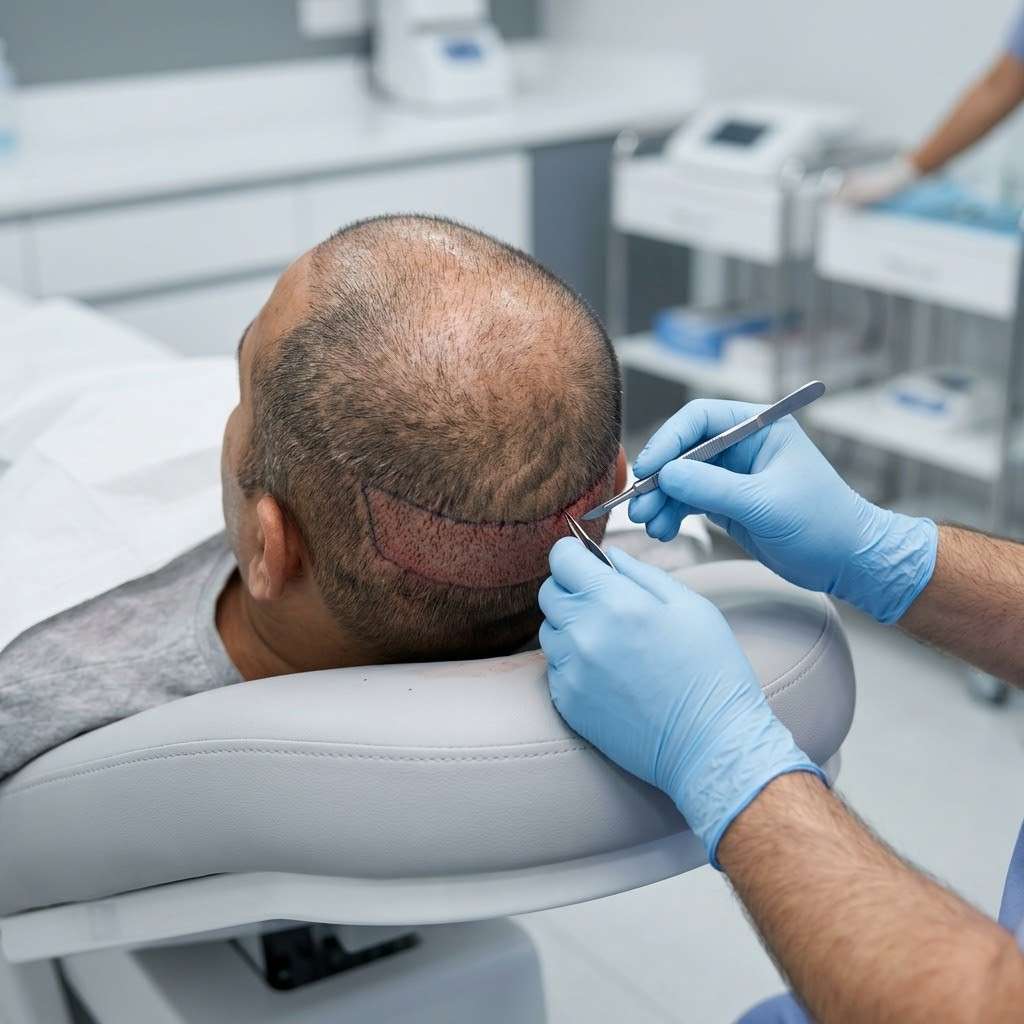
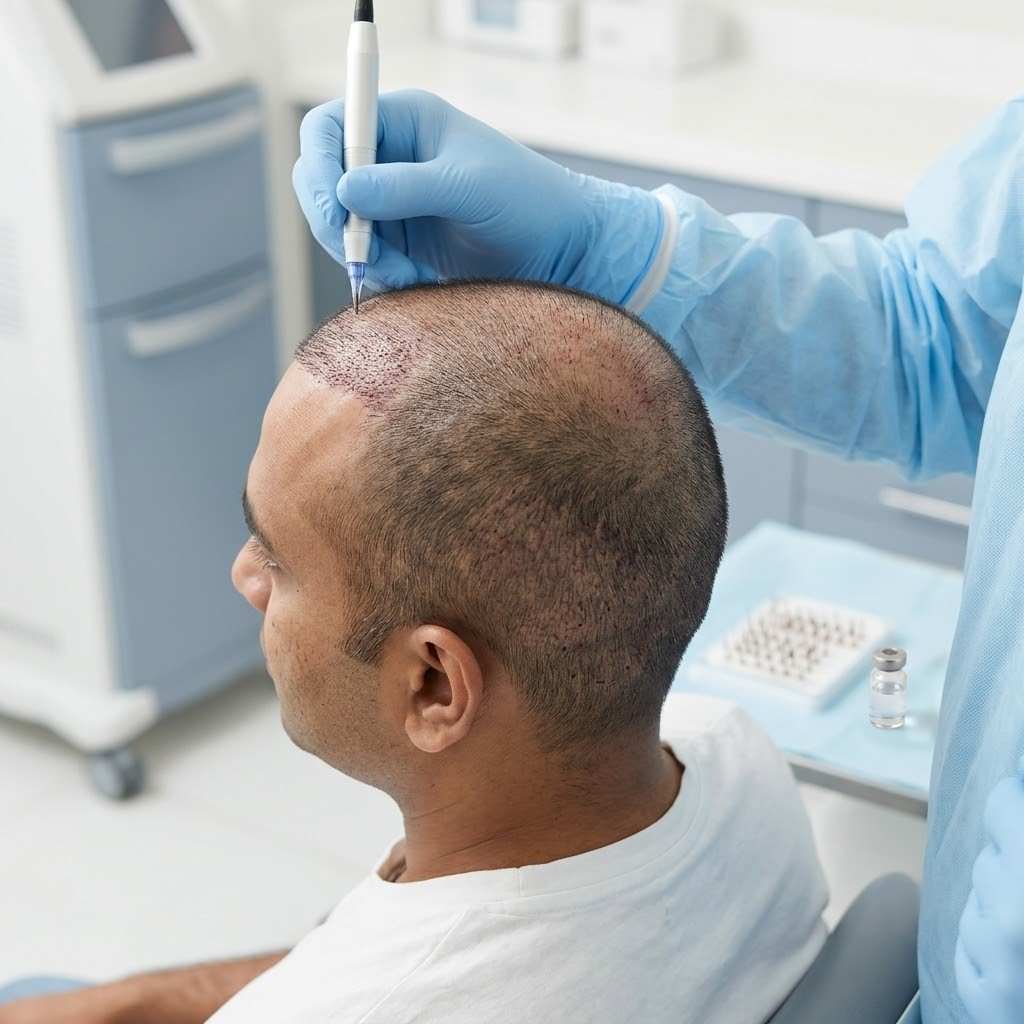
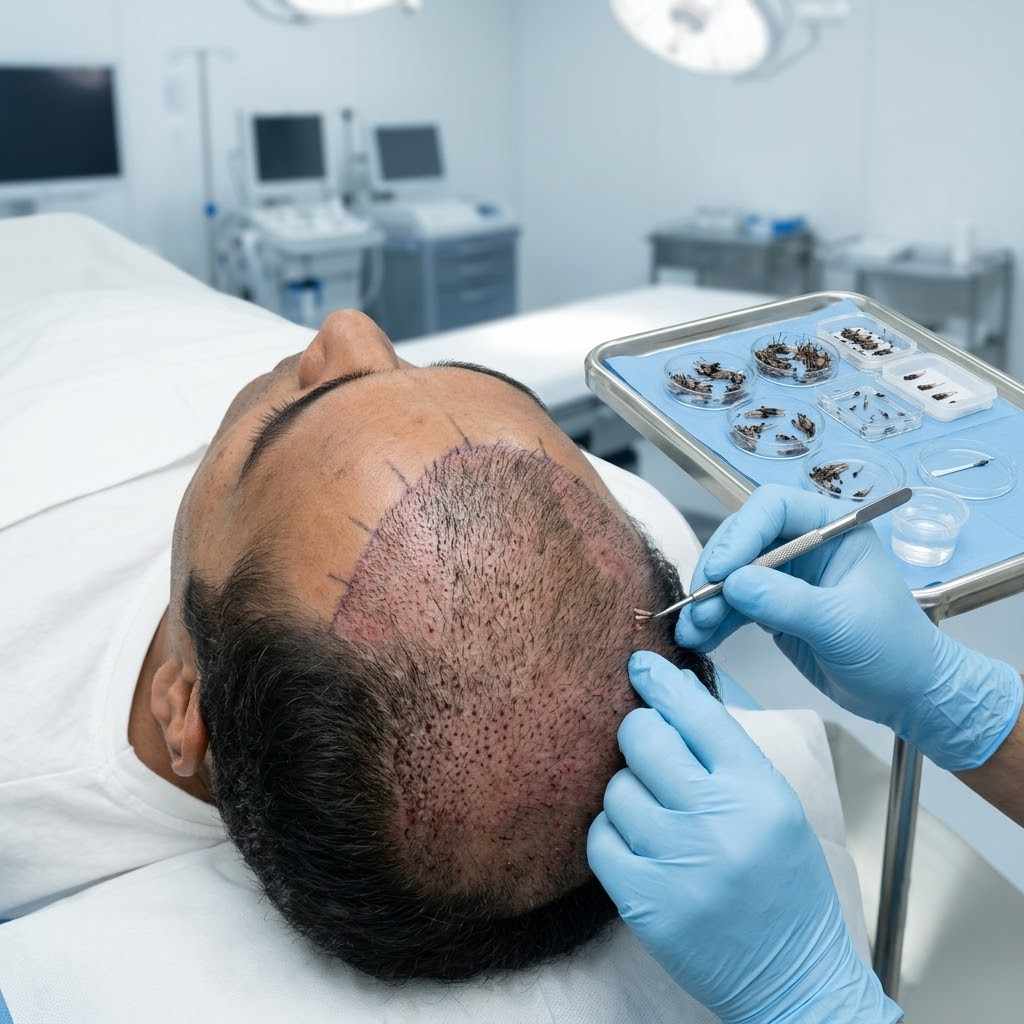
Follicular Unit Extraction (FUE) is a minimally invasive hair transplant technique in which naturally occurring follicular units are harvested individually using specialised microsurgical instruments.
Each follicular unit may contain:
One hair
Two hairs
Three hairs
Occasionally four hairs
These grafts are carefully preserved before being implanted into the recipient area according to the planned hairline, density, and natural direction of growth.
Because follicles are extracted individually, FUE avoids the need for removing a strip of scalp and typically results in tiny dot-like scars that are difficult to detect once healed.
Recipient Site Creation
Creating recipient sites is one of the most technically demanding stages of hair transplantation.
Each tiny incision determines how the transplanted hair will eventually grow.
The surgeon carefully plans:
Hair direction
Hair angle
Hair orientation
Hair density
Hairline transition
Natural distribution of follicular units
Even perfectly harvested grafts may produce unnatural results if recipient site planning is inaccurate.
Every incision must complement the patient's existing hair pattern while respecting facial proportions and future hair loss progression.
Designing A Natural Hairline

The hairline is one of the most important aesthetic components of a successful hair transplant.
Rather than creating the lowest possible hairline, modern hair restoration focuses on designing a hairline that appears naturally age-appropriate throughout life.
Several factors influence hairline planning, including:
Facial proportions
Forehead height
Age
Gender
Ethnicity
Existing hair density
Future pattern of hair loss
Individual aesthetic preferences
Irregularity is also an important feature of a natural hairline. Human hairlines are never perfectly straight, making subtle variations essential for realistic results.
Donor Area Assessment
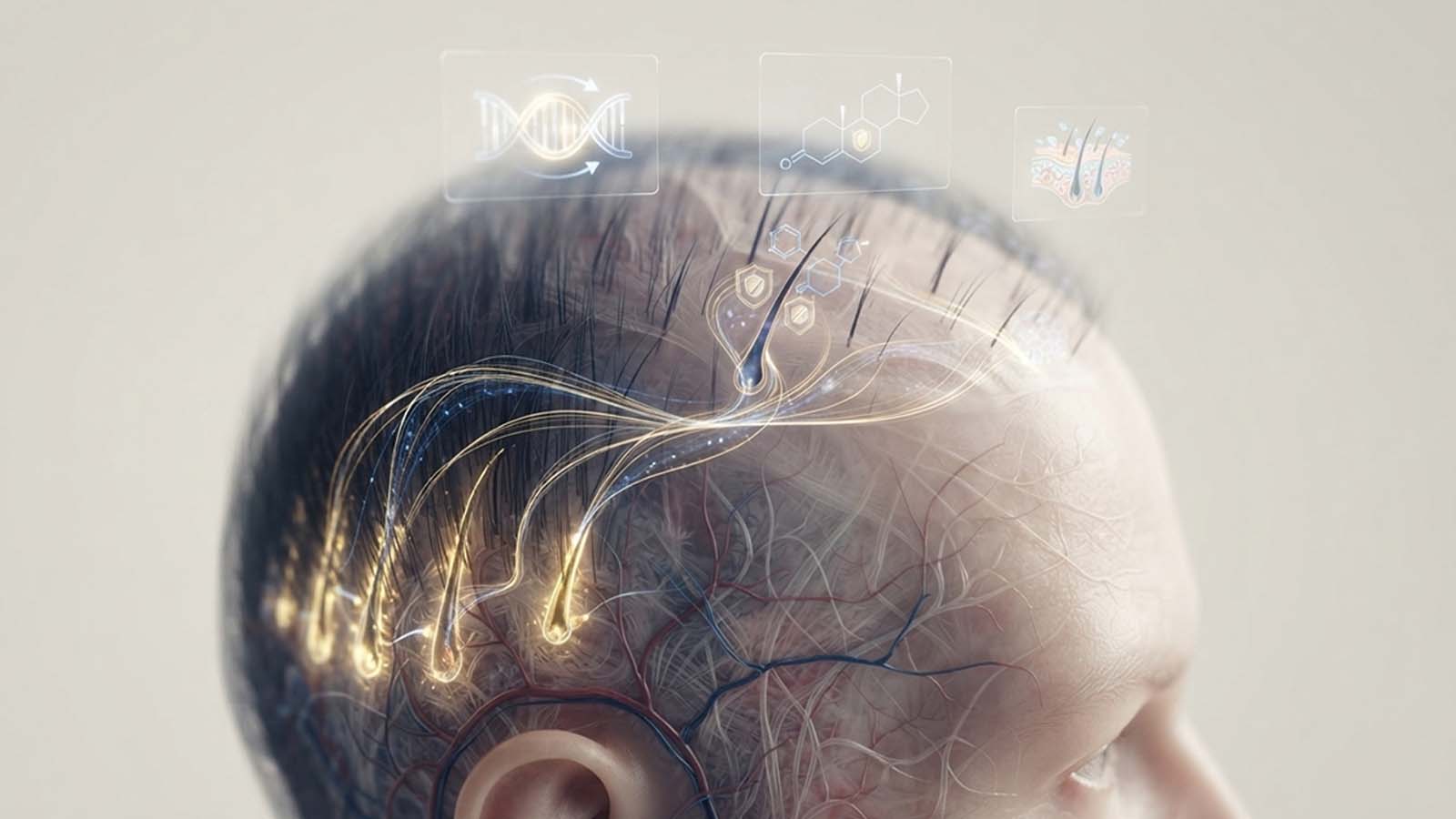
The donor area determines how much hair can safely be transplanted.
A comprehensive donor evaluation includes:
Follicular density
Hair shaft diameter
Hair texture
Hair colour
Hair-to-skin contrast
Scalp elasticity
Long-term donor stability
The objective is not simply to harvest the maximum number of grafts, but to preserve the appearance of the donor region while ensuring adequate graft availability for future needs if hair loss progresses.
How Many Grafts Will I Need?
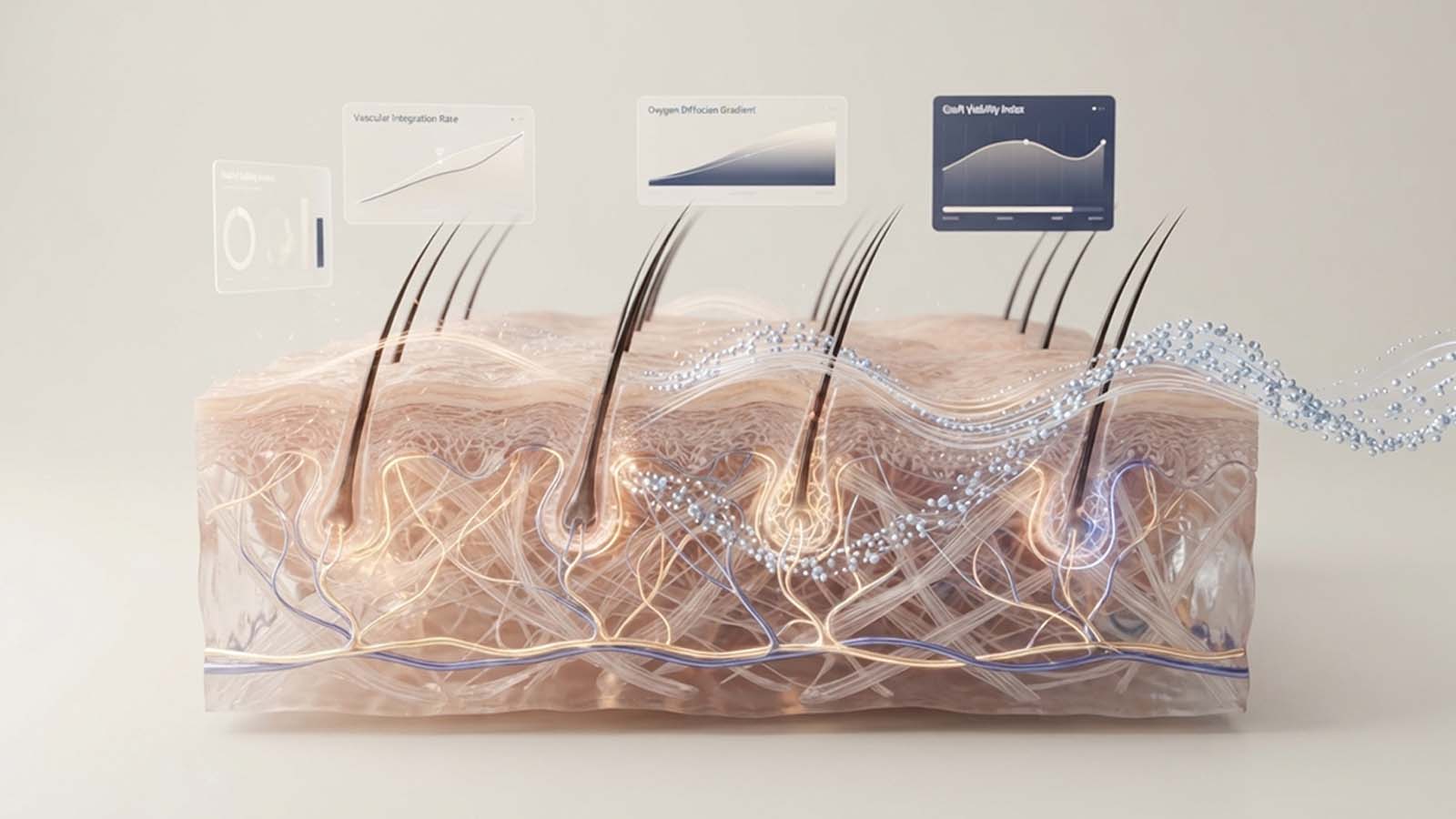
There is no fixed number of grafts suitable for every patient.
The required graft count depends on multiple factors, including:
Extent of hair loss
Recipient area size
Desired density
Hair characteristics
Donor capacity
Long-term treatment planning
A personalised consultation allows the surgeon to estimate an appropriate graft range while preserving donor resources.
What Happens After The Procedure?
Following transplantation, every graft undergoes a predictable healing process.
During the first few weeks:
Recipient sites begin healing.
Small protective scabs develop.
Mild redness gradually improves.
New blood vessels supply the transplanted follicles.
Temporary shedding of transplanted hair may occur.
This shedding is expected and represents a normal part of the hair growth cycle rather than graft failure.
Hair Growth Timeline
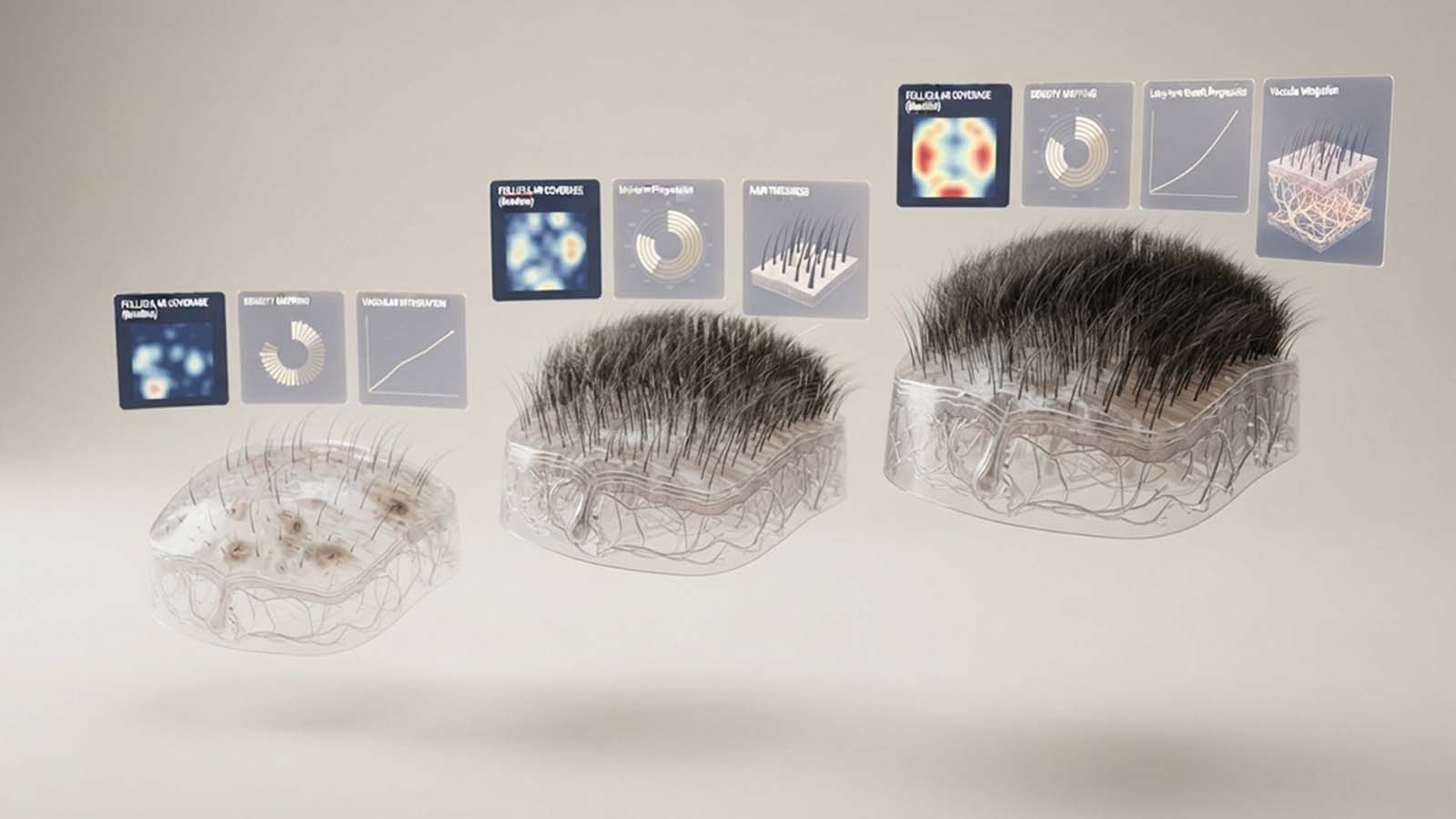
Hair restoration occurs gradually over several months.
Although every patient heals differently, the general timeline includes:
First Few Days
Mild swelling may occur.
Small scabs develop.
Recipient sites begin healing.
First Few Weeks
Temporary shedding of transplanted hair commonly occurs.
Healing continues beneath the scalp.
Three To Four Months
Early new hair growth often becomes noticeable.
Individual hairs may initially appear fine before gradually becoming thicker.
Six To Nine Months
Hair density usually continues improving.
More follicles enter active growth.
Twelve To Eighteen Months
Most patients appreciate the final cosmetic outcome as hair matures in thickness, texture, and overall density.
Recovery After Hair Transplant Surgery
Hair transplantation is generally associated with relatively short recovery times.
Patients commonly receive detailed postoperative instructions covering:
Gentle scalp washing
Sleeping position
Activity restrictions
Sun protection
Medication use
Follow-up appointments
Most individuals resume many routine daily activities within several days, although strenuous exercise may need to be postponed according to the surgeon's advice.
Are Hair Transplant Results Permanent?
The transplanted follicles retain many of the genetic characteristics of the donor area.
As a result, transplanted hair is generally expected to continue growing for many years.
However, it is important to understand that the procedure does not stop ongoing hair loss affecting non-transplanted native hair.
For this reason, some patients may benefit from medical therapy to help preserve existing hair and maintain overall scalp density.
Long-term treatment planning remains an important part of successful hair restoration.
Benefits Of Hair Transplant Surgery
Hair transplantation offers several advantages when performed for appropriately selected candidates.
Potential benefits include:
Natural-looking hair growth
Permanent redistribution of healthy follicles
Improved hairline definition
Increased scalp coverage
Enhanced facial balance
Improved self-confidence
Ability to wash, cut, and style transplanted hair naturally
Long-term aesthetic improvement
Every outcome depends on individual anatomy, donor quality, surgical planning, and ongoing hair care.
Is Hair Transplant Surgery Safe?
Hair transplantation is considered a safe procedure when performed by qualified surgeons using appropriate surgical techniques and patient selection.
As with any surgical procedure, potential risks and temporary side effects exist.
These may include:
Swelling
Mild discomfort
Temporary numbness
Scab formation
Temporary redness
Shock shedding
Infection, although uncommon
Variable graft growth
Careful preoperative assessment and adherence to postoperative instructions help minimise these risks.
Why Choose Hair & Shape For Hair Transplant In Mumbai?
At Hair & Shape Clinic, hair transplantation is approached as a combination of microsurgical precision, facial aesthetics, and long-term planning rather than simply relocating hair follicles. Every procedure is individually customised after evaluating donor density, scalp characteristics, facial proportions, age, and the anticipated progression of future hair loss. This comprehensive approach helps create results that appear natural today while remaining balanced for years to come.
Dr. Umang Kothari combines advanced Follicular Unit Extraction (FUE) techniques with meticulous hairline design, careful graft handling, and strategic donor preservation to maximise both cosmetic outcomes and long-term donor integrity. Equal importance is placed on surgical precision, personalised planning, and comprehensive postoperative care, ensuring patients receive support throughout every stage of their hair restoration journey.
Final Thoughts
Hair transplantation has transformed the management of permanent hair loss by providing a long-term, natural-looking solution using the patient's own healthy hair follicles. Modern techniques focus not only on restoring density but also on creating harmonious hairlines, preserving donor reserves, and planning for the future progression of hair loss. Successful outcomes depend on meticulous surgical technique, thoughtful aesthetic design, and comprehensive postoperative care.
Choosing the right surgeon is as important as choosing the procedure itself. At Hair & Shape Clinic, every treatment plan is built around the patient's unique facial anatomy, donor characteristics, and long-term goals. Through personalised planning, advanced microsurgical techniques, and evidence-based care, the aim is to restore not just hair, but confidence, balance, and a natural appearance that stands the test of time.
What to Expect
Consultation
A detailed assessment of your goals, suitability, and a personalised plan.
Preparation
Clear pre-treatment guidance so you arrive fully prepared and at ease.
The Procedure
Your treatment, performed by our specialists with comfort and safety first.
Aftercare
Structured recovery support and follow-ups to protect your results.
Frequently Asked Questions
Everything you need to know about Hair Transplant. Still curious? Our team is one message away.
Not everyone requires a second procedure. However, because pattern hair loss is progressive, some patients may choose additional treatment years later if native hair continues to thin. A well-planned first hair transplant preserves donor hair and considers future hair loss, reducing the likelihood of needing extensive corrective procedures later.
A hair transplant may be suitable for individuals with stable hair loss, adequate donor hair, and realistic expectations. During your consultation, factors such as your pattern of hair loss, donor area quality, scalp condition, age, medical history, and long-term hair loss progression are carefully assessed to determine whether hair transplantation is the most appropriate treatment.
When performed by an experienced hair restoration surgeon, a hair transplant can produce highly natural-looking results. Natural outcomes depend on careful hairline design, appropriate graft placement, matching hair direction and angle, and planning for future hair loss rather than focusing only on immediate density.
Most patients experience temporary shedding of the transplanted hairs within the first few weeks after surgery, which is a normal part of the healing process. New hair growth usually begins around 3 to 4 months, with noticeable improvements by 6 to 9 months. Final results typically develop between 12 and 18 months, depending on the treatment area, hair characteristics, and individual healing response.
Yes. A hair transplant is considered a permanent solution because the transplanted follicles are typically taken from the donor area at the back and sides of the scalp, where they are genetically resistant to pattern hair loss. However, your existing non-transplanted hair may continue to thin over time, which is why long-term planning and, in some cases, medical therapy are important for maintaining natural-looking results.
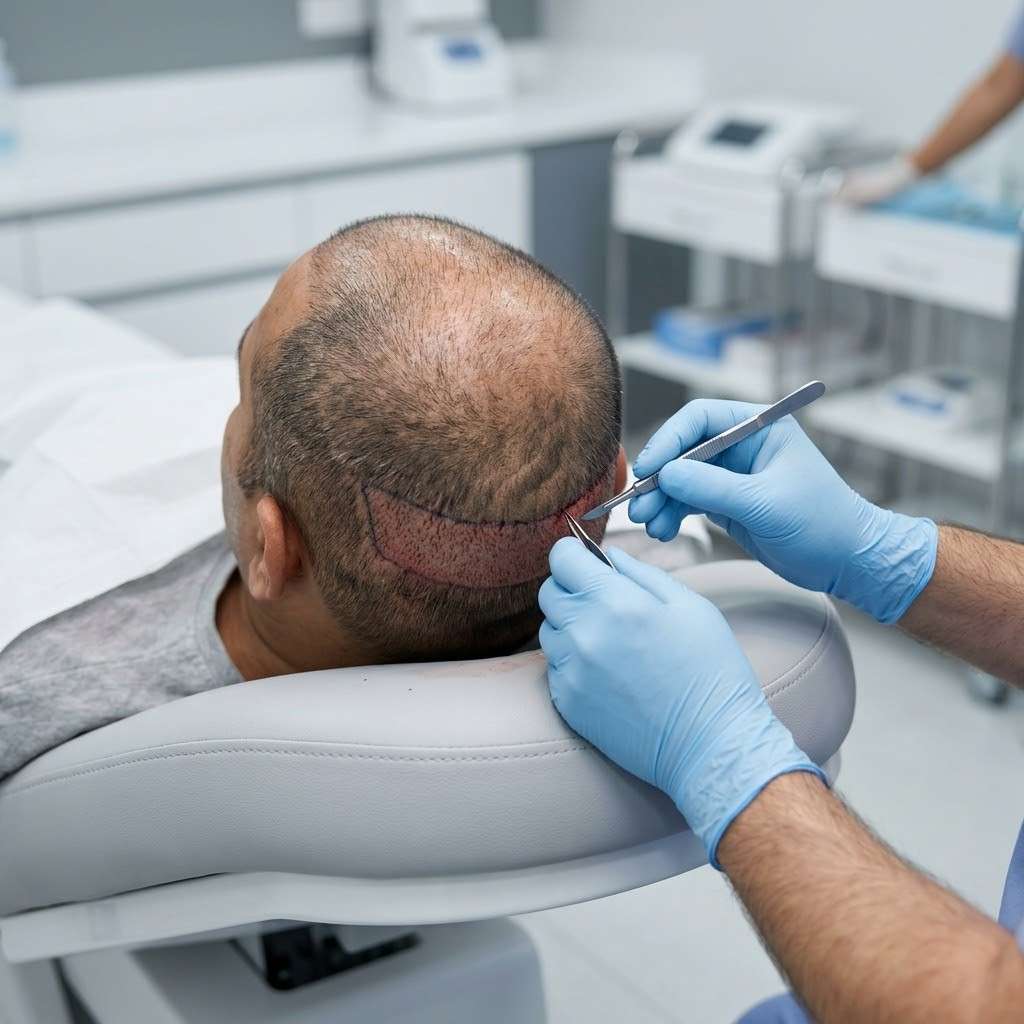

Begin Your Hair Transplant Journey
Book a consultation today and let our specialists craft a plan built entirely around you.