 Gender Reassignment

Otoplasty (Ear Surgery) In Mumbai
Reshape and pin back protruding ears for improved symmetry and proportion.
Otoplasty (Ear Reshaping Surgery) in Mumbai
The ears play an important role in overall facial balance and symmetry. Their size, shape, projection, and position influence how the face is perceived from both the front and side profiles. While ear variations are medically harmless in most cases, prominent, asymmetrical, misshapen, or disproportionately large ears can affect facial harmony and may impact an individual's self-confidence.
Otoplasty, commonly known as Ear Reshaping Surgery or Ear Pinning Surgery, is a cosmetic and reconstructive procedure designed to improve the size, shape, position, or symmetry of the ears. The procedure can reposition ears closer to the head, reshape folded cartilage, correct congenital ear deformities, repair traumatic injuries, or improve the appearance of stretched or irregular earlobes. The goal is not to create perfectly identical ears but to achieve natural-looking symmetry that complements the patient's facial features.
Modern otoplasty is based on preserving the natural contours of the ear rather than simply pinning the ears back. The intricate folds and curves of the ear cartilage are carefully sculpted to maintain a realistic appearance while improving facial proportions. Every ear has unique anatomy, making individualized planning essential for achieving balanced and aesthetically pleasing results.
Successful otoplasty requires a comprehensive understanding of ear anatomy, cartilage behavior, facial symmetry, skin quality, and long-term healing. The surgeon must carefully evaluate both ears independently, as subtle differences in shape, cartilage strength, and position often exist naturally. Personalized planning helps ensure that the corrected ears remain proportional to the patient's head, facial features, and overall appearance.
At Hair & Shape Clinic, every patient undergoes a detailed facial and ear assessment before otoplasty is recommended. Ear size, cartilage structure, projection, symmetry, skin quality, facial proportions, and individual aesthetic goals are carefully evaluated to develop a personalized surgical plan. Our goal is to create natural-looking ears that blend harmoniously with the face while preserving normal ear function and long-term stability.
What Is Otoplasty?
Otoplasty is a cosmetic and reconstructive surgical procedure performed to reshape, reposition, or resize the ears by modifying the underlying cartilage and soft tissues.
The procedure improves the appearance of the ears while maintaining their natural anatomical contours and proportions.
Otoplasty may be performed to:
Correct prominent ears.
Reduce excessive ear projection.
Improve ear symmetry.
Reshape folded ear cartilage.
Correct congenital ear deformities.
Repair traumatic ear injuries.
Improve overall facial harmony.
Depending on the surgical technique, incisions are usually placed behind the ear where scars remain well concealed.
The objective is to achieve balanced, natural-looking ears that complement the patient's facial features rather than drawing attention to themselves.
Why Do Some People Have Prominent or Irregular Ears?
Several anatomical and developmental factors influence ear shape and position.
Genetics
Ear size, cartilage shape, and ear projection are largely inherited and often run in families.
Underdeveloped Antihelical Fold
Many prominent ears result from incomplete development of the antihelical fold, one of the major cartilage folds that naturally keeps the ears closer to the head.
Enlarged Conchal Bowl
An excessively deep conchal bowl may push the ears outward, increasing their prominence.
Cartilage Strength
Some individuals have thicker or stiffer ear cartilage that maintains an outward position.
Congenital Ear Differences
Certain ear shape variations develop before birth and become more noticeable as the child grows.
Trauma
Accidents, injuries, burns, or previous surgery may alter the normal shape of the ear.
Understanding these anatomical causes allows the surgeon to select the most appropriate surgical technique for long-lasting correction.
Understanding Ear Anatomy
Safe and effective otoplasty depends on a detailed understanding of the complex anatomy of the external ear.
Auricle (Pinna)
The auricle is the visible portion of the ear that collects sound and contributes to facial symmetry.
Ear Cartilage
Elastic cartilage forms the structural framework of the ear and determines its shape, flexibility, and projection.
Helix
The helix forms the outer curved rim of the ear.
Antihelix
The antihelix is the inner cartilage fold that provides natural contour and helps position the ear closer to the head.
Conchal Bowl
The conchal bowl is the central hollow portion of the ear leading toward the ear canal.
Its size significantly influences ear projection.
Earlobe
The earlobe contains soft tissue without cartilage and contributes to overall ear proportions.
Skin and Soft Tissue
The skin covering the ear is thin and closely attached to the underlying cartilage, allowing precise surgical reshaping.
A thorough understanding of these structures enables the surgeon to reshape the ear while preserving normal anatomy, blood supply, and long-term cartilage stability.
How Does Otoplasty Improve Ear Shape?
Otoplasty improves ear appearance by reshaping or repositioning the underlying cartilage rather than simply pulling the ears closer to the head.
Depending on the individual's anatomy, the surgeon may create new cartilage folds, reduce excessive cartilage prominence, reposition the conchal bowl, or combine multiple techniques to achieve balanced results.
Benefits of otoplasty include:
Improved Ear Position
The ears sit closer to the head in a natural position.
Better Facial Symmetry
Balanced ears enhance overall facial proportions.
Natural Ear Contours
The normal folds and curves of the ear are preserved or recreated.
Increased Self-Confidence
Many patients feel more comfortable with their appearance following correction.
Long-Lasting Results
Once the cartilage heals in its new position, results are generally stable and long-lasting.
The goal is to improve ear aesthetics while maintaining natural anatomy and preserving normal ear function.
Who Is a Good Candidate for Otoplasty?
Otoplasty may be appropriate for children and adults who wish to improve the appearance of prominent or irregular ears.
You may be a suitable candidate if you:
Have prominent ears.
Have ear asymmetry.
Have congenital ear shape differences.
Have experienced ear trauma.
Are physically healthy.
Have realistic expectations.
Wish to improve facial balance and ear appearance.
A comprehensive consultation helps determine the most appropriate surgical approach based on your ear anatomy and aesthetic goals.
What Can Otoplasty Improve?
Otoplasty is designed to improve ear appearance and facial harmony.
It may improve:
Prominent Ears
Reduces excessive ear projection from the side of the head.
Ear Asymmetry
Improves balance between both ears.
Irregular Ear Shape
Corrects abnormal cartilage folds and contours.
Congenital Ear Differences
Improves the appearance of ears that developed differently before birth.
Traumatic Ear Deformities
Restores ear shape following injury or previous surgery.
Overall Facial Balance
Creates ears that are proportional to the face and head.
Personalized Otoplasty Planning
No two ears are exactly alike, even on the same individual. Differences in cartilage thickness, ear projection, natural folds, skin quality, facial proportions, and healing characteristics all influence the surgical plan. Successful otoplasty requires more than simply repositioning the ears—it involves recreating natural contours that look balanced from every angle while preserving long-term stability.
At Hair & Shape Clinic, every patient undergoes a comprehensive ear and facial evaluation before otoplasty is recommended. Cartilage anatomy, ear symmetry, skin quality, facial proportions, head shape, and individual aesthetic goals are carefully assessed to develop a personalized surgical plan. Our approach focuses on anatomical precision, natural-looking results, and long-term facial harmony.
What Happens During Otoplasty Surgery?
Otoplasty is usually performed as an outpatient procedure under sterile conditions. Depending on the complexity of the correction and the age of the patient, the surgery typically takes 1 to 2 hours.
Every procedure is tailored according to the patient's ear anatomy, cartilage strength, facial proportions, and desired aesthetic outcome.
A typical otoplasty procedure includes the following stages.
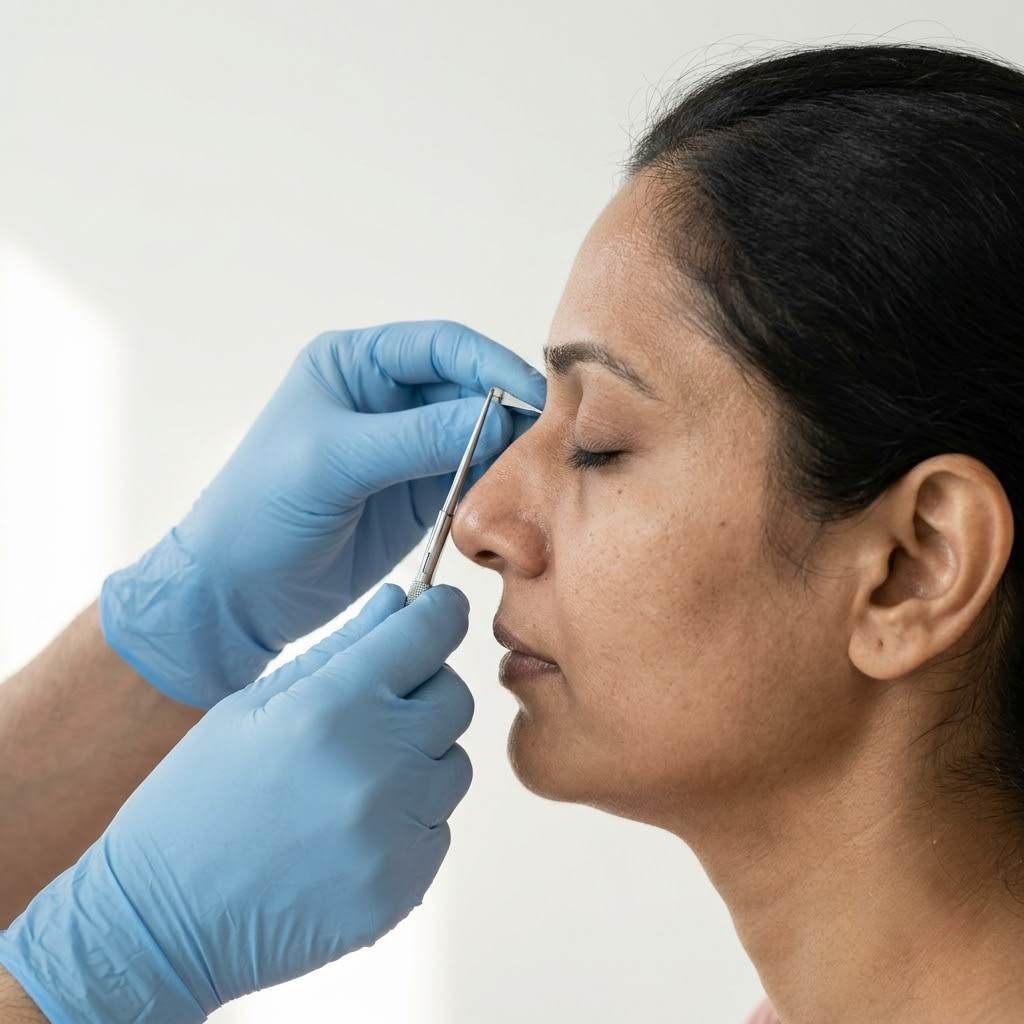
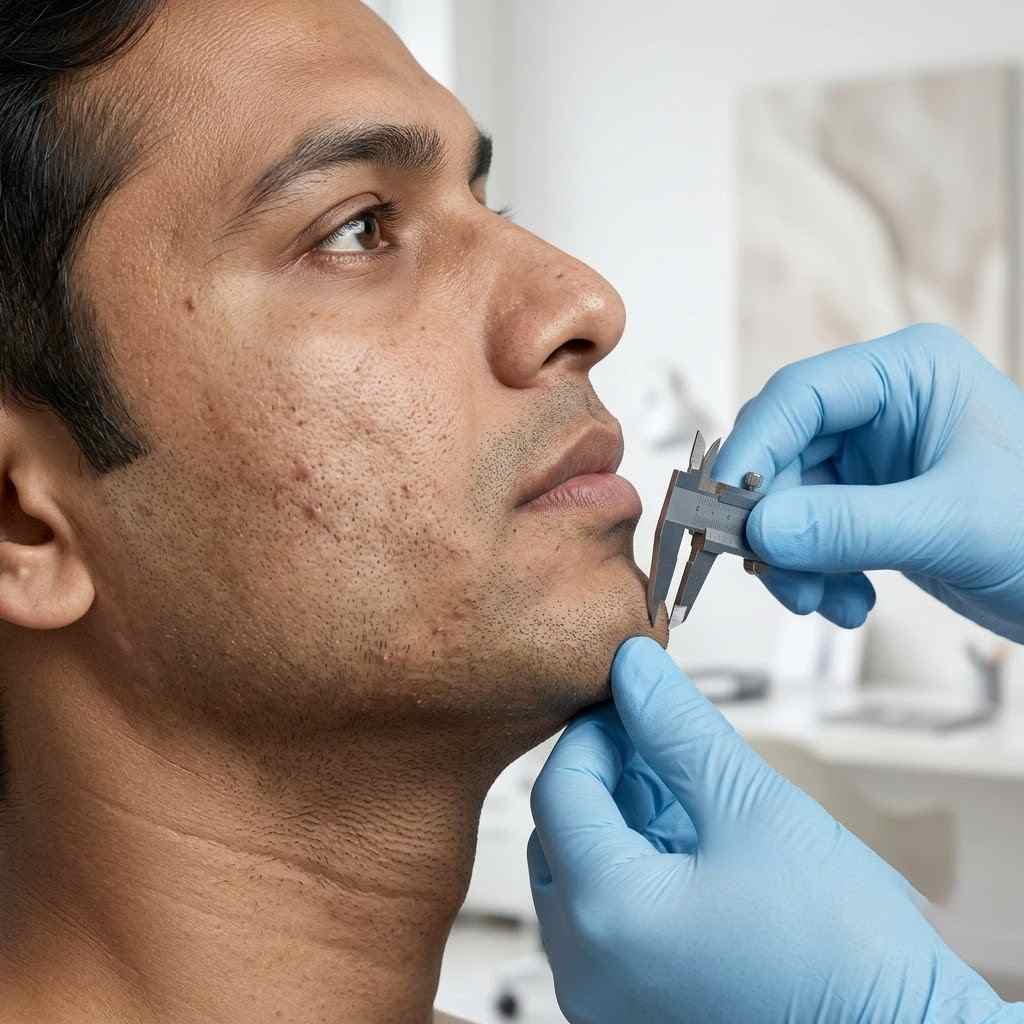
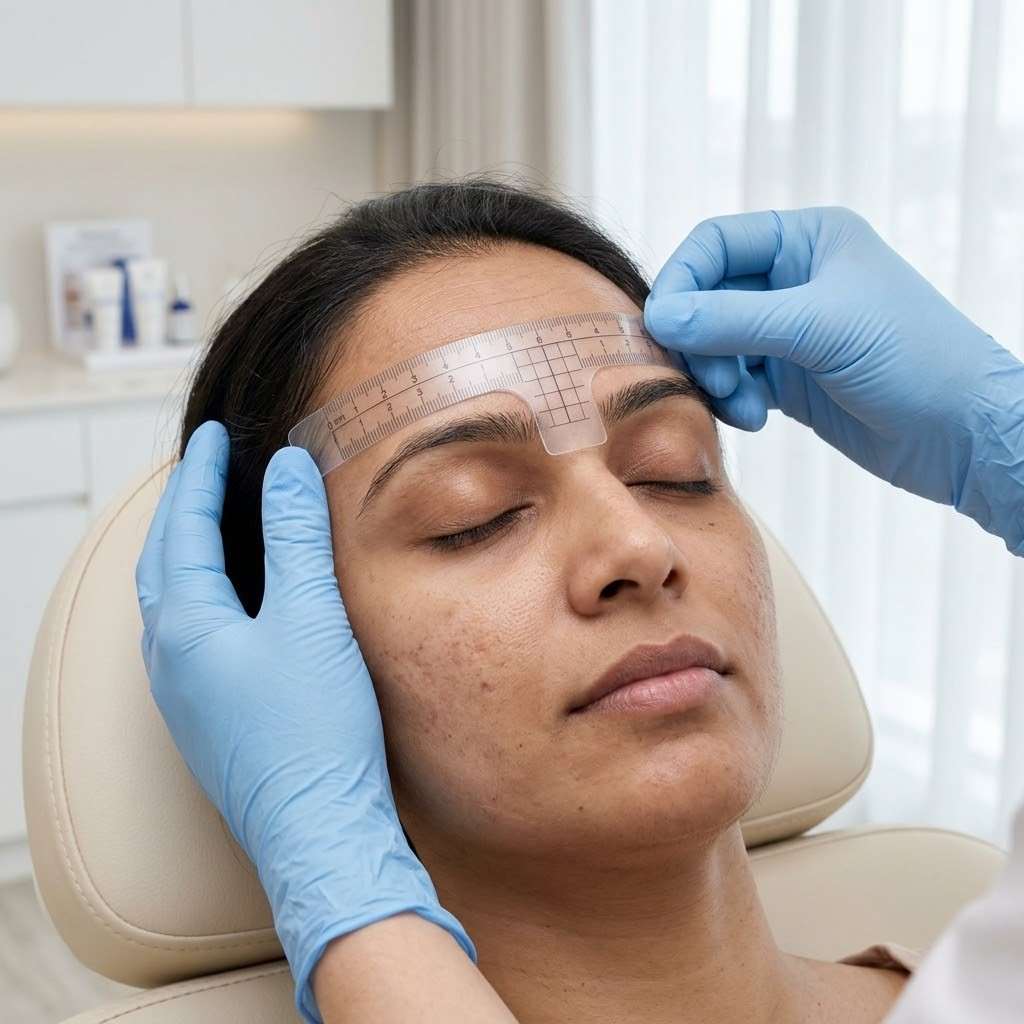
Step 1: Preoperative Assessment and Surgical Marking
Before surgery, the surgeon carefully evaluates:
Ear projection.
Cartilage folds.
Ear symmetry.
Conchal bowl size.
Helix and antihelix anatomy.
Earlobe position.
Facial proportions.
Head shape.
Precise markings are made to guide cartilage reshaping and ensure natural postoperative symmetry.
Step 2: Anaesthesia
Adults commonly undergo otoplasty under local anaesthesia with mild sedation.
Young children may undergo the procedure under general anaesthesia to ensure comfort and safety.
Step 3: Hidden Incision
A carefully planned incision is usually made behind the ear within the natural crease.
This location keeps the resulting scar well concealed after healing.
Step 4: Cartilage Reshaping
Depending on the underlying anatomical cause, the surgeon may:
Create or strengthen the antihelical fold.
Reduce the size of the conchal bowl.
Reposition the ear closer to the head.
Remove small amounts of cartilage when necessary.
Place permanent internal sutures to maintain the new ear position.
The cartilage is reshaped conservatively to preserve the ear's natural curves and contours.
Step 5: Closure
The incision is closed using fine sutures.
A protective dressing or head bandage is then applied to support the ears during early healing.
Step 6: Recovery
Patients are monitored briefly before returning home with detailed instructions regarding wound care, sleeping position, activity restrictions, and follow-up visits.
Types of Otoplasty Procedures
The surgical technique depends on the specific ear anatomy and the aesthetic concerns being addressed.
Ear Pinning Surgery
Performed to reposition prominent ears closer to the sides of the head.
Ear Reshaping Surgery
Cartilage is sculpted to improve natural ear contours while maintaining normal anatomy.
Conchal Reduction
Reduces the prominence of an enlarged conchal bowl that pushes the ears outward.
Congenital Ear Deformity Correction
Corrects ear abnormalities present from birth to improve appearance and symmetry.
Revision Otoplasty
Performed to improve or correct the results of previous ear surgery.
Earlobe Reshaping
May be combined with otoplasty to correct stretched, elongated, asymmetrical, or damaged earlobes.
What Results Can You Expect?
The results of otoplasty become increasingly refined as swelling resolves and the tissues heal.
Improved Ear Position
The ears sit closer to the head in a balanced, natural position.
Better Facial Symmetry
Improved ear alignment enhances overall facial proportions.
Natural Ear Contours
The ear retains its normal folds and curves without appearing overly flat.
Long-Lasting Results
Once the cartilage heals in its new position, the correction is generally permanent.
Enhanced Confidence
Many patients experience greater confidence wearing short hairstyles, tying their hair back, or participating in social activities.
Final results continue to improve over three to six months as swelling completely resolves and the cartilage stabilizes.
What Is Recovery Like After Otoplasty?
Recovery is generally well tolerated, although the ears require protection while healing.
Immediately After Surgery
Patients may experience:
Mild swelling.
Bruising.
Ear tenderness.
Temporary tightness.
Mild discomfort.
These symptoms usually improve over the first several days.
During the First Week
The initial surgical dressing is usually replaced with a lighter protective headband.
Patients should avoid sleeping directly on the ears and refrain from bending or folding the ears.
Most adults return to work within five to seven days, while children may return to school after the surgeon confirms appropriate healing.
Over the Following Weeks
Swelling continues to decrease.
The ears gradually settle into their new position and appear increasingly natural.
Protective headbands may be recommended during sleep for several weeks to support healing.
Long-Term Healing
Internal cartilage healing continues over several months, resulting in stable, long-lasting ear shape and position.
Are There Any Risks or Limitations?
Otoplasty is generally considered safe when performed by an experienced plastic surgeon.
However, like all surgical procedures, it carries potential risks.
Possible complications include:
Swelling.
Bruising.
Bleeding.
Infection.
Temporary numbness.
Minor asymmetry.
Suture-related complications.
Cartilage irregularities.
Recurrence of ear prominence.
Need for revision surgery.
It is also important to understand the limitations of surgery.
Although significant improvement in ear shape and position can usually be achieved, perfectly identical ears are neither natural nor surgically realistic. The goal is improved symmetry, facial balance, and natural appearance rather than absolute perfection.
How Much Does Otoplasty Cost in Mumbai?
The cost of otoplasty depends on the complexity of the correction, whether one or both ears are treated, anaesthesia, surgical planning, and postoperative care.
Factors influencing treatment cost include:
Type of ear correction.
Cartilage complexity.
Unilateral or bilateral surgery.
Anaesthesia.
Operating facility charges.
Medications.
Follow-up care.
Following your consultation, your surgeon will recommend a personalized treatment plan and explain the anticipated costs before surgery.
Why Choose Hair & Shape for Otoplasty?
Successful otoplasty requires precision, artistic judgment, and a thorough understanding of ear anatomy. Every ear has unique cartilage characteristics, natural folds, and proportions that must be carefully preserved while improving shape and position. The objective is to create ears that appear naturally balanced rather than obviously operated upon.
At Hair & Shape Clinic, every patient undergoes a comprehensive ear and facial assessment before surgery. Cartilage structure, ear projection, facial symmetry, skin quality, head shape, and individual aesthetic goals are carefully evaluated to develop a personalized surgical plan. Our approach emphasizes anatomical precision, natural contours, and long-term stability to achieve results that complement your facial features.
Why Does Personalized Otoplasty Planning Matter?
Every patient's ear anatomy is different, making individualized planning essential for achieving natural, long-lasting outcomes.
Cartilage Strength Varies
Thicker or firmer cartilage may require different reshaping techniques than softer cartilage.
Ear Projection Is Unique
The degree of prominence determines the amount of repositioning required.
Facial Proportions Must Be Considered
The ears should complement the size and shape of the head and face rather than conform to a universal standard.
Natural Asymmetry Is Preserved
Minor natural differences between the ears are carefully considered to create realistic-looking results.
Long-Term Stability Depends on Technique
Appropriate cartilage reshaping and secure internal sutures help maintain the corrected ear position for years.
International Patients Seeking Otoplasty in Mumbai
Hair & Shape Clinic welcomes patients from across India and around the world seeking advanced cosmetic and reconstructive ear surgery.
Our international patient pathway is designed to provide personalized care throughout every stage of treatment.
Before You Travel
Virtual consultations, clinical photographs, medical history review, and discussion of your concerns help determine whether otoplasty is appropriate before your visit.
During Your Stay
Your treatment includes a comprehensive ear evaluation, personalized surgical planning, otoplasty, postoperative monitoring, dressing changes, and detailed recovery guidance before you return home.
Returning Home
Follow-up consultations can often be conducted remotely. Continued guidance regarding wound care, headband use, sleeping position, activity progression, and long-term healing helps support a smooth recovery and natural-looking, lasting results wherever you live.
What to Expect
Consultation
A detailed assessment of your goals, suitability, and a personalised plan.
Preparation
Clear pre-treatment guidance so you arrive fully prepared and at ease.
The Procedure
Your treatment, performed by our specialists with comfort and safety first.
Aftercare
Structured recovery support and follow-ups to protect your results.

Begin Your Otoplasty (Ear Surgery) Journey
Book a consultation today and let our specialists craft a plan built entirely around you.